




1. Lemon Grass Facts
2. Types of Lemon Grass
3. Lemon Grass Nutritional Value
4. Lemon Grass Health Benefits
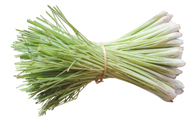
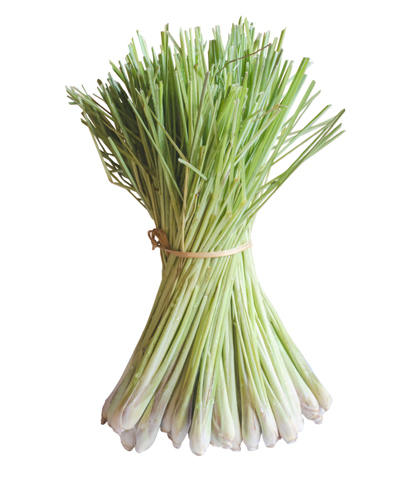
Lemongrass is an aromatic, clump-forming perennial grass (genus Cymbopogon) prized for its strong lemon scent and flavour, used extensively in Asian cuisines (soups, curries) for its zesty taste and also for teas and traditional medicines for digestion and inflammation.
It grows tall and grassy, thrives in warm climates, and while its leaves are sharp, the tender base and leaves add a distinctive citrus note to many dishes and drinks, making it both a culinary herb and an ornamental plant.
History and Origin
Lemongrass originated in Southeast Asia, likely Malaysia and South India, cultivated for millennia in traditional cuisines and medicine (Thai, Vietnamese, Indian) for its citrusy flavour and anti-inflammatory properties, spreading globally via trade routes (like camel caravans) and commercial farming, becoming a staple in tropical regions for culinary, medicinal, and aromatic uses.
- • Cymbopogon citratus (West Indian Lemongrass)
- • Cymbopogon flexuosus (East Indian Lemongrass)
- • Cymbopogon ambiguus (Australian Lemongrass)
Lemongrass belongs to the genus Cymbopogon, with the two main culinary species being West Indian Lemongrass (Cymbopogon citratus) and East Indian Lemongrass (Cymbopogon flexuosus), while Australia has its own native variety, Cymbopogon ambiguus, also called Native Lemongrass, used ornamentally and traditionally.
These fragrant grasses offer lemon-like scents and are popular in cooking, teas, and as ornamentals, thriving in warm climates with plenty of sun.
Key Species
- Cymbopogon citratus (West Indian Lemongrass): The most common culinary lemongrass, native to Southeast Asia, with a strong lemon scent, used extensively in cooking.
- Cymbopogon flexuosus (East Indian Lemongrass): Also known as Cochin or Malabar grass, native to India and Southeast Asia, used in cooking and traditional medicine, though C. citratus is often preferred for culinary uses.
- Cymbopogon ambiguus (Australian Native Lemongrass): A native Australian species with fragrant, bluish-green leaves, used as an ornamental grass and for its scent, requiring full sun and well-drained soil.
General Characteristics
- Family: Poaceae (Grass Family).
- Uses: Culinary herb, medicinal herb, ornamental plant, for essential oils (like citronella).
- Growing Conditions: Loves warmth, sun, and well-drained soil; sensitive to frost.
- Appearance: Tall, with long, narrow leaves and sometimes fluffy seed heads, depending on the species.
Herbs ” Lemon Grass ” ( Nutritional value )
Nutritional Value per 4.8 g – 1 Tablespoon
Lemon grass (citronella), raw
|
Nutrient ( Proximate’s )
|
Unit
|
Value
|
Daily Value %
|
|
Energy
|
kcal
|
5
|
0.2%
|
|
Protein
|
g
|
0.09
|
0.1%
|
|
Total lipid (fat)
|
g
|
0.02
|
.002%
|
|
Carbohydrate, by difference
|
g
|
1.21
|
0.4%
|
|
Minerals
|
|||
|
Calcium, Ca
|
mg
|
3
|
0.2%
|
|
Iron, Fe
|
mg
|
0.39
|
2.1%
|
|
Magnesium, Mg
|
mg
|
3
|
0.7%
|
|
Phosphorus, P
|
mg
|
5
|
0.4%
|
|
Potassium, K
|
mg
|
35
|
0.7%
|
|
Sodium, Na
|
mg
|
0
|
|
|
Zinc, Zn
|
mg
|
0.11
|
1%
|
|
Copper, Cu
|
mg
|
0.013
|
1.4%
|
|
Manganese, Mn
|
mg
|
0.251
|
10.9%
|
|
Selenium, Se
|
mcg
|
0.0
|
|
|
Vitamins
|
|||
|
Vitamin C, total ascorbic acid
|
mg
|
0.1
|
0.1%
|
|
Thiamin (B-1)
|
mg
|
0.003
|
0.2%
|
|
Riboflavin (B-2)
|
mg
|
0.006
|
0.4%
|
|
Niacin (B-3)
|
mg
|
0.053
|
0.3%
|
|
Pantothenic acid (B-5)
|
mg
|
0.002
|
.004%
|
|
Vitamin (B-6)
|
mg
|
0.004
|
.008%
|
|
Folate DFE (dietary folate) (B-9)
|
mcg
|
4
|
1%
|
|
Vitamin (B-12)
|
mcg
|
0.00
|
|
|
Vitamin A, RAE (retinol)
|
mcg
|
0
|
|
|
Vitamin D (D2 + D3)
|
mcg
|
0
|
|
|
Lipids
|
|||
|
Saturated Fatty Acids
|
g
|
0.006
|
0.03 %
|
|
Monounsaturated Fatty Acids
|
g
|
0.003
|
|
|
Polyunsaturated Fatty Acids
|
g
|
0.008
|
|
|
Trans Fatty Acids
|
g
|
0.000
|
|
|
Cholesterol
|
mg
|
0
|
|
|
Carotenoids
|
|||
|
Beta-Carotene
|
mcg
|
0
|
|
|
Alpha-Carotene
|
mcg
|
0
|
|
|
Beta-Cryptoxanthin
|
mcg
|
0
|
|

Reference Values are based on a 2,000 Calorie Intake, for Adults and Children 4 or More Years of Age. Your daily values may be higher or lower depending on your calorie needs.
Percentages are roughly approximated using (RDA) Recommended Dietary Allowances for adults. Source: Nutrient Database – USDA (United States Department of Agriculture).
Reference Values for Nutrition – FDA U.S. Food and Drug Administration.
Lemon Grass Nutritional Value
Lemongrass offers benefits like powerful antioxidants, antimicrobial/anti-inflammatory effects, and digestive relief, helping fight illness, reduce pain (muscle/headaches), soothe stomach issues (bloating, cramps), and support heart/metabolic health by potentially lowering cholesterol, blood sugar, and blood pressure.
Lemongrass is used in teas and aromatherapy for relaxation, stress reduction, and mental clarity, boasting antibacterial properties against various microbes and fungi.
RICH IN ANTIOXIDANTS
Lemongrass is indeed rich in antioxidants, particularly flavonoids and phenolic compounds like chlorogenic acid, which help neutralize harmful free radicals, reduce inflammation, support the immune system, and may protect against cell damage, making it beneficial in teas and culinary uses. Its main active components, citral and geraniol, also contribute to these antioxidant and antimicrobial effects, fighting bacteria and promoting overall health.ANTIMICROBIAL AND ANTIFUNGAL
Lemongrass is a potent natural antimicrobial and antifungal agent, primarily due to its high content of citral, which disrupts microbial cell membranes, inhibits growth, and kills bacteria (like Staph aureus, E. coli) and fungi (like Candida albicans, ringworm fungi), making it useful for food preservation and as a natural antiseptic. Its compounds cause cellular damage, leakage, and structural changes in microbes, providing broad-spectrum protection.STRESS AND MOOD BOOSTER
Lemongrass is widely recognized for its stress-relieving and mood-boosting properties, with its bright, citrusy scent helping to promote relaxation and mental clarity. Its effects are primarily utilized through aromatherapy and traditional remedies like teas, although most scientific studies focus on the essential oil.IMMUNE SUPPORT
Lemongrass supports the immune system primarily through its rich antioxidants (like chlorogenic acid, isoorientin) that fight free radicals, antimicrobial compounds (like citral, geraniol) that combat bacteria/fungi, and anti-inflammatory properties that calm overreactions, with traditional use noting benefits for colds, coughs, and infections, though more human clinical trials are needed to fully establish its efficacy.
METABOLIC SUPPORT
Lemongrass may support metabolic health through several mechanisms, including potentially boosting metabolism, aiding in weight management, helping to regulate blood sugar, and improving lipid profiles.HEART HEALTH
Lemongrass supports heart health by potentially lowering blood pressure and cholesterol, reducing inflammation, and improving circulation, thanks to compounds like citral that relax blood vessels, and antioxidants like quercetin that fight oxidative stress. It acts as a mild diuretic and has anti-hypertensive effects, but more human studies are needed, and those on blood pressure/sugar meds should consult a doctor due to potential interactions.ANTI-INFLAMMATORY AND PAIN RELIEF
Lemongrass offers natural anti-inflammatory and pain relief due to compounds like citral, helping soothe muscle aches, headaches, and joint pain, similar to aspirin in some studies, often used topically in diluted oil for massage or in tea for internal benefit, but always patch test and consult a doctor before medicinal use. Its properties come from antioxidants and flavonoids, reducing inflammation markers in the body, supporting recovery, and easing stiffness.DIGESTIVE AID
Lemongrass is a traditional digestive aid, used in teas and remedies to soothe stomach issues like indigestion, bloating, gas, and cramps by stimulating digestive enzymes and promoting gut health with its antimicrobial/ antioxidant properties, though more human research is needed to fully confirm these benefits. It's often consumed as a warm tea, especially after meals, but people with certain conditions or who are pregnant should consult a doctor.
References
Nutrient Database – USDA (United States Department of Agriculture)
Reference Values for Nutrition – FDA U.S. Food and Drug Administration
Rich in antioxidants - Lemongrass is indeed rich in antioxidants, particularly flavonoids and phenolic compounds like chlorogenic acid, which help neutralize harmful free radicals, reduce inflammation, support the immune system, and may protect against cell damage, making it beneficial in teas and culinary uses. Its main active components, citral and geraniol, also contribute to these antioxidant and antimicrobial effects, fighting bacteria and promoting overall health.
Antimicrobial and antifungal - Lemongrass is a potent natural antimicrobial and antifungal agent, primarily due to its high content of citral, which disrupts microbial cell membranes, inhibits growth, and kills bacteria (like Staph aureus, E. coli) and fungi (like Candida albicans, ringworm fungi), making it useful for food preservation and as a natural antiseptic. Its compounds cause cellular damage, leakage, and structural changes in microbes, providing broad-spectrum protection.
Anti-inflammatory and pain relief - Lemongrass offers natural anti-inflammatory and pain relief due to compounds like citral, helping soothe muscle aches, headaches, and joint pain, similar to aspirin in some studies, often used topically in diluted oil for massage or in tea for internal benefit, but always patch test and consult a doctor before medicinal use. Its properties come from antioxidants and flavonoids, reducing inflammation markers in the body, supporting recovery, and easing stiffness.
Digestive aid - Lemongrass is a traditional digestive aid, used in teas and remedies to soothe stomach issues like indigestion, bloating, gas, and cramps by stimulating digestive enzymes and promoting gut health with its antimicrobial/ antioxidant properties, though more human research is needed to fully confirm these benefits. It's often consumed as a warm tea, especially after meals, but people with certain conditions or who are pregnant should consult a doctor.
Stress and mood booster - Lemongrass is widely recognized for its stress-relieving and mood-boosting properties, with its bright, citrusy scent helping to promote relaxation and mental clarity. Its effects are primarily utilized through aromatherapy and traditional remedies like teas, although most scientific studies focus on the essential oil.
Heart health - Lemongrass supports heart health by potentially lowering blood pressure and cholesterol, reducing inflammation, and improving circulation, thanks to compounds like citral that relax blood vessels, and antioxidants like quercetin that fight oxidative stress. It acts as a mild diuretic and has anti-hypertensive effects, but more human studies are needed, and those on blood pressure/sugar meds should consult a doctor due to potential interactions.
Metabolic support - Lemongrass may support metabolic health through several mechanisms, including potentially boosting metabolism, aiding in weight management, helping to regulate blood sugar, and improving lipid profiles.
Immune support - Lemongrass supports the immune system primarily through its rich antioxidants (like chlorogenic acid, isoorientin) that fight free radicals, antimicrobial compounds (like citral, geraniol) that combat bacteria/fungi, and anti-inflammatory properties that calm overreactions, with traditional use noting benefits for colds, coughs, and infections, though more human clinical trials are needed to fully establish its efficacy.