




1. Marjoram Facts
2. Types of Marjoram
3. Marjoram Nutritional Value
4. Marjoram Health Benefits
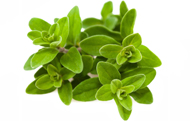
Marjoram (Origanum majorana) is a fragrant, perennial herb from the mint family, closely related to oregano but milder, with sweet, piney, citrusy, and slightly bitter notes, used to flavour Mediterranean dishes, teas, and medicines, and known by names like sweet marjoram or knotted marjoram.
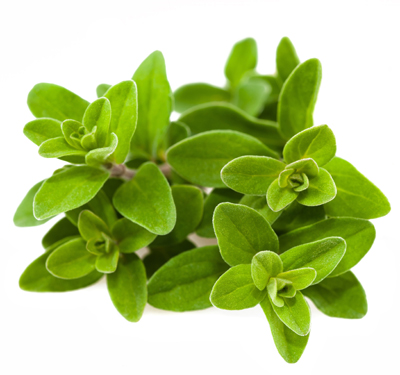
Marjoram (Origanum majorana), often called sweet marjoram, is a popular culinary and medicinal herb in the mint family, recognized for its soft, fuzzy, gray-green leaves. It is celebrated for its mild, sweet, and slightly woody flavor—distinct from its cousin, oregano—and is used both fresh and dried in a wide variety of Mediterranean and European dishes.
History and Origin
Marjoram (Origanum majorana), native to the Mediterranean region, Turkey, and Western Asia, has a long history of use that predates its widespread adoption in northern and central Europe. While utilized in antiquity, it spread and became a popular culinary and medicinal herb across Europe during the Middle Ages.
Marjoram was highly regarded in ancient Egyptian, Greek, and Roman cultures as a symbol of love and happiness, often used for culinary and medicinal purposes in these warm, dry climates.
- • Sweet Marjoram
- • Pot Marjoram
- • Wild Marjoram
- • Greek Marjoram/Oregano
- • Golden Marjoram:
- • Variegated Marjoram
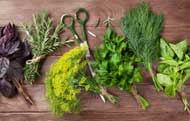
Marjoram primarily comes in three types: Sweet Marjoram (Origanum majorana), known for its mild, sweet, citrusy flavour, ideal for general cooking; Pot Marjoram (Origanum onites), slightly stronger and more pungent; and Wild Marjoram (Origanum vulgare), also called Oregano, which is heartier with a spicier, piney taste, with Greek Oregano being a popular aromatic variety.
Many cultivars exist, often hybrids, offering different flavour profiles from sweet to spicy, but Sweet and Wild (Oregano) are the main categories.
Key Types of Marjoram
- Sweet Marjoram (Origanum majorana): The most common culinary marjoram, it's milder, sweeter, and has delicate leaves, often with hints of citrus.
- Pot Marjoram (Origanum onites): A slightly more robust variety, originating from the Mediterranean, with a flavour stronger than sweet marjoram but milder than oregano.
- Wild Marjoram (Origanum vulgare): This is essentially oregano, a hardier plant with a spicier, more pungent flavour, often used in Mediterranean and Italian dishes.
Common Varieties and Cultivars
- Greek Marjoram/Oregano (Origanum heracleoticum/vulgare subsp. hirtum): Known for its piney and citrus notes, popular in Greek cuisine.
- Golden Marjoram: A variety with golden-tinged leaves.
- Variegated Marjoram: Features decorative, colourful foliage.
Distinguishing Features
- Flavour: Sweet marjoram is mild and sweet; oregano (wild marjoram) is spicy and pungent; pot marjoram is in between.
- Hardiness: Oregano (wild) is more cold hardy, while Sweet Marjoram prefers warmer climates.
Herbs ” Marjoram ” ( Nutritional value )
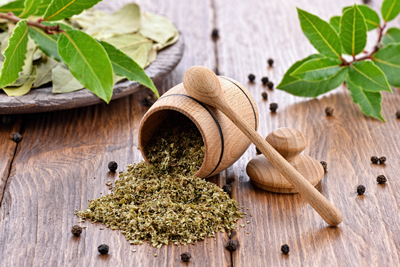
Nutritional Value per 0.6 g – 1 Teaspoon
Marjoram, dried
|
Nutrient ( Proximate’s )
|
Unit
|
Value
|
Daily Value %
|
|
Energy
|
kcal
|
1.63
|
0.08%
|
|
Protein
|
g
|
0.076
|
0.1%
|
|
Total lipid (fat)
|
g
|
0.042
|
.005%
|
|
Carbohydrate, by difference
|
g
|
0.364
|
0.1%
|
|
Fiber, total dietary
|
g
|
0.242
|
0.8%
|
|
Total Sugars
|
g
|
0.02
|
|
|
Minerals
|
|||
|
Calcium, Ca
|
mg
|
11.9
|
0.9%
|
|
Iron, Fe
|
mg
|
0.496
|
2.7%
|
|
Magnesium, Mg
|
mg
|
2.08
|
0.4%
|
|
Phosphorus, P
|
mg
|
1.84
|
0.1%
|
|
Potassium, K
|
mg
|
9.12
|
0.1%
|
|
Sodium, Na
|
mg
|
0
|
|
|
Zinc, Zn
|
mg
|
0.022
|
0.2%
|
|
Copper, Cu
|
mg
|
0.007
|
0.7%
|
|
Manganese, Mn
|
mg
|
0.033
|
1.4%
|
|
Selenium, Se
|
mcg
|
0.0
|
|
|
Vitamins
|
|||
|
Vitamin C, total ascorbic acid
|
mg
|
0.308
|
0.3%
|
|
Thiamin (B-1)
|
mg
|
0.002
|
0.1%
|
|
Riboflavin (B-2)
|
mg
|
0.002
|
0.1%
|
|
Niacin (B-3)
|
mg
|
0.025
|
0.1%
|
|
Vitamin (B-6)
|
mg
|
0.007
|
0.4%
|
|
Folate DFE (dietary folate) (B-9)
|
mcg
|
1.64
|
0.4%
|
|
Vitamin (B-12)
|
mcg
|
0.00
|
|
|
Vitamin A, RAE (retinol)
|
mcg
|
||
|
Vitamin E (alpha-tocopherol)
|
mg
|
0.01
|
0.06%
|
|
Vitamin D (D2 + D3)
|
mcg
|
0
|
|
|
Vitamin K (phylloquinone)
|
mcg
|
3.73
|
3.1%
|
|
Lipids
|
|||
|
Saturated Fatty Acids
|
g
|
0.003
|
0.01%
|
|
Monounsaturated Fatty Acids
|
g
|
0.006
|
|
|
Polyunsaturated Fatty Acids
|
g
|
0.026
|
|
|
Trans Fatty Acids
|
g
|
0.000
|
|
|
Cholesterol
|
mg
|
0
|
|
|
Carotenoids
|
|||
|
Beta-Carotene
|
mcg
|
28.9
|
|
|
Alpha-Carotene
|
mcg
|
0
|
|
|
Beta-Cryptoxanthin
|
mcg
|
0
|
|
|
Lutein + Zeaxanthin
|
mcg
|
11.4
|
|
Reference Values are based on a 2,000 Calorie Intake, for Adults and Children 4 or More Years of Age. Your daily values may be higher or lower depending on your calorie needs.
Percentages are roughly approximated using (RDA) Recommended Dietary Allowances for adults. Source: Nutrient Database – USDA (United States Department of Agriculture).
Reference Values for Nutrition – FDA U.S. Food and Drug Administration.
Marjoram Nutritional Value
Marjoram offers benefits like digestion support, reducing cramps, bloating, and stimulating appetite, plus hormonal balance, easing menstrual issues (PCOS, cramps).
Marjoram antioxidants fight cell damage, while anti-inflammatory and antimicrobial properties help with skin, respiratory issues (coughs, congestion), anxiety relief, and potentially heart health by relaxing blood vessels, making it useful in teas, oils, and cooking.
DIGESTIVE AID
Marjoram is a traditional digestive aid, helping with bloating, cramps, gas, indigestion, and stimulating appetite and digestion by relaxing gut muscles and increasing digestive secretions. Its antispasmodic and anti-inflammatory properties soothe gastrointestinal issues, making it useful for conditions like IBS and stomach discomfort, often consumed as tea or added to food, though caution is advised with concentrated forms and certain health conditions like GI blockage or ulcers.HORMONAL SUPPORT
Marjoram supports hormonal balance, especially for women, by helping regulate menstrual cycles, improving insulin sensitivity in PCOS, reducing androgens (like DHEA-S), and easing PMS/menopause symptoms, acting as a natural emmenagogue (stimulates flow) and calming agent, with studies showing tea reduces DHEA-S and fasting insulin in PCOS. It's used in teas, oils, and food, but consult a doctor before using it as a supplement for hormonal concerns, especially if pregnant.SIGNIFICANT ANTIMICROBIAL PROPERTIES
Marjoram essential oils have shown effectiveness against various bacteria and fungi, making it useful in food preservation (like sanitizing leafy greens) and potentially for skin/gut issues.ANTI-INFLAMMATORY AND PAIN RELIEF
Marjoram, especially its essential oil, offers anti-inflammatory and pain-relieving benefits due to compounds like carvacrol, helping with muscle aches, spasms, and tension headaches through aromatherapy or diluted topical application. Its antispasmodic, analgesic, and calming properties make it great for massage, reducing stress, and easing menstrual cramps, but use caution and consult a doctor for medicinal amounts or if you have health conditions like asthma or GI blockages.
HEART HEALTH
Marjoram is traditionally used to support cardiovascular health due to its vasodilatory, antioxidant, and anti-inflammatory properties. It may help lower blood pressure and reduce strain on the heart; however, most scientific evidence comes from lab and animal studies, and clinical trials in humans are limited.ANXIETY AND SLEEP
Marjoram, especially sweet marjoram essential oil, is known for calming the nervous system, reducing stress and anxiety, and promoting better sleep, helping with sleeplessness caused by being "tired but wired" by easing tension and overthinking, making it good for diffusers or massage to create relaxation. Studies show marjoram extracts can reduce anxiety in sleep-deprived subjects, and its inhalation can induce sleep, making it a natural remedy for insomnia and emotional balance.RESPIRATORY HEALTH
Marjoram (Origanum majorana) supports respiratory health by traditionally soothing coughs, easing congestion, and clearing mucus due to its expectorant, anti-inflammatory, and antispasmodic properties, often used in teas or aromatherapy, though modern science shows limited clinical proof, relying mostly on traditional use and preliminary lab studies on its essential oil. It helps with colds, bronchitis, and dry coughs, providing relief through inhalation (steam/diffuser) or topical application (chest rub).ANTIOXIDANT POWER
Marjoram packs a powerful antioxidant punch due to compounds like flavonoids (luteolin, apigenin), phenolic acids (rosmarinic acid, carnosic acid), and terpenoids, which neutralize damaging free radicals, protect cells, reduce oxidative stress, fight inflammation, support immunity, and promote skin/gut health, making it a valuable herb for overall wellness.
References
Nutrient Database – USDA (United States Department of Agriculture)
Reference Values for Nutrition – FDA U.S. Food and Drug Administration
Digestive aid - Marjoram is a traditional digestive aid, helping with bloating, cramps, gas, indigestion, and stimulating appetite and digestion by relaxing gut muscles and increasing digestive secretions. Its antispasmodic and anti-inflammatory properties soothe gastrointestinal issues, making it useful for conditions like IBS and stomach discomfort, often consumed as tea or added to food, though caution is advised with concentrated forms and certain health conditions like GI blockage or ulcers.
Hormonal support - Marjoram (Origanum majorana) supports hormonal balance, especially for women, by helping regulate menstrual cycles, improving insulin sensitivity in PCOS, reducing androgens (like DHEA-S), and easing PMS/menopause symptoms, acting as a natural emmenagogue (stimulates flow) and calming agent, with studies showing tea reduces DHEA-S and fasting insulin in PCOS. It's used in teas, oils, and food, but consult a doctor before using it as a supplement for hormonal concerns, especially if pregnant.
Antioxidant power - Marjoram packs a powerful antioxidant punch due to compounds like flavonoids (luteolin, apigenin), phenolic acids (rosmarinic acid, carnosic acid), and terpenoids, which neutralize damaging free radicals, protect cells, reduce oxidative stress, fight inflammation, support immunity, and promote skin/gut health, making it a valuable herb for overall wellness.
Anti-inflammatory and pain relief - Marjoram, especially its essential oil, offers anti-inflammatory and pain-relieving benefits due to compounds like carvacrol, helping with muscle aches, spasms, and tension headaches through aromatherapy or diluted topical application. Its antispasmodic, analgesic, and calming properties make it great for massage, reducing stress, and easing menstrual cramps, but use caution and consult a doctor for medicinal amounts or if you have health conditions like asthma or GI blockages.
Significant antimicrobial properties - Marjoram (Origanum majorana) has significant antimicrobial properties, with its essential oil showing effectiveness against various bacteria and fungi, making it useful in food preservation (like sanitizing leafy greens) and potentially for skin/gut issues.
Anxiety and sleep - Marjoram, especially sweet marjoram essential oil, is known for calming the nervous system, reducing stress and anxiety, and promoting better sleep, helping with sleeplessness caused by being "tired but wired" by easing tension and overthinking, making it good for diffusers or massage to create relaxation. Studies show marjoram extracts can reduce anxiety in sleep-deprived subjects, and its inhalation can induce sleep, making it a natural remedy for insomnia and emotional balance.
Respiratory health - Marjoram (Origanum majorana) supports respiratory health by traditionally soothing coughs, easing congestion, and clearing mucus due to its expectorant, anti-inflammatory, and antispasmodic properties, often used in teas or aromatherapy, though modern science shows limited clinical proof, relying mostly on traditional use and preliminary lab studies on its essential oil. It helps with colds, bronchitis, and dry coughs, providing relief through inhalation (steam/diffuser) or topical application (chest rub).
Heart health - Marjoram is traditionally used to support cardiovascular health due to its vasodilatory, antioxidant, and anti-inflammatory properties. It may help lower blood pressure and reduce strain on the heart; however, most scientific evidence comes from lab and animal studies, and clinical trials in humans are limited.