




1. Mint Facts
2. Types of Mint
3. Mint Nutritional Value
4. Mint Health Benefits
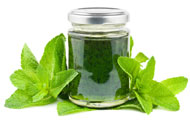
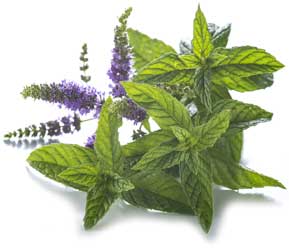
Mint is a versatile, aromatic perennial herb from the Mentha genus (Lamiaceae family), recognized by its square stems, opposite leaves, and pungent, refreshing, and sweet flavour.
Widely used in culinary dishes, beverages, toothpaste, and candy, it contains essential oils like menthol. Popular varieties include peppermint and spearmint, known for spreading rapidly in gardens.
History and Origin
Mint (genus Mentha) originated in the Mediterranean and Asia, with a history spanning thousands of years as a highly valued aromatic herb and medicinal plant.
Traced back to 1550 BCE Egypt for treating stomach ailments, it was used by Romans and Greeks for perfumes, culinary flavourings, and medicinal purposes, with myths linking its origin to the nymph Minthe.
- • Peppermint
- • Spearmint
- • Mojito Mint
- • Moroccan Mint
- • Chocolate Mint
- • Apple Mint
- • Pineapple Mint
- • Orange Mint
- • Ginger Mint
- • Lemon Mint
- • Strawberry Mint
There are many mint varieties, including popular types like Peppermint (strong, cool flavour) and Spearmint (sweeter, milder), alongside uniquely flavoured ones like Chocolate Mint, Apple Mint, Pineapple Mint, Orange Mint, and Ginger Mint, each offering distinct tastes and scents for culinary uses, teas, or aromatherapy, with some native options like Australia's River Mint also available.
Popular Culinary Mints
- Peppermint (Mentha x piperita): Strong, refreshing flavour from high menthol content, great for teas and desserts.
- Spearmint (Mentha spicata): Milder, sweeter than peppermint, classic for sauces and drinks.
- Mojito Mint (Mentha spicata 'Mojito'): A spearmint type ideal for cocktails.
- Moroccan Mint: A type of spearmint used in traditional Moroccan tea.
Flavoured & Aromatic Varieties
- Chocolate Mint: Hints of chocolate, often with dark stems.
- Apple Mint (Woolly Mint): Fuzzy leaves and a subtle apple scent.
- Pineapple Mint: Variegated leaves with a tropical aroma.
- Orange Mint: Citrusy notes, great with fruit.
- Ginger Mint: Spicy, warming flavour.
- Lemon Mint / Eau de Cologne Mint: Strong citrus fragrance.
- Strawberry Mint: Fruity aroma, though flavour can vary.
Native and Other Types
- River Mint (Mentha australis): Native to Australia, pungent and strong.
- Water Mint (Mentha aquatica): Grows in wet areas, a parent of peppermint.
- Pennyroyal (Mentha pulegium): Strong, distinct scent, used historically as an insect repellent.
Herbs ” Mint ” ( Nutritional value )
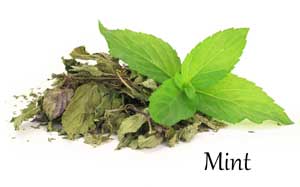
Nutritional Value per 1.6 g – 1 Tablespoon
Spearmint, dried
|
Nutrient ( Proximate’s )
|
Unit
|
Value
|
Daily Value %
|
|
Energy
|
kcal
|
5
|
0.2%
|
|
Protein
|
g
|
0.32
|
0.6%
|
|
Total lipid (fat)
|
g
|
0.10
|
0.1%
|
|
Carbohydrate, by difference
|
g
|
0.83
|
0.3%
|
|
Fiber, total dietary
|
g
|
0.5
|
1.7%
|
|
Minerals
|
|||
|
Calcium, Ca
|
mg
|
24
|
1.8%
|
|
Iron, Fe
|
mg
|
1.40
|
7.7%
|
|
Magnesium, Mg
|
mg
|
10
|
2.3%
|
|
Phosphorus, P
|
mg
|
4
|
0.3%
|
|
Potassium, K
|
mg
|
31
|
0.6%
|
|
Sodium, Na
|
mg
|
6
|
0.2%
|
|
Zinc, Zn
|
mg
|
0.04
|
0.3%
|
|
Copper, Cu
|
mg
|
0.025
|
2.7%
|
|
Manganese, Mn
|
mg
|
0.184
|
8%
|
|
Vitamins
|
|||
|
Vitamin C, total ascorbic acid
|
mg
|
0.0
|
|
|
Thiamin (B-1)
|
mg
|
0.005
|
0.4%
|
|
Riboflavin (B-2)
|
mg
|
0.023
|
1.7%
|
|
Niacin (B-3)
|
mg
|
0.105
|
0.6%
|
|
Pantothenic acid (B-5)
|
mg
|
0.022
|
0.4%
|
|
Vitamin (B-6)
|
mg
|
0.041
|
2.4%
|
|
Folate (B-9)
|
mcg
|
8
|
2%
|
|
Vitamin (B-12)
|
mcg
|
0.00
|
|
|
Vitamin A, RAE (retinol)
|
mcg
|
||
|
Vitamin D (D2 + D3)
|
mcg
|
0
|
|
|
Lipids
|
|||
|
Saturated Fatty Acids
|
g
|
0.025
|
0.1%
|
|
Monounsaturated Fatty Acids
|
g
|
0.003
|
|
|
Polyunsaturated Fatty Acids
|
g
|
0.052
|
|
|
Trans Fatty Acids
|
g
|
0.000
|
|
|
Cholesterol
|
mg
|
0
|
|
Reference Values are based on a 2,000 Calorie Intake, for Adults and Children 4 or More Years of Age. Your daily values may be higher or lower depending on your calorie needs.
Percentages are roughly approximated using (RDA) Recommended Dietary Allowances for adults. Source: Nutrient Database – USDA (United States Department of Agriculture).
Reference Values for Nutrition – FDA U.S. Food and Drug Administration.
Mint Nutritional Value
Mint offers benefits for digestion (IBS, indigestion), respiratory relief (colds, congestion), brain function (alertness, memory), and even skin health, thanks to compounds like menthol and antioxidants, reducing issues from bloating to headaches and boosting immunity.
GOOD FOR DIGESTION
Mint, especially peppermint, is generally very good for digestion, helping to relieve gas, bloating, indigestion, and IBS symptoms by relaxing the smooth muscles of the gut, slowing food transit, and stimulating digestive juices, though peppermint oil capsules are more studied than tea. It works due to menthol, which calms the digestive system, but people with heartburn (acid reflux) should be cautious as it can worsen symptoms.SIGNIFICANT ANTI-INFLAMMATORY PROPERTIES
Mint, especially peppermint and spearmint, has significant anti-inflammatory properties due to compounds like menthol and rosmarinic acid, helping to soothe conditions from upset stomachs (IBS) and headaches to skin irritation (acne) and allergies, by reducing pro-inflammatory mediators and oxidative stress. Its cooling, analgesic (pain-relieving) effects also provide comfort for sore throats, muscle aches (arthritis), and respiratory issues.FRESHENS BREATH NATURALLY
Mint freshens breath naturally by using menthol's antibacterial properties to kill odour-causing bacteria, stimulating saliva flow to rinse the mouth, and providing a cooling sensation, often found in mint leaves, teas, or products with mint extracts, working to mask and reduce bad breath causes.REDUCES STRESS
Mint, especially peppermint, is known to help reduce stress, anxiety, and frustration, primarily through its calming aroma and compounds like menthol, which can soothe nerves, improve focus, and aid relaxation, often enjoyed as tea or aromatherapy for its invigorating yet calming effects. Studies show inhaling peppermint aroma can decrease anxiety and fatigue, while drinking peppermint tea helps calm the mind and decompress.
HEADACHES AND MIGRAINES
Mint, particularly peppermint oil (rich in menthol), is a popular herbal remedy for headaches, especially tension headaches and migraines, offering a cooling, relaxing effect when applied topically to the temples or forehead, potentially comparable to some OTC pain relievers by relaxing muscles and improving blood flow. You can use diluted peppermint essential oil via topical application (often with a carrier oil or in a rollerball), inhalation, or even drink peppermint tea for relief, though it's crucial to dilute essential oils and never ingest them unless specified.NATURAL DECONGESTANT
Mint, specifically peppermint due to its menthol content, acts as a natural decongestant by shrinking swollen nasal membranes and loosening mucus, making it easier to breathe during colds or allergies, often used in aromatherapy (steam inhalation) or topical rubs. While it doesn't alter actual airway resistance, it provides significant subjective relief, helping with sleep and recovery from upper respiratory issues.RICH IN ANTIOXIDANTS AND PHYTONUTRIENTS
Mint is rich in antioxidants and phytonutrients like rosmarinic acid, which help fight cell damage from free radicals, support immunity, reduce inflammation, and contribute to benefits like improved digestion, better brain function, and potential allergy relief. Its antioxidant power, combined with vitamins (A, C) and minerals (iron, manganese), makes it a healthy addition to diets, often used in teas, water, and dishes.BOOSTS ALERTNESS
Mint, particularly peppermint, has been shown to boost alertness and enhance cognitive function in several studies. The primary active ingredient, menthol, found in the essential oil, is believed to be responsible for these effects.
References
Nutrient Database – USDA (United States Department of Agriculture)
Reference Values for Nutrition – FDA U.S. Food and Drug Administration
Good for digestion - Mint, especially peppermint, is generally very good for digestion, helping to relieve gas, bloating, indigestion, and IBS symptoms by relaxing the smooth muscles of the gut, slowing food transit, and stimulating digestive juices, though peppermint oil capsules are more studied than tea. It works due to menthol, which calms the digestive system, but people with heartburn (acid reflux) should be cautious as it can worsen symptoms.
Natural decongestant - Mint, specifically peppermint due to its menthol content, acts as a natural decongestant by shrinking swollen nasal membranes and loosening mucus, making it easier to breathe during colds or allergies, often used in aromatherapy (steam inhalation) or topical rubs. While it doesn't alter actual airway resistance, it provides significant subjective relief, helping with sleep and recovery from upper respiratory issues.
Boosts alertness - Mint, particularly peppermint, has been shown to boost alertness and enhance cognitive function in several studies. The primary active ingredient, menthol, found in the essential oil, is believed to be responsible for these effects.
Reduces stress - Mint, especially peppermint, is known to help reduce stress, anxiety, and frustration, primarily through its calming aroma and compounds like menthol, which can soothe nerves, improve focus, and aid relaxation, often enjoyed as tea or aromatherapy for its invigorating yet calming effects. Studies show inhaling peppermint aroma can decrease anxiety and fatigue, while drinking peppermint tea helps calm the mind and decompress.
Headaches and migraines - Mint, particularly peppermint oil (rich in menthol), is a popular herbal remedy for headaches, especially tension headaches and migraines, offering a cooling, relaxing effect when applied topically to the temples or forehead, potentially comparable to some OTC pain relievers by relaxing muscles and improving blood flow. You can use diluted peppermint essential oil via topical application (often with a carrier oil or in a rollerball), inhalation, or even drink peppermint tea for relief, though it's crucial to dilute essential oils and never ingest them unless specified.
Significant anti-inflammatory properties - Mint, especially peppermint and spearmint, has significant anti-inflammatory properties due to compounds like menthol and rosmarinic acid, helping to soothe conditions from upset stomachs (IBS) and headaches to skin irritation (acne) and allergies, by reducing pro-inflammatory mediators and oxidative stress. Its cooling, analgesic (pain-relieving) effects also provide comfort for sore throats, muscle aches (arthritis), and respiratory issues.
Rich in antioxidants and phytonutrients - Mint is rich in antioxidants and phytonutrients like rosmarinic acid, which help fight cell damage from free radicals, support immunity, reduce inflammation, and contribute to benefits like improved digestion, better brain function, and potential allergy relief. Its antioxidant power, combined with vitamins (A, C) and minerals (iron, manganese), makes it a healthy addition to diets, often used in teas, water, and dishes.
Freshens breath naturally - Mint freshens breath naturally by using menthol's antibacterial properties to kill odour-causing bacteria, stimulating saliva flow to rinse the mouth, and providing a cooling sensation, often found in mint leaves, teas, or products with mint extracts, working to mask and reduce bad breath causes.