

1. Mustard Seed Facts
2. Types of Mustard Seed
3. Mustard Seed Nutritional Value
4. Mustard Seed Health Benefits
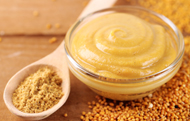
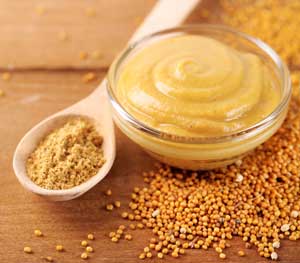
Mustard seeds are tiny, round seeds from mustard plants, used as a spice for pungent flavour, to make the condiment mustard, and pressed for oil, with common types being yellow, brown (black), and white.
Mustard seeds are a key ingredient in cuisines worldwide (Indian, European, Asian), often toasted to release aroma and heat, and have historical uses in traditional medicine and as a symbol of growth.
History and Origin
Mustard seeds originated in the Mediterranean region and Central Asia, used since ancient times (Neolithic era) for medicine and flavour, with archaeological finds in Syria dating back to 9000 BCE and mentions in ancient Indian, Chinese, Greek, and Egyptian texts.
The Romans famously created the first paste by mixing ground seeds with must (unfermented grape juice), leading to the name "mustard" (must-ardent), and spread its use across Europe, while monks in France later commercialized it, eventually becoming a global spice.
- • Yellow Mustard Seed (White Mustard)
- • Brown Mustard Seed
- • Black Mustard Seed
The three main types of mustard seeds are Yellow (White), Brown, and Black, differing in pungency, size, and culinary use, with Yellow being mildest (American mustard), Brown offering medium heat (Dijon, Indian), and Black being the hottest (South Asian tempering).
Each variety, derived from different Brassica species, offers unique flavour profiles, from subtle tang to intense spice, making them versatile in global cuisines.
Types of Mustard Seeds
- Yellow Mustard Seed (White Mustard)
- Colour: Pale yellow.
- Flavour: Mildest, nutty, slightly tangy.
- Uses: American-style yellow mustard, pickling, emulsifier in sauces.
- Brown Mustard Seed
- Colour: Reddish-brown.
- Flavour: Medium heat, pungent, deeper flavour.
- Uses: Dijon mustard, Indian curries (rai), versatile in many dishes.
- Black Mustard Seed
- Colour: Deep brown to black.
- Flavour: Hottest and most pungent.
- Uses: Essential for tempering oils in South Asian (Indian, Bengali) cooking for intense flavour.
Other Varieties
- Oriental Mustard: Often grouped with brown/black for its pungency, used in Chinese and Japanese cuisine.
- Toria/Yellow Sarson: Specific varieties grown in India for oil and seed, known for quality traits.
Key Differences
- Heat: Black > Brown > Yellow.
- Size: Black seeds are smallest; yellow and brown are larger.
- Composition: Yellow seeds have high mucilage, aiding emulsification; brown seeds have high fat content.
Spices ” Mustard Seed ” ( Nutritional value )
Nutritional value per 2 g – 1 Teaspoon
Spices, mustard seed, ground
|
Nutrient ( Proximate’s )
|
Unit
|
Value
|
Daily Value %
|
|
Energy
|
kcal
|
10
|
0.5%
|
|
Protein
|
g
|
0.52
|
1%
|
|
Total lipid (fat)
|
g
|
0.72
|
0.9%
|
|
Carbohydrate, by difference
|
g
|
0.56
|
0.2%
|
|
Fiber, total dietary
|
g
|
0.2
|
0.7%
|
|
Sugars, total
|
g
|
0.14
|
|
|
Minerals
|
|||
|
Calcium, Ca
|
mg
|
5
|
0.3%
|
|
Iron, Fe
|
mg
|
0.18
|
1%
|
|
Magnesium, Mg
|
mg
|
7
|
1.6%
|
|
Phosphorus, P
|
mg
|
17
|
1.3%
|
|
Potassium, K
|
mg
|
15
|
0.3%
|
|
Sodium, Na
|
mg
|
0
|
|
|
Zinc, Zn
|
mg
|
0.12
|
1%
|
|
Copper, Cu
|
mg
|
0.013
|
1.4%
|
|
Manganese, Mn
|
mg
|
0.049
|
2.1%
|
|
Selenium, Se
|
mcg
|
4.2
|
7.6%
|
|
Vitamins
|
|||
|
Vitamin C, total ascorbic acid
|
mg
|
0.1
|
0.1%
|
|
Thiamin (B-1)
|
mg
|
0.016
|
1.3%
|
|
Riboflavin (B-2)
|
mg
|
0.005
|
0.3%
|
|
Niacin (B-3)
|
mg
|
0.095
|
0.5%
|
|
Pantothenic acid
|
mg
|
0.016
|
0.3%
|
|
Vitamin (B-6)
|
mg
|
0.008
|
0.4%
|
|
Folate (B-9)
|
mcg
|
3
|
0.7%
|
|
Vitamin (B-12)
|
mcg
|
0.00
|
|
|
Vitamin A, RAE
|
mcg
|
||
|
Vitamin D (D2 + D3)
|
mcg
|
0
|
|
|
Vitamin E (alpha-tocopherol)
|
mg
|
0.10
|
0.6%
|
|
Vitamin K (phylloquinone)
|
mcg
|
0.1
|
.008%
|
|
Carotenoids
|
|||
|
Lutein + zeaxanthin
|
mcg
|
11
|
|
|
Lipids
|
|||
|
Saturated Fatty Acids
|
g
|
0.040
|
0.2%
|
|
Monounsaturated Fatty Acids
|
g
|
0.450
|
|
|
Polyunsaturated Fatty Acids
|
g
|
0.202
|
|
|
Cholesterol
|
mg
|
0
|
|
Reference Values are based on a 2,000 Calorie Intake, for Adults and Children 4 or More Years of Age. Your daily values may be higher or lower depending on your calorie needs.
Percentages are roughly approximated using (RDA) Recommended Dietary Allowances for adults. Source: USDA United States Department of Agriculture.
Reference Values for Nutrition – FDA U.S. Food and Drug Administration.
Mustard Seed Nutritional Value
Mustard seeds offer health benefits such as aiding digestion and reducing inflammation due to their high content of antioxidants, minerals like selenium and magnesium, and fiber. They may also help manage blood sugar, support respiratory and skin health, and protect against certain infections.
DIGESTIVE HEALTH
Mustard seeds significantly boost digestive health by stimulating appetite, increasing digestive enzymes, promoting bile flow, and acting as a gentle laxative due to their fiber and mucilage, relieving issues like indigestion, gas, and constipation while supporting a healthy gut microbiome and reducing gut inflammation. Their warming properties (in Ayurveda) and compounds like glycosylates also aid digestion, making them a valuable, albeit potent, natural remedy for gut wellness when consumed in moderation.REDUCES INFLAMMATION
Mustard seeds reduce inflammation due to compounds like glucosinolates and omega-3 fatty acids, which help neutralize free radicals and block inflammatory pathways, offering relief for conditions like arthritis, though much research uses extracts. They contain minerals such as selenium and magnesium, and compounds like allyl isothiocyanate, all known for their anti-inflammatory properties, making them a valuable addition to a diet for managing chronic inflammation.BOOSTS IMMUNITY
Mustard seeds can boost immunity due to their rich content of antioxidants (like vitamins A, C, E, and glucosinolates) and minerals (selenium, zinc, iron, magnesium) that support immune cell function, fight inflammation, and protect against infections, with traditional uses also pointing to benefits for respiratory issues.COMBATS INFECTIONS
Mustard seeds combat infections due to their potent antimicrobial compounds, like allyl isothiocyanate (AITC), derived from glucosinolates, which show effectiveness against various bacteria (like S. aureus) and fungi, making extracts useful in treating oral issues, skin infections, and even potentially respiratory problems, though research is ongoing.BLOOD SUGAR MANAGEMENT
Mustard seeds show promise for blood sugar management by enhancing insulin, improving glucose use, and slowing sugar absorption, thanks to compounds like fiber, omega-3s, and phytochemicals, with some studies showing significant glucose reduction in pre-diabetics using whole-grain mustard before bed, though more clinical trials on concentrated extracts are needed to confirm effects in prepared mustard.
RELIEF FOR JOINT PAIN AND STIFF MUSCLES
Relief for Joint Pain and Stiff Muscles Mustard seeds naturally contain compounds like selenium and magnesium, both of which boast well-known anti-inflammatory properties.RESPIRATORY HEALTH
Mustard seeds support respiratory health traditionally by acting as a natural decongestant through warming properties, helping to loosen mucus and ease coughs, often via poultices or steam inhalation, with compounds like allyl isothiocyanate stimulating circulation. While scientific validation is limited, studies suggest potential benefits for respiratory infections and sinusitis, but caution is advised due to potential skin irritation from topical use.WEIGHT MANAGEMENT
Mustard seeds support weight management by boosting metabolism, enhancing fat burning, and promoting digestion due to compounds like glucosinolates and fiber, making them a low-calorie, nutrient-rich addition to meals, but they work best within a balanced diet, not as a magic bullet. They contain metabolism-boosting minerals (iron, calcium, selenium) and antioxidants, with studies suggesting spicy mustard might even increase thermogenesis (heat production) and calorie burn.ANTIOXIDANT PROTECTION
Mustard seeds offer potent antioxidant protection through compounds like glucosinolates, isothiocyanates, phenolic acids (ferulic, sinapic), and flavonoids (lutein, kaempferol), which neutralize free radicals and reduce oxidative stress, guarding against chronic diseases like cancer and supporting heart health and healthy aging. They also provide essential nutrients, fiber, and minerals that boost immunity and overall wellness, making them a valuable dietary addition.ANTI-CANCER EFFECTS
Studies suggest mustard seeds and leaves, rich in compounds like glucosinolates and isothiocyanates, show promise in inhibiting cancer cell growth and spread, particularly in the GI tract, by inducing cell death (apoptosis) and possessing antioxidant properties, though most research is preliminary (animal/lab-based). As part of the brassica family, these vegetables contain natural phytochemicals known to fight cancer, but it's important to remember these are potential benefits, not cures.
References
Nutrient Database – USDA (United States Department of Agriculture)
Reference Values for Nutrition – FDA U.S. Food and Drug Administration
Digestive health - Mustard seeds significantly boost digestive health by stimulating appetite, increasing digestive enzymes, promoting bile flow, and acting as a gentle laxative due to their fiber and mucilage, relieving issues like indigestion, gas, and constipation while supporting a healthy gut microbiome and reducing gut inflammation. Their warming properties (in Ayurveda) and compounds like glucosinolates also aid digestion, making them a valuable, albeit potent, natural remedy for gut wellness when consumed in moderation.
Reduces inflammation - Mustard seeds reduce inflammation due to compounds like glucosinolates and omega-3 fatty acids, which help neutralize free radicals and block inflammatory pathways, offering relief for conditions like arthritis, though much research uses extracts. They contain minerals such as selenium and magnesium, and compounds like allyl isothiocyanate, all known for their anti-inflammatory properties, making them a valuable addition to a diet for managing chronic inflammation.
Boosts immunity - Mustard seeds can boost immunity due to their rich content of antioxidants (like vitamins A, C, E, and glucosinolates) and minerals (selenium, zinc, iron, magnesium) that support immune cell function, fight inflammation, and protect against infections, with traditional uses also pointing to benefits for respiratory issues, but more human studies are needed for conclusive proof.
Combats infections - Mustard seeds combat infections due to their potent antimicrobial compounds, like allyl isothiocyanate (AITC), derived from glucosinolates, which show effectiveness against various bacteria (like S. aureus) and fungi, making extracts useful in treating oral issues, skin infections, and even potentially respiratory problems, though research is ongoing.
Blood sugar management - Mustard seeds show promise for blood sugar management by enhancing insulin, improving glucose use, and slowing sugar absorption, thanks to compounds like fiber, omega-3s, and phytochemicals, with some studies showing significant glucose reduction in pre-diabetics using whole-grain mustard before bed, though more clinical trials on concentrated extracts are needed to confirm effects in prepared mustard.
Relief for Joint Pain and Stiff Muscles - Relief for Joint Pain and Stiff Muscles Mustard seeds naturally contain compounds like selenium and magnesium, both of which boast well-known anti-inflammatory properties. A massage using warmed mustard oil can be deeply therapeutic.
Respiratory health - Mustard seeds support respiratory health traditionally by acting as a natural decongestant through warming properties, helping to loosen mucus and ease coughs, often via poultices or steam inhalation, with compounds like allyl isothiocyanate stimulating circulation. While scientific validation is limited, studies suggest potential benefits for respiratory infections and sinusitis, but caution is advised due to potential skin irritation from topical use.
Weight management - Mustard seeds support weight management by boosting metabolism, enhancing fat burning, and promoting digestion due to compounds like glucosinolates and fiber, making them a low-calorie, nutrient-rich addition to meals, but they work best within a balanced diet, not as a magic bullet. They contain metabolism-boosting minerals (iron, calcium, selenium) and antioxidants, with studies suggesting spicy mustard might even increase thermogenesis (heat production) and calorie burn.
Antioxidant protection - Mustard seeds offer potent antioxidant protection through compounds like glucosinolates, isothiocyanates, phenolic acids (ferulic, sinapic), and flavonoids (lutein, kaempferol), which neutralize free radicals and reduce oxidative stress, guarding against chronic diseases like cancer and supporting heart health and healthy aging. They also provide essential nutrients, fiber, and minerals that boost immunity and overall wellness, making them a valuable dietary addition.
Anti-cancer effects - Studies suggest mustard seeds and leaves, rich in compounds like glucosinolates and isothiocyanates, show promise in inhibiting cancer cell growth and spread, particularly in the GI tract, by inducing cell death (apoptosis) and possessing antioxidant properties, though most research is preliminary (animal/lab-based). As part of the brassica family, these vegetables contain natural phytochemicals known to fight cancer, but it's important to remember these are potential benefits, not cures.