





1. Rosemary Grass Facts
2. Types of Rosemary
3. Rosemary Nutritional Value
4. Rosemary Health Benefits
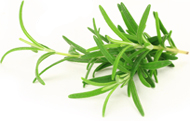
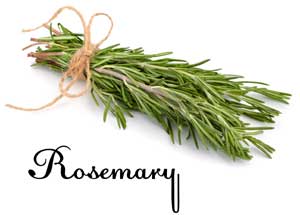
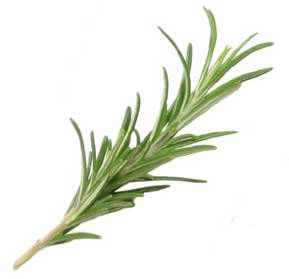
Rosemary (Salvia rosmarinus) is a fragrant, woody, evergreen perennial herb in the Lamiaceae family, known for its needle-like leaves and Mediterranean origins.
Named from Latin for "dew of the sea," it thrives in sunny, coastal areas. It is widely prized for its aromatic, pine-like flavour in culinary dishes—especially roasts and oils—and its traditional medicinal uses, including anti-inflammatory properties.
History and Origin
Rosemary originated in the Mediterranean, named from Latin for "dew of the sea," and was revered by ancient Greeks and Romans for memory, purification, and protection, used by scholars in garlands and by Egyptians in tombs.
It spread through Europe, cultivated under Charlemagne, used against the plague, and became symbolic for remembrance in weddings and funerals, famously referenced by Shakespeare.
In modern history, rosemary (Salvia rosmarinus) has transitioned from a traditional European medicinal and folklore herb into a staple culinary ingredient and subject of scientific study for its antioxidant and neuropharmacological benefits. It remains a potent symbol of remembrance on ANZAC Day (Australia), a tradition stemming from its prevalence on the Gallipoli peninsula.
- • Tuscan Blue
- • Spice Island
- • Gorizia
- • Barbecue
- • Arp
- • Salem
- • Blue Spires
All rosemary (Salvia rosmarinus) varieties are edible, but they differ in flavour intensity and growth habits, generally categorized as Upright (strong flavour, good for hedges like 'Tuscan Blue', 'Spice Island', 'Miss Jessup's') or Prostrate/Spreading (good for groundcovers/trailing like 'Huntington Carpet', 'Blue Lagoon').
For cooking, varieties with sweeter oils and less pine/camphor, such as 'Gorizia', 'Tuscan Blue', 'Spice Island', and 'Chef's Choice', are often preferred for their robust, less bitter taste.
Popular Varieties
- Tuscan Blue: Tall, upright, aromatic with lemony-pine notes, great for hedges and cooking.
- Spice Island: Upright, dark blue flowers, complex flavour with hints of clove/nutmeg.
- Gorizia: Rich, bold flavour, often sweeter oils, excellent for kitchen use.
- Barbecue: Upright, large oily leaves, strong flavour, great for cooking.
- Arp: Very cold hardy, upright, good flavour, pale blue flowers.
- Salem: Mellow flavour compared to others, good for culinary uses.
- Blue Spires: Upright, fragrant, good for cooking.
Choosing for Flavour
- For Strong Flavour: Look for taller varieties with large leaves, like 'Tuscan Blue' or 'Spice Island'.
- For Sweeter Flavour: 'Gorizia' and 'Herb Cottage' offer sweeter oils, making them less camphoraceous for cooking.
- Best Practice: Smell the leaves if possible; varieties with strong, pure rosemary scent and less pine/camphor are usually best for cooking.
Herbs ” Rosemary ” ( Nutritional value )
Nutritional Value per 3.3 g – 1 Tablespoon
Rosemary, dried
|
Nutrient ( Proximate’s )
|
Unit
|
Value
|
Daily Value %
|
|
Energy
|
kcal
|
11
|
0.5%
|
|
Protein
|
g
|
0.16
|
0.3%
|
|
Total lipid (fat)
|
g
|
0.50
|
.006%
|
|
Carbohydrate, by difference
|
g
|
2.11
|
0.7%
|
|
Fiber, total dietary
|
g
|
1.4
|
5%
|
|
Minerals
|
|||
|
Calcium, Ca
|
mg
|
42
|
3.2%
|
|
Iron, Fe
|
mg
|
0.97
|
5.3%
|
|
Magnesium, Mg
|
mg
|
7
|
1.6%
|
|
Phosphorus, P
|
mg
|
2
|
0.1%
|
|
Potassium, K
|
mg
|
32
|
0.6%
|
|
Sodium, Na
|
mg
|
2
|
.008%
|
|
Zinc, Zn
|
mg
|
0.11
|
1%
|
|
Copper, Cu
|
mg
|
0.018
|
2%
|
|
Manganese, Mn
|
mg
|
0.062
|
2.6%
|
|
Selenium, Se
|
mcg
|
0.2
|
0.3%
|
|
Vitamins
|
|||
|
Vitamin C, total ascorbic acid
|
mg
|
2.0
|
2.2%
|
|
Thiamin (B-1)
|
mg
|
0.017
|
1.4%
|
|
Riboflavin (B-2)
|
mg
|
0.014
|
1%
|
|
Niacin (B-3)
|
mg
|
0.033
|
0.2%
|
|
Vitamin (B-6)
|
mg
|
0.057
|
3.3%
|
|
Folate (B-9)
|
mcg
|
10
|
2.5%
|
|
Vitamin (B-12)
|
mcg
|
0.00
|
|
|
Vitamin A, RAE (retinol)
|
mcg
|
||
|
Vitamin D (D2 + D3)
|
mcg
|
0
|
|
|
Lipids
|
|||
|
Saturated Fatty Acids
|
g
|
0.243
|
1.2%
|
|
Monounsaturated Fatty Acids
|
g
|
0.099
|
|
|
Polyunsaturated Fatty Acids
|
g
|
0.077
|
|
|
Cholesterol
|
mg
|
0
|
|
Reference Values are based on a 2,000 Calorie Intake, for Adults and Children 4 or More Years of Age. Your daily values may be higher or lower depending on your calorie needs.
Percentages are roughly approximated using (RDA) Recommended Dietary Allowances for adults. Source: Nutrient Database – USDA (United States Department of Agriculture).
Reference Values for Nutrition – FDA U.S. Food and Drug Administration.
Rosemary Nutritional Value
Rosemary offers benefits like boosting memory and focus, reducing stress, aiding digestion, and fighting inflammation, thanks to compounds like antioxidants (carnosic acid, rosmarinic acid) that protect cells, improve circulation, support gut health, and may even help with conditions like Alzheimer's, while its aroma can lift mood and relieve headaches.
Rosemary is rich in nutrients and phytochemicals that support overall health, including immune and liver function, and has potential anti-microbial and anti-cancer properties.
IMPROVED MEMORY AND FOCUS
Rosemary (Rosmarinus officinalis) is linked to improved memory and focus due to its compound 1,8-cineole, which boosts acetylcholine (a key learning neurotransmitter) and increases blood flow to the brain, enhancing clarity and mental performance, with studies showing even inhaling its aroma can improve cognitive function and reduce anxiety. Its antioxidants also protect brain cells, while oral consumption or diffusing its oil can support cognitive health and potentially slow neurodegenerative decline, making it a traditional remedy for remembrance.STRESS AND ANXIETY RELIEF
Rosemary shows promise for stress and anxiety relief, with studies suggesting its essential oil or extracts can lower cortisol, boost dopamine, and reduce anxiety/depression symptoms, possibly by modulating the HPA axis and inflammation, though larger human trials are needed for definitive proof. Inhaling rosemary oil or drinking rosemary tea are common methods, potentially helping with test anxiety and general mood.INDIGESTION RELIEF
Rosemary helps indigestion by acting as a carminative (gas-reliever) and anti-inflammatory, soothing heartburn, easing bloating, promoting gut bacteria, and stimulating digestion for better nutrient absorption, often used as a tea or in cooking. While traditionally used for centuries, modern science supports its digestive benefits, though larger studies are needed, and it's best enjoyed in culinary amounts or as tea unless guided by a professional due to potential interactions.OFFERS PAIN RELIEF
Rosemary offers pain relief potential due to its anti-inflammatory and analgesic properties, helping with muscle aches, headaches, and arthritis pain through topical massage, aromatherapy, or tea, but consult a doctor before use, especially if pregnant or on medication, as it contains aspirin-like compounds and should always be diluted.FIGHTS FREE RADICALS
Rosemary is a powerful antioxidant that fights free radicals due to compounds like carnosic acid and rosmarinic acid, which neutralize harmful molecules, protect brain cells from damage (like in Alzheimer's), reduce inflammation, and support cognitive health, memory, and overall body protection against environmental stressors.
HIGH IN ANTIOXIDANTS Rosemary is indeed high in powerful antioxidants, primarily carnosic acid, rosmarinic acid, and flavonoids, which help neutralize harmful free radicals, reduce oxidative stress, fight inflammation, and protect cells from damage, contributing to benefits like improved brain function, better digestion, and potential anti-cancer effects, making it a popular natural preservative in foods and skincare.
REDUCES INFLAMMATION
Rosemary is known for its anti-inflammatory properties, supported by traditional use and modern research showing its compounds like carnosic acid and rosmarinic acid can reduce inflammation by blocking inflammatory pathways (like NF-κB) and lowering pro-inflammatory cytokines. Studies suggest rosemary can help with conditions like rheumatoid arthritis and reduce pain and swelling.BOOSTS BLOOD CIRCULATION
Rosemary (Salvia rosmarinus) is well-known for boosting blood circulation, acting as a vasodilator (widening blood vessels) and stimulating tiny capillaries, which helps with cold extremities (like in Raynaud's disease) and muscle pain, often through topical use like oils and rubs or infusions, with compounds like carnosic acid aiding blood flow and reducing inflammation.POWERFUL ANTIOXIDANT AND ANTI-INFLAMMATORY COMPOUNDS
Rosemary is packed with powerful antioxidant and anti-inflammatory compounds, mainly polyphenols like carnosic acid, carnosol, and rosmarinic acid, which fight free radicals, reduce oxidative stress, and soothe inflammation in the body and skin, potentially helping with conditions like arthritis, boosting mood, and preserving food, making it a valuable natural agent for health and culinary uses.HEART HEALTH
Rosemary improves circulation, reducing blood pressure, and combating oxidative stress with antioxidants like rosmarinic acid, as seen in animal studies and some human trials for hypertension, but more large-scale human research is needed to confirm benefits like preventing heart failure after heart attacks. Its anti-inflammatory and antioxidant compounds protect blood vessels, while its stimulant properties can boost circulation, supporting overall cardiovascular wellness, though essential oil use might need caution for some.
References
Nutrient Database – USDA (United States Department of Agriculture)
Reference Values for Nutrition – FDA U.S. Food and Drug Administration
Improved memory and focus - Rosemary (Rosmarinus officinalis) is linked to improved memory and focus due to its compound 1,8-cineole, which boosts acetylcholine (a key learning neurotransmitter) and increases blood flow to the brain, enhancing clarity and mental performance, with studies showing even inhaling its aroma can improve cognitive function and reduce anxiety. Its antioxidants also protect brain cells, while oral consumption or diffusing its oil can support cognitive health and potentially slow neurodegenerative decline, making it a traditional remedy for remembrance.
Stress and anxiety relief - Rosemary shows promise for stress and anxiety relief, with studies suggesting its essential oil or extracts can lower cortisol, boost dopamine, and reduce anxiety/depression symptoms, possibly by modulating the HPA axis and inflammation, though larger human trials are needed for definitive proof. Inhaling rosemary oil or drinking rosemary tea are common methods, potentially helping with test anxiety and general mood.
Indigestion relief - Rosemary helps indigestion by acting as a carminative (gas-reliever) and anti-inflammatory, soothing heartburn, easing bloating, promoting gut bacteria, and stimulating digestion for better nutrient absorption, often used as a tea or in cooking. While traditionally used for centuries, modern science supports its digestive benefits, though larger studies are needed, and it's best enjoyed in culinary amounts or as tea unless guided by a professional due to potential interactions.
Powerful antioxidant and anti-inflammatory compounds - Rosemary is packed with powerful antioxidant and anti-inflammatory compounds, mainly polyphenols like carnosic acid, carnosol, and rosmarinic acid, which fight free radicals, reduce oxidative stress, and soothe inflammation in the body and skin, potentially helping with conditions like arthritis, boosting mood, and preserving food, making it a valuable natural agent for health and culinary uses.
Fights free radicals - Rosemary is a powerful antioxidant that fights free radicals due to compounds like carnosic acid and rosmarinic acid, which neutralize harmful molecules, protect brain cells from damage (like in Alzheimer's), reduce inflammation, and support cognitive health, memory, and overall body protection against environmental stressors.
High in antioxidants - Rosemary is indeed high in powerful antioxidants, primarily carnosic acid, rosmarinic acid, and flavonoids, which help neutralize harmful free radicals, reduce oxidative stress, fight inflammation, and protect cells from damage, contributing to benefits like improved brain function, better digestion, and potential anti-cancer effects, making it a popular natural preservative in foods and skincare.
Reduces inflammation - Rosemary is known for its anti-inflammatory properties, supported by traditional use and modern research showing its compounds like carnosic acid and rosmarinic acid can reduce inflammation by blocking inflammatory pathways (like NF-κB) and lowering pro-inflammatory cytokines. Studies suggest rosemary can help with conditions like rheumatoid arthritis and reduce pain and swelling, though more research is always ongoing.
Boosts blood circulation - Rosemary (Salvia rosmarinus) is well-known for boosting blood circulation, acting as a vasodilator (widening blood vessels) and stimulating tiny capillaries, which helps with cold extremities (like in Raynaud's disease) and muscle pain, often through topical use like oils and rubs or infusions, with compounds like carnosic acid aiding blood flow and reducing inflammation.
Offers pain Relief - Rosemary offers pain relief potential due to its anti-inflammatory and analgesic properties, helping with muscle aches, headaches, and arthritis pain through topical massage, aromatherapy, or tea, but consult a doctor before use, especially if pregnant or on medication, as it contains aspirin-like compounds and should always be diluted.
Heart health - Rosemary shows promise for heart health by improving circulation, reducing blood pressure, and combating oxidative stress with antioxidants like rosmarinic acid, as seen in animal studies and some human trials for hypertension, but more large-scale human research is needed to confirm benefits like preventing heart failure after heart attacks. Its anti-inflammatory and antioxidant compounds protect blood vessels, while its stimulant properties can boost circulation, supporting overall cardiovascular wellness, though essential oil use might need caution for some.