
1. Saffron Facts
2. Types of Saffron
3. Saffron Nutritional Value
4. Saffron Health Benefits
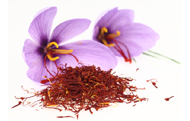
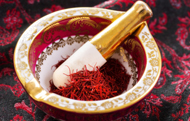
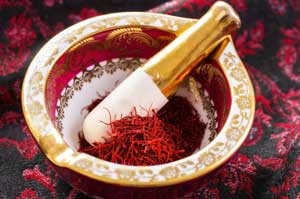
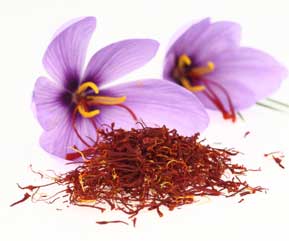
Saffron, derived from the dried crimson stigmas of the Crocus sativus flower, is the world's most expensive spice due to its labour-intensive, hand-harvested nature.
It takes roughly 75,000–150,000 flowers to produce one kilogram of dried saffron, with blooms appearing briefly in autumn and requiring immediate, early-morning picking to preserve quality.
Saffron is prized for adding vibrant golden colour, unique flavour, and aroma to foods like rice, stews, and baked goods, also used in traditional medicine. It's incredibly labour-intensive to produce, requiring tens of thousands of flowers for just a small amount of spice.
History and Origin
Saffron's origins trace back to ancient Greece and Crete, where Crocus cartwrightianus was domesticated into the sterile Crocus sativus around 1700 BCE, evident in Minoan frescoes at Knossos showing saffron harvesting.
From the Mediterranean, it spread to Persia (Iran), the Middle East, and Asia, becoming a prized spice for dye, medicine (treating ailments like the plague), perfume (used in Roman baths), and culinary uses, symbolizing wealth and used in royal/religious contexts for millennia.
- • Super Negin
- • Negin
- • Sargol (Coupe)
- • Konj (White Saffron)
- • Bunch (Dasteh)
- • Mancha
Saffron types are mainly classified by how the red stigmas are separated from the yellow style, with top grades like Super Negin and Negin being pure, long red threads for maximum colour/aroma, while Sargol (Coupe) uses just the red tips.
Lower grades like Pushal include some yellow style, offering good value, while Bunch (Dasteh) keeps stigmas tied to the stem, and Konj (White) is the yellow part used less for colour but for aroma in teas.
Premium Grades (High Purity)
- Super Negin: The highest quality, with the longest, unbroken red stigmas, offering the best colour and aroma.
- Negin: Premium grade with pure red stigmas, slightly shorter than Super Negin, excellent for cooking.
- Sargol (Coupe): All-red, pure stigmas (tips only), very aromatic and potent, great for colouring.
Mid-Grades (Mixed Style)
- Pushal (Pushal A): Red stigmas connected to a small piece of the yellow style, offering good flavour and colouring power at a lower cost.
Lower Grades & Other Types
- Konj (White Saffron): The yellowish or whitish style part, used more for flavour in teas and less for strong colouring.
- Bunch (Dasteh): Entire stigmas still clustered and tied together, showing the complete form.
- Mancha: A common Spanish type, often with some style attached.
Key Differences
- Purity: Redder stigma equals higher quality and price (Negin).
- Colouring: The red part (crocin) provides colour; the yellow part (style) has less.
- Usage: Pure red types are best for colouring dishes, while Konj is good for teas.
Spices ” Saffron ” ( Nutritional value )
Nutritional value per 0.7 g – 1 Tablespoon
Spices, saffron
|
Nutrient ( Proximate’s )
|
Unit
|
Value
|
Daily Value %
|
|
Energy
|
kcal
|
2
|
0.1%
|
|
Protein
|
g
|
0.08
|
0.1%
|
|
Total lipid (fat)
|
g
|
0.04
|
.001%
|
|
Carbohydrate, by difference
|
g
|
0.46
|
0.1%
|
|
Fiber, total dietary
|
g
|
0.0
|
|
|
Minerals
|
|||
|
Calcium, Ca
|
mg
|
1
|
.007%
|
|
Iron, Fe
|
mg
|
0.08
|
0.4%
|
|
Magnesium, Mg
|
mg
|
2
|
.007%
|
|
Phosphorus, P
|
mg
|
2
|
0.1%
|
|
Potassium, K
|
mg
|
12
|
0.2%
|
|
Sodium, Na
|
mg
|
1
|
.007%
|
|
Zinc, Zn
|
mg
|
0.01
|
0.9%
|
|
Copper, Cu
|
mg
|
0.002
|
0.2%
|
|
Manganese, Mn
|
mg
|
0.199
|
4.3%
|
|
Selenium, Se
|
mcg
|
0.0
|
|
|
Vitamins
|
|||
|
Vitamin C, total ascorbic acid
|
mg
|
0.6
|
0.6%
|
|
Thiamin (B-1)
|
mg
|
0.001
|
.008%
|
|
Riboflavin (B-2)
|
mg
|
0.002
|
0.1%
|
|
Niacin (B-3)
|
mg
|
0.010
|
.006%
|
|
Vitamin (B-6)
|
mg
|
0.007
|
0.4%
|
|
Folate (B-9)
|
mcg
|
1
|
0.2%
|
|
Vitamin (B-12)
|
mcg
|
0.00
|
|
|
Vitamin A, RAE
|
mcg
|
||
|
Vitamin D (D2 + D3)
|
mcg
|
0
|
|
|
Lipids
|
|||
|
Saturated Fatty Acids
|
g
|
0.011
|
0.05%
|
|
Monounsaturated Fatty Acids
|
g
|
0.003
|
|
|
Polyunsaturated Fatty Acids
|
g
|
0.014
|
|
|
Trans Fatty Acids
|
g
|
0.000
|
|
Reference Values are based on a 2,000 Calorie Intake, for Adults and Children 4 or More Years of Age. Your daily values may be higher or lower depending on your calorie needs.
Percentages are roughly approximated using (RDA) Recommended Dietary Allowances for adults. Source: USDA United States Department of Agriculture.
Reference Values for Nutrition – FDA U.S. Food and Drug Administration.
Saffron Nutritional Value
Saffron offers benefits for mood (depression), brain health (Alzheimer's, memory), heart health (cholesterol, blood pressure), and weight management, thanks to antioxidants and compounds like crocin, which fight inflammation, improve serotonin/dopamine levels, and reduce appetite, though more research is needed for many uses.
Saffron is used in supplements for anxiety, PMS, sexual function, and sleep, showing promise in improving libido, reducing pain, and aiding relaxation.
SEXUAL HEALTH
Saffron shows promise for sexual health, improving desire, arousal, lubrication, and satisfaction in women, and erectile function and desire in men, partly by boosting blood flow (via nitric oxide) and mood. It's particularly helpful for sexual side effects of antidepressants (SSRIs). Typical doses range from 15-30mg twice daily, but high amounts can be toxic, and it's crucial to consult a doctor before using it for sexual dysfunction due to potential drug interactions.ALZHEIMER'S AND MEMORY
Saffron shows significant promise for improving memory and cognitive function in Alzheimer's disease (AD) and mild cognitive impairment (MCI) by acting as an antioxidant, anti-inflammatory, and acetylcholinesterase inhibitor, potentially slowing plaque formation and improving neurotransmitters, with studies showing it performs as well as or better than standard drugs like donepezil with fewer side effects.DIABETES
Saffron supplementation shows potential as an adjunct therapy for diabetes management by helping to lower fasting blood glucose (FBG) and HbA1c levels, as well as reducing inflammation and improving certain lipid profiles.CARDIOVASCULAR
Saffron shows promising cardiovascular benefits, acting as a potent antioxidant and anti-inflammatory agent that helps reduce risk factors like oxidative stress, atherosclerosis, hypertension, and high cholesterol (dyslipidemia). Its active compounds, crocin and crocetin, improve blood lipids and reduce markers like TNF-α, potentially protecting against heart issues like ischemia-reperfusion injury and myocardial damage.
DEPRESSION
Saffron shows promise as a natural antidepressant, with studies suggesting its compounds (crocin, safranal) may boost mood-regulating brain chemicals like serotonin, similar to some pharmaceuticals (fluoxetine, sertraline) but often with fewer side effects, making it a safe alternative for mild to moderate depression.WEIGHT MANAGEMENT
Saffron can reduce appetite, curbing snacking, and boosting mood, which helps combat emotional eating, with studies showing extracts decrease hunger and calorie intake. Its bioactive compounds, like crocin, may improve metabolism, inhibit fat absorption (via pancreatic lipase), and act as antioxidants, but it's not a magic bullet and works best alongside a healthy diet.IMPROVES SLEEP QUALITY
Saffron shows promise for improving sleep quality in adults with sleep problems, with studies reporting better sleep ratings and reduced insomnia symptoms compared to placebo. The potential benefits may stem from its calming and antioxidant properties, and a common supplemental dose is 20-30 mg per day, taken as an extract about an hour before bed. While studies have shown positive results.ANTIOXIDANT & ANTI-INFLAMMATORY
Saffron is a powerful antioxidant and anti-inflammatory agent due to compounds like crocin, crocetin, safranal, and picrocrocin, which fight cell-damaging free radicals and calm inflammatory signals (like NF-κB), potentially benefiting mood, heart health, diabetes, and neurodegenerative diseases by reducing oxidative stress and inflammation markers.
References
Nutrient Database – USDA (United States Department of Agriculture)
Reference Values for Nutrition – FDA U.S. Food and Drug Administration
Depression - Saffron shows promise as a natural antidepressant, with studies suggesting its compounds (crocin, safranal) may boost mood-regulating brain chemicals like serotonin, similar to some pharmaceuticals (fluoxetine, sertraline) but often with fewer side effects, making it a safe alternative for mild to moderate depression, though more long-term research on dosage and quality is needed.
Alzheimer's and memory - Saffron shows significant promise for improving memory and cognitive function in Alzheimer's disease (AD) and mild cognitive impairment (MCI) by acting as an antioxidant, anti-inflammatory, and acetylcholinesterase inhibitor, potentially slowing plaque formation and improving neurotransmitters, with studies showing it performs as well as or better than standard drugs like donepezil with fewer side effects, though more large-scale clinical trials are needed for definitive recommendations.
Diabetes - Saffron supplementation shows potential as an adjunct therapy for diabetes management by helping to lower fasting blood glucose (FBG) and HbA1c levels, as well as reducing inflammation and improving certain lipid profiles. However, it is not a standalone treatment and should be used under medical supervision.
Cardiovascular - Saffron shows promising cardiovascular benefits, acting as a potent antioxidant and anti-inflammatory agent that helps reduce risk factors like oxidative stress, atherosclerosis, hypertension, and high cholesterol (dyslipidemia). Its active compounds, crocin and crocetin, improve blood lipids and reduce markers like TNF-α, potentially protecting against heart issues like ischemia-reperfusion injury and myocardial damage, though more large-scale human trials are needed to confirm clinical efficacy.
Sexual health - Saffron shows promise for sexual health, improving desire, arousal, lubrication, and satisfaction in women, and erectile function and desire in men, partly by boosting blood flow (via nitric oxide) and mood. It's particularly helpful for sexual side effects of antidepressants (SSRIs). Typical doses range from 15-30mg twice daily, but high amounts can be toxic, and it's crucial to consult a doctor before using it for sexual dysfunction due to potential drug interactions.
Weight management - Saffron shows promise for weight loss by reducing appetite, curbing snacking, and boosting mood, which helps combat emotional eating, with studies showing extracts decrease hunger and calorie intake. Its bioactive compounds, like crocin, may improve metabolism, inhibit fat absorption (via pancreatic lipase), and act as antioxidants, but it's not a magic bullet and works best alongside a healthy diet. Doses around 100mg daily (or equivalent in tea) are studied, available as threads or supplements, but consult a doctor before starting.
Improves sleep quality - Saffron shows promise for improving sleep quality in adults with sleep problems, with studies reporting better sleep ratings and reduced insomnia symptoms compared to placebo. The potential benefits may stem from its calming and antioxidant properties, and a common supplemental dose is 20-30 mg per day, taken as an extract about an hour before bed. While studies have shown positive results, more research is needed to confirm its long-term effects and optimal dosage.
Antioxidant & Anti-inflammatory - Saffron is a powerful antioxidant and anti-inflammatory agent due to compounds like crocin, crocetin, safranal, and picrocrocin, which fight cell-damaging free radicals and calm inflammatory signals (like NF-κB), potentially benefiting mood, heart health, diabetes, and neurodegenerative diseases by reducing oxidative stress and inflammation markers.