


1. Sage Facts
2. Types of Sage
3. Sage Nutritional Value
4. Sage Health Benefits
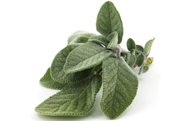
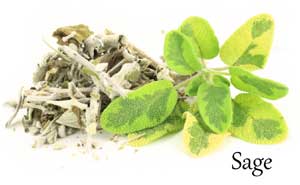
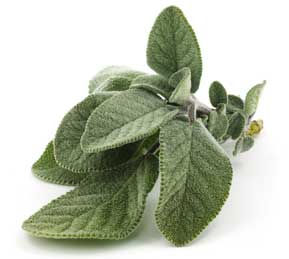
Sage (Salvia officinalis) is a perennial, evergreen subshrub belonging to the mint family (Lamiaceae), characterized by its woody stems, greyish-green leaves, and blue to purplish flowers.
Known for its strong, earthy aroma and slightly peppery, piney flavour, it is native to the Mediterranean region but is widely cultivated worldwide.
The botanical name Salvia is derived from the Latin salvere ("to save" or "to heal"), referencing its extensive history in traditional medicine, while officinalis denotes its historical, established medicinal or culinary value.
History and Origin
Sage (Salvia officinalis) originated in the Mediterranean and Asia Minor, prized for millennia as a medicinal cure-all and flavourful culinary herb.
Sage (Salvia officinalis) is a historically significant, aromatic herb that became essential in European cooking for meats, fish, and stuffing.
Known since ancient times as a "holy herb," it was valued for both medicine and ritual before becoming a staple in modern cuisine, perhaps most famously as the savoury, peppery flavouring in traditional Thanksgiving stuffing.
- • Common/Garden Sage
- • Purple Sage
- • Golden Sage
- • Pineapple Sage
- • Clary Sage
- • Tricolor Sage
- • Berggarten Sage
There are many types of sage (genus Salvia), ranging from common culinary varieties like Common Sage (Salvia officinalis), Purple Sage, and Golden Sage, to ornamental types like Pineapple Sage, Mexican Bush Sage, and Scarlet Sage, plus spiritual varieties such as White Sage, each with unique flavours, scents, foliage, and uses for cooking, tea, or smudging.
Culinary and Edible Sages
- Common/Garden Sage (Salvia officinalis): The classic culinary herb with earthy, peppery leaves for meats and stuffing.
- Purple Sage (S. officinalis 'Purpurascens'): A cultivar with purple foliage, similar flavour to common sage, great for colour.
- Golden Sage (S. officinalis 'Icterina'): Variegated yellow/green leaves, milder, sweeter flavour, good for tea and garnish.
- Pineapple Sage (Salvia elegans): Sweet pineapple scent, red flowers, used in drinks and desserts.
- Clary Sage (Salvia sclarea): Used for herbal teas, wines, and essential oils.
- Tricolor Sage: Variegated leaves with white, green, and purple.
- Berggarten Sage: A non-flowering cultivar of common sage with soft, silvery-green leaves, ideal for culinary use.
Herbs ” Sage ” ( Nutritional value )
Nutritional Value per 2.0 g – 1 Tablespoon
Sage, ground
|
Nutrient ( Proximate’s )
|
Unit
|
Value
|
Daily Value %
|
|
Energy
|
kcal
|
6
|
0.3%
|
|
Protein
|
g
|
0.21
|
0.4%
|
|
Total lipid (fat)
|
g
|
0.26
|
0.3%
|
|
Carbohydrate, by difference
|
g
|
1.21
|
0.4%
|
|
Fiber, total dietary
|
g
|
0.8
|
2.8%
|
|
Total Sugars
|
g
|
0.03
|
|
|
Minerals
|
|||
|
Calcium, Ca
|
mg
|
33
|
2.5%
|
|
Iron, Fe
|
mg
|
0.56
|
3.1%
|
|
Magnesium, Mg
|
mg
|
9
|
2.1%
|
|
Phosphorus, P
|
mg
|
2
|
0.1%
|
|
Potassium, K
|
mg
|
21
|
0.4%
|
|
Sodium, Na
|
mg
|
0
|
|
|
Zinc, Zn
|
mg
|
0.09
|
0.8%
|
|
Copper, Cu
|
mg
|
0.015
|
1.6%
|
|
Manganese, Mn
|
mg
|
0.063
|
2.7%
|
|
Selenium, Se
|
mcg
|
0.1
|
0.1%
|
|
Vitamins
|
|||
|
Vitamin C, total ascorbic acid
|
mg
|
0.6
|
0.6%
|
|
Thiamin (B-1)
|
mg
|
0.015
|
1.2%
|
|
Riboflavin (B-2)
|
mg
|
0.007
|
0.5%
|
|
Niacin (B-3)
|
mg
|
0.114
|
0.7%
|
|
Vitamin (B-6)
|
mg
|
0.054
|
3.1%
|
|
Folate (B-9)
|
mcg
|
5
|
1.2%
|
|
Vitamin (B-12)
|
mcg
|
0.00
|
|
|
Vitamin A, IU
|
mcg
|
||
|
Vitamin E (alpha-tocopherol)
|
mg
|
0.15
|
1%
|
|
Vitamin D
|
mcg
|
0
|
|
|
Vitamin K (phylloquinone)
|
mcg
|
34.3
|
28.5%
|
|
Lipids
|
|||
|
Saturated Fatty Acids
|
g
|
0.141
|
0.7%
|
|
Monounsaturated Fatty Acids
|
g
|
0.037
|
|
|
Polyunsaturated Fatty Acids
|
g
|
0.035
|
|
|
Cholesterol
|
mg
|
0
|
|
|
Carotenoids
|
|||
|
Beta-Carotene
|
mcg
|
70
|
|
|
Alpha-Carotene
|
mcg
|
0 |
|
|
Beta-Cryptoxanthin
|
mcg
|
2
|
|
|
Lutein + Zeaxanthin
|
mcg
|
38
|
|
Reference Values are based on a 2,000 Calorie Intake, for Adults and Children 4 or More Years of Age. Your daily values may be higher or lower depending on your calorie needs.
Percentages are roughly approximated using (RDA) Recommended Dietary Allowances for adults. Source: Nutrient Database – USDA (United States Department of Agriculture).
Reference Values for Nutrition – FDA U.S. Food and Drug Administration.
Sage Nutritional Value
Sage offers benefits like boosting memory & brain function, easing menopause symptoms (hot flashes), improving digestion, and fighting bacteria, thanks to its antioxidants (polyphenols) and potential oestrogen-like compounds, though more research is ongoing for certain uses like blood sugar control.
Sage is traditionally used in teas for sore throats and has antimicrobial properties for oral health.
POWERHOUSE OF ANTIOXIDANTS
Sage herb is a powerhouse of antioxidants, primarily from compounds like rosmarinic acid, carnosic acid, and salvianolic acid, which neutralize damaging free radicals, boost the body's defences, fight inflammation, support brain health, and improve cholesterol, with studies showing benefits from just drinking sage tea. Its rich phenolic content (flavonoids, phenolic acids) provides a natural shield against oxidative stress, aiding in cellular protection, anti-aging, and potentially reducing risks of chronic diseases like cancer.BOOSTING COGNITIVE HEALTH
Sage (Salvia) is a traditional herb with promising evidence for boosting cognitive health, improving memory, attention, and focus in both healthy individuals and those with mild dementia, potentially by affecting brain chemicals and acting as an antioxidant, with studies showing benefits from acute intake and longer supplementation. Its active compounds, like phenolics and terpenes, support brain pathways, with extracts showing positive impacts on recall, working memory, and even reducing agitation in Alzheimer's patients.BLOOD SUGAR
Sage (Salvia officinalis) shows promise in helping to lower blood sugar and improve insulin sensitivity, with studies suggesting it can reduce fasting glucose and post-meal spikes, acting similarly to some diabetes drugs like metformin in animal models, though more human trials are needed, and it's crucial to monitor blood sugar if taking it with diabetes medication.SORE THROATS/COUGHS
Sage herb is a traditional remedy for sore throats and coughs due to its antibacterial, anti-inflammatory, and astringent properties, often used as a tea or gargle to soothe irritation, reduce swelling, and ease coughing, frequently combined with honey and lemon for enhanced relief. Its antiseptic qualities help fight mouth inflammation, making it excellent for tonsils and throat issues, but it should be used in moderation due to the thujone content.BENEFITS SKIN
Sage herb benefits skin by fighting acne, slowing aging, and soothing irritation, thanks to its powerful antioxidants (like carnosic and rosmarinic acid) and astringent/antimicrobial compounds that regulate oil, reduce inflammation, promote cell renewal, tighten pores, and protect against UV damage, making it great for toners, masks, and treating issues like eczema, athlete's foot, and wrinkles.
REDUCE EXCESSIVE SWEATING
Sage (Salvia officinalis) is well-known and traditionally used to help reduce excessive sweating, especially hot flashes and night sweats related to menopause, due to compounds with oestrogen-like properties and astringent effects that decrease sweat gland activity and production. Studies show sage extracts significantly reduce the frequency of hot flashes and night sweats, though consulting a doctor is important as it can interact with medications.MENOPAUSE RELIEF
Sage (Salvia officinalis) is a popular herbal remedy for menopause relief, especially for reducing hot flashes, night sweats, and excessive perspiration, thanks to compounds with oestrogen-like properties and antioxidants that help balance hormones and calm the nervous system. Research shows it can significantly lower the frequency of hot flashes, though effects on severity vary, and it also supports memory, focus, and mood during this transition. Always consult a doctor before starting, as excessive intake can cause side effects due to thujone, and quality/dosage varies in supplements.DIGESTIVE AID
Carminative and anti-inflammatory properties help alleviate common digestive problems like bloating, gas (flatulence), heartburn, and indigestion.STRONG ANTIMICROBIAL PROPERTIES
Sage (Salvia officinalis and other species) is well-known for its strong antimicrobial properties, containing compounds like carnosic acid and rosmarinic acid that fight bacteria, fungi, and viruses, making it useful in traditional medicine, natural preservatives, and even deodorants. Its extracts are effective against foodborne pathogens, oral bacteria (like Streptococcus mutans), and can reduce microbial growth in food and on skin, acting as a natural alternative to synthetic antimicrobials.SUPPORTS ORAL HEALTH
Sage (Salvia officinalis) powerfully supports oral health by fighting bacteria, reducing inflammation, healing wounds, and freshening breath, thanks to compounds like rosmarinic acid, making sage tea a traditional gargle for sore throats and mouth sores, and a common ingredient in natural dental products for preventing plaque and gingivitis. Its benefits extend to strengthening gums, soothing sensitive teeth (with potassium), and promoting overall mouth moisture, benefiting those with limited mobility or needing extra care
References
Nutrient Database – USDA (United States Department of Agriculture)
Reference Values for Nutrition – FDA U.S. Food and Drug Administration
Boosting cognitive health - Sage (Salvia) is a traditional herb with promising evidence for boosting cognitive health, improving memory, attention, and focus in both healthy individuals and those with mild dementia, potentially by affecting brain chemicals and acting as an antioxidant, with studies showing benefits from acute intake and longer supplementation. Its active compounds, like phenolics and terpenes, support brain pathways, with extracts showing positive impacts on recall, working memory, and even reducing agitation in Alzheimer's patients.
Menopause relief - Sage (Salvia officinalis) is a popular herbal remedy for menopause relief, especially for reducing hot flashes, night sweats, and excessive perspiration, thanks to compounds with oestrogen-like properties and antioxidants that help balance hormones and calm the nervous system. Research shows it can significantly lower the frequency of hot flashes, though effects on severity vary, and it also supports memory, focus, and mood during this transition. Always consult a doctor before starting, as excessive intake can cause side effects due to thujone, and quality/dosage varies in supplements.
Digestive aid - Carminative and anti-inflammatory properties help alleviate common digestive problems like bloating, gas (flatulence), heartburn, and indigestion.
Powerhouse of antioxidants - Sage herb is a powerhouse of antioxidants, primarily from compounds like rosmarinic acid, carnosic acid, and salvianolic acid, which neutralize damaging free radicals, boost the body's defences, fight inflammation, support brain health, and improve cholesterol, with studies showing benefits from just drinking sage tea. Its rich phenolic content (flavonoids, phenolic acids) provides a natural shield against oxidative stress, aiding in cellular protection, anti-aging, and potentially reducing risks of chronic diseases like cancer.
Strong antimicrobial properties - Sage (Salvia officinalis and other species) is well-known for its strong antimicrobial properties, containing compounds like carnosic acid and rosmarinic acid that fight bacteria, fungi, and viruses, making it useful in traditional medicine, natural preservatives, and even deodorants. Its extracts are effective against foodborne pathogens, oral bacteria (like Streptococcus mutans), and can reduce microbial growth in food and on skin, acting as a natural alternative to synthetic antimicrobials.
Blood sugar - Sage (Salvia officinalis) shows promise in helping to lower blood sugar and improve insulin sensitivity, with studies suggesting it can reduce fasting glucose and post-meal spikes, acting similarly to some diabetes drugs like metformin in animal models, though more human trials are needed, and it's crucial to monitor blood sugar if taking it with diabetes medication.
Sore throats/coughs - Sage herb is a traditional remedy for sore throats and coughs due to its antibacterial, anti-inflammatory, and astringent properties, often used as a tea or gargle to soothe irritation, reduce swelling, and ease coughing, frequently combined with honey and lemon for enhanced relief. Its antiseptic qualities help fight mouth inflammation, making it excellent for tonsils and throat issues, but it should be used in moderation due to the thujone content.
Reduce excessive sweating - Sage (Salvia officinalis) is well-known and traditionally used to help reduce excessive sweating, especially hot flashes and night sweats related to menopause, due to compounds with oestrogen-like properties and astringent effects that decrease sweat gland activity and production. Studies show sage extracts significantly reduce the frequency of hot flashes and night sweats, though consulting a doctor is important as it can interact with medications.
Benefits skin - Sage herb benefits skin by fighting acne, slowing aging, and soothing irritation, thanks to its powerful antioxidants (like carnosic and rosmarinic acid) and astringent/antimicrobial compounds that regulate oil, reduce inflammation, promote cell renewal, tighten pores, and protect against UV damage, making it great for toners, masks, and treating issues like eczema, athlete's foot, and wrinkles.
Supports oral health - Sage (Salvia officinalis) powerfully supports oral health by fighting bacteria, reducing inflammation, healing wounds, and freshening breath, thanks to compounds like rosmarinic acid, making sage tea a traditional gargle for sore throats and mouth sores, and a common ingredient in natural dental products for preventing plaque and gingivitis. Its benefits extend to strengthening gums, soothing sensitive teeth (with potassium), and promoting overall mouth moisture, benefiting those with limited mobility or needing extra care.