




1. Tarragon Facts
2. Types of Tarragon
3. Tarragon Nutritional Value
4. Tarragon Health Benefits
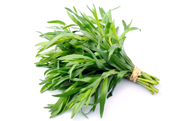
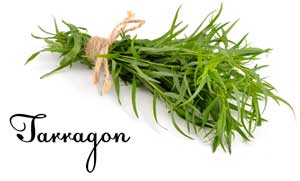
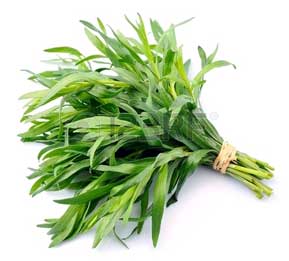
Tarragon is a fragrant, aromatic perennial herb (Artemisia dracunculus) known for its distinctive sweet, anise-like flavour, essential in French cooking for sauces (like Béarnaise), chicken, fish, and egg dishes, with French tarragon being the most prized culinary variety.
It's a key part of the classic French herb blend fines herbes and adds a fresh, slightly peppery taste to many recipes.
History and Origin
Tarragon (Artemisia dracunculus) originated in Central Asia and Siberia, spreading to Europe where it was used medicinally before becoming a culinary staple, especially in France, known as estragon, famed for its liquorice-like flavour in classic sauces.
It was introduced to England by the Tudors and brought to the U.S. in the 19th century, with the highly prized French variety (a sterile cultivar) propagated by cuttings, not seeds, connecting modern gardens to the ancient Silk Road.
- • French Tarragon
- • Russian Tarragon
- • Mexican Tarragon
The three main types of tarragon are French, Russian, and Mexican, with French being the most prized culinary herb for its strong anise flavour, while Russian has a weaker taste and is hardier but less aromatic, and Mexican (or Winter Tarragon) offers a strong, marigold-like anise taste and loves heat.
French and Russian are related (Artemisia dracunculus), but Mexican tarragon (Tagetes lucida) is from a different genus but serves as a great substitute, especially in warmer climates.
Main Types of Tarragon
French Tarragon (Artemisia dracunculus var. sativa)
Flavour: Deep, sweet anise/liquorice flavour, most complex and aromatic.
Use: Essential in French cuisine for sauces (Béarnaise), fish, eggs, chicken, and fines herbes.
Growth: Sterile, so propagated by cuttings or root division; doesn't grow from seed.
Russian Tarragon (Artemisia dracunculus)
Flavour: Much weaker and less aromatic than French, flavour diminishes with age.
Use: More for bulk in salads, as a mild green, or sometimes pickled, but generally considered poor for cooking.
Growth: Hardy, vigorous, self-seeds, and thrives in cold climates; grown from seed.
Mexican Tarragon (Tagetes lucida)
Flavour: Strong anise flavour, similar to French but different notes, plus a hint of marigold.
Use: Excellent culinary substitute for French tarragon, especially where French struggles.
Growth: A different plant (like a marigold), loves heat, grows well from seed, and is great for hot climates.
Herbs ” Tarragon ” ( Nutritional value )
Nutritional Value per 4.8 g – 1 Tablespoon, ground
Tarragon, dried
|
Nutrient ( Proximate’s )
|
Unit
|
Value
|
Daily Value %
|
|
Energy
|
kcal
|
14
|
0.7%
|
|
Protein
|
g
|
1.09
|
2.1%
|
|
Total lipid (fat)
|
g
|
0.35
|
0.4%
|
|
Carbohydrate, by difference
|
g
|
2.41
|
0.8%
|
|
Fiber, total dietary
|
g
|
0.4
|
1.4%
|
|
Minerals
|
|||
|
Calcium, Ca
|
mg
|
55
|
4.2%
|
|
Iron, Fe
|
mg
|
1.55
|
8.6%
|
|
Magnesium, Mg
|
mg
|
17
|
4%
|
|
Phosphorus, P
|
mg
|
15
|
1.2%
|
|
Potassium, K
|
mg
|
145
|
3%
|
|
Sodium, Na
|
mg
|
3
|
0.1%
|
|
Zinc, Zn
|
mg
|
0.19
|
1.7%
|
|
Copper, Cu
|
mg
|
0.032
|
3.5%
|
|
Manganese, Mn
|
mg
|
0.382
|
16.6%
|
|
Selenium, Se
|
mcg
|
0.2
|
0.3%
|
|
Vitamins
|
|||
|
Vitamin C, total ascorbic acid
|
mg
|
2.4
|
2.6%
|
|
Thiamin (B-1)
|
mg
|
0.012
|
1%
|
|
Riboflavin (B-2)
|
mg
|
0.064
|
4.9%
|
|
Niacin (B-3)
|
mg
|
0.430
|
2.6%
|
|
Vitamin (B-6)
|
mg
|
0.116
|
6.8%
|
|
Folate (B-9)
|
mcg
|
13
|
3.2%
|
|
Vitamin (B-12)
|
mcg
|
0.00
|
|
|
Vitamin A, RAE (retinol)
|
mcg
|
||
|
Vitamin D (D2 + D3)
|
mcg
|
0
|
|
|
Lipids
|
|||
|
Saturated Fatty Acids
|
g
|
0.090
|
0.4%
|
|
Monounsaturated Fatty Acids
|
g
|
0.023
|
|
|
Polyunsaturated Fatty Acids
|
g
|
0.178
|
|
|
Trans Fatty Acids
|
g
|
0.000
|
|
|
Cholesterol
|
mg
|
0
|
|
Reference Values are based on a 2,000 Calorie Intake, for Adults and Children 4 or More Years of Age. Your daily values may be higher or lower depending on your calorie needs.
Percentages are roughly approximated using (RDA) Recommended Dietary Allowances for adults. Source: Nutrient Database – USDA (United States Department of Agriculture).
Reference Values for Nutrition – FDA U.S. Food and Drug Administration.
Tarragon Nutritional Value
Tarragon offers benefits like aiding digestion, reducing inflammation, controlling blood sugar, and improving sleep, thanks to its antioxidants, minerals (iron, potassium), and compounds like eugenol, which also provide antibacterial effects for things like toothaches and food poisoning prevention, making it a nutrient-rich herb for overall wellness.
EFFECTIVE DIGESTIVE AID
Tarragon is widely recognized in traditional herbal medicine as an effective digestive aid. It is traditionally used to stimulate the entire digestive process, from appetite to gastric function, and to alleviate common complaints like bloating, gas, and indigestion.SIGNIFICANT ANTI-INFLAMMATORY PROPERTIES
Tarragon (Artemisia dracunculus) possesses significant anti-inflammatory properties, confirmed by traditional use and modern studies showing it can reduce inflammation markers like IL-8 and TNF-α, help with pain relief, and improve insulin sensitivity, though more human research is needed to fully understand its effects. Its active compounds, flavonoids and caffeoylquinic acids, help fight oxidative stress, making it a promising natural agent for inflammation-related issues, but caution is advised for those with ragweed allergies or on blood thinners.BLOOD SUGAR CONTROL
Tarragon shows promise for blood sugar control by potentially improving insulin sensitivity, reducing insulin secretion, and lowering blood glucose levels, according to animal and human studies, especially with Russian Tarragon (RT) extracts, but most research involves extracts, not just culinary use, and more studies are needed, particularly on long-term effects and in larger human populations with diabetes.RICH IN ANTIOXIDANTS
Tarragon is rich in antioxidants, providing beneficial phytonutrients and compounds like flavonoids (quercetin, luteolin) and phenolic acids that combat damaging free radicals, support digestion, reduce inflammation, and offer antimicrobial effects, making it a flavourful herb with significant wellness benefitsMENSTRUAL ISSUES
In traditional and herbal medicine, tarragon has been used to address various menstrual issues, including stimulating menstruation (as an emmenagogue), regulating the menstrual cycle, and easing menstrual pain and cramps.
SIGNIFICANT NATURAL ANTIBACTERIAL PROPERTIES
Tarragon (Artemisia dracunculus) possesses significant natural antibacterial properties, particularly its essential oil, which inhibits common pathogens like Staphylococcus aureus and E. coli, making it a potential natural food preservative and ingredient for combating microbial infections, with its activity attributed to compounds like caffeic acid and estragole.SUPPORTS HEART HEALTH
Tarragon supports heart health by providing potassium for blood pressure, containing antioxidants and anti-inflammatory compounds (estragole), potentially reducing platelet clumping, and improving circulation, it's also rich in manganese and iron essential for heart health.PROVIDES ESSENTIAL NUTRIENTS
Tarragon provides essential nutrients like manganese, iron, potassium, calcium, and vitamins A, C, and B6, despite being low in calories, offering benefits for metabolism, bone health, blood sugar, and antioxidants, making it a flavourful way to boost micronutrient intake. While the quantities are small per serving, these minerals support oxygen transport (iron), heart function (potassium), and overall well-being, with manganese being particularly notable.OFFERS PAIN RELIEF
Tarragon offers pain relief, particularly for muscle, joint (like osteoarthritis), and menstrual cramps, due to its anti-inflammatory and antispasmodic properties, containing compounds like eugenol that act as natural anaesthetics, useful in teas, extracts, or massage oils. Traditionally chewed for toothaches and digestion, studies suggest it can ease pain, but human research is limited, and caution is needed with blood-thinning or sedative medications.SLEEP AND RELAXATION
Tarragon is traditionally used in folk medicine to promote relaxation, ease anxiety and stress, and help induce sleep. It is considered a mild sedative and is often consumed as a tea or used as an essential oil for these purposes.
References
Nutrient Database – USDA (United States Department of Agriculture)
Reference Values for Nutrition – FDA U.S. Food and Drug Administration
Effective digestive aid - Tarragon is widely recognized in traditional herbal medicine as an effective digestive aid. It is traditionally used to stimulate the entire digestive process, from appetite to gastric function, and to alleviate common complaints like bloating, gas, and indigestion.
Significant anti-inflammatory properties - Tarragon (Artemisia dracunculus) possesses significant anti-inflammatory properties, confirmed by traditional use and modern studies showing it can reduce inflammation markers like IL-8 and TNF-α, help with pain relief, and improve insulin sensitivity, though more human research is needed to fully understand its effects. Its active compounds, flavonoids and caffeoylquinic acids, help fight oxidative stress, making it a promising natural agent for inflammation-related issues, but caution is advised for those with ragweed allergies or on blood thinners.
Blood sugar control - Tarragon shows promise for blood sugar control by potentially improving insulin sensitivity, reducing insulin secretion, and lowering blood glucose levels, according to animal and human studies, especially with Russian Tarragon (RT) extracts, but most research involves extracts, not just culinary use, and more studies are needed, particularly on long-term effects and in larger human populations with diabetes.
Rich in antioxidants - Tarragon is rich in antioxidants, providing beneficial phytonutrients and compounds like flavonoids (quercetin, luteolin) and phenolic acids that combat damaging free radicals, support digestion, reduce inflammation, and offer antimicrobial effects, making it a flavourful herb with significant wellness benefits
Sleep and relaxation - Tarragon is traditionally used in folk medicine to promote relaxation, ease anxiety and stress, and help induce sleep. It is considered a mild sedative and is often consumed as a tea or used as an essential oil for these purposes.
Significant natural antibacterial properties - tarragon (Artemisia dracunculus) possesses significant natural antibacterial properties, particularly its essential oil, which inhibits common pathogens like Staphylococcus aureus and E. coli, making it a potential natural food preservative and ingredient for combating microbial infections, with its activity attributed to compounds like caffeic acid and estragole.
Supports heart health - Tarragon supports heart health by providing potassium for blood pressure, containing antioxidants and anti-inflammatory compounds (estragole), potentially reducing platelet clumping, and improving circulation, fitting well in the heart-healthy Mediterranean diet; it's rich in manganese and iron too, but consult a doctor if on blood-thinning meds due to clotting effects.
Provides essential nutrients - Tarragon provides essential nutrients like manganese, iron, potassium, calcium, and vitamins A, C, and B6, despite being low in calories, offering benefits for metabolism, bone health, blood sugar, and antioxidants, making it a flavourful way to boost micronutrient intake. While the quantities are small per serving, these minerals support oxygen transport (iron), heart function (potassium), and overall well-being, with manganese being particularly notable.
Offers pain relief - Tarragon offers pain relief, particularly for muscle, joint (like osteoarthritis), and menstrual cramps, due to its anti-inflammatory and antispasmodic properties, containing compounds like eugenol that act as natural anaesthetics, useful in teas, extracts, or massage oils. Traditionally chewed for toothaches and digestion, studies suggest it can ease pain, but human research is limited, and caution is needed with blood-thinning or sedative medications.
Menstrual issues - In traditional and herbal medicine, tarragon has been used to address various menstrual issues, including stimulating menstruation (as an emmenagogue), regulating the menstrual cycle, and easing menstrual pain and cramps.