





1. Thyme Facts
2. Types of Thyme
3. Thyme Nutritional Value
4. Thyme Health Benefits
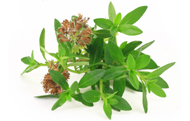
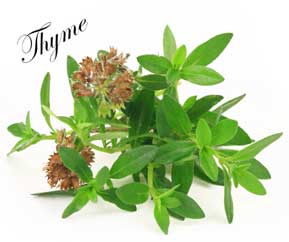
Thyme (Thymus) is a genus of roughly 350 species of aromatic, woody-based, perennial evergreen herbs belonging to the mint family, Lamiaceae. It is widely used in culinary, and for medicinal properties.
Thyme is known for their tiny leaves and earthy, peppery flavour, widely used in cooking (especially Mediterranean), herbal teas, and traditional medicine for their antioxidants and antiseptic properties, with varieties like common and lemon thyme being popular culinary choices.
Thyme are hardy, grow well in sunny spots, and offer benefits for digestion, respiratory health, and as a natural cleanser.
History and Origin
Thyme (Thymus vulgaris) is a fragrant, woody herb native to the Mediterranean region and parts of Eurasia.
Known for its medicinal, culinary, and aromatic uses, it was used by ancient Egyptians for embalming, Greeks for incense, and Romans as a symbol of courage and a culinary spice, spreading throughout Europe, particularly Britain, via Roman conquests.
Thyme has a rich history, used by ancient Egyptians for embalming, Greeks for courage (from the word thymos), and Romans for purifying air and flavouring food, spreading across Europe, symbolizing bravery in medieval times, and featuring in folklore as a fairy plant, valued for its culinary and medicinal properties (antiseptic, cough relief) for millennia.
- • Common Thyme
- • Lemon Thyme
- • Caraway Thyme
- • Orange Thyme
- • French Thyme
- • German Thyme
Thyme varieties range from culinary staples like Common Thyme (Thymus vulgaris) and Lemon Thyme (T. x citriodorus) to ornamental groundcovers like Woolly Thyme (T. pseudolanuginosus) and Creeping Thyme (T. serpyllum), with diverse flavours (caraway, orange) and textures (variegated, silver-edged) offering options for cooking, teas, and rock gardens, often categorized by their growth habit (upright vs. creeping) or scent.
Common Culinary and Flavour Varieties
- Common Thyme (T. vulgaris): The classic, peppery, earthy thyme used in most cooking.
- Lemon Thyme (T. x citriodorus): Strong lemon scent, great with seafood; available in variegated or golden forms.
- Caraway Thyme (T. herba-barona): Distinctive caraway scent, good for meats and as a groundcover.
- Orange Thyme (T. fragrantissimus): Aromatic with orange notes, often used in teas.
- French Thyme: Similar to common thyme but often with more delicate foliage and flowers, used in classic French cooking.
- German Thyme: Another culinary type, often robust for general cooking.
Herbs ” Thyme ” ( Nutritional value )
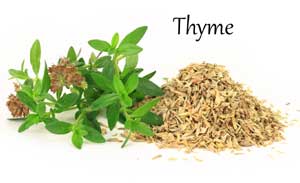
Nutritional Value per 4.3 g – 1 Tablespoon, ground
Thyme, dried
|
Nutrient ( Proximate’s )
|
Unit
|
Value
|
Daily Value %
|
|
Energy
|
kcal
|
12
|
0.6%
|
|
Protein
|
g
|
0.39
|
0.7%
|
|
Total lipid (fat)
|
g
|
0.32
|
0.4%
|
|
Carbohydrate, by difference
|
g
|
2.75
|
1%
|
|
Fiber, total dietary
|
g
|
1.6
|
5.7%
|
|
Total Sugars
|
g
|
0.07
|
|
|
Minerals
|
|||
|
Calcium, Ca
|
mg
|
81
|
6.2%
|
|
Iron, Fe
|
mg
|
5.31
|
29.5%
|
|
Magnesium, Mg
|
mg
|
9
|
2.1%
|
|
Phosphorus, P
|
mg
|
9
|
0.7%
|
|
Potassium, K
|
mg
|
35
|
0.7%
|
|
Sodium, Na
|
mg
|
2
|
.008%
|
|
Zinc, Zn
|
mg
|
0.27
|
2.4%
|
|
Copper, Cu
|
mg
|
0.037
|
4.1%
|
|
Manganese, Mn
|
mg
|
0.338
|
14.6%
|
|
Selenium, Se
|
µg
|
0.2
|
0.3%
|
|
Vitamins
|
|||
|
Vitamin C, total ascorbic acid
|
mg
|
2.2
|
2.4%
|
|
Thiamin (B-1)
|
mg
|
0.022
|
1.8%
|
|
Riboflavin (B-2)
|
mg
|
0.017
|
1.3%
|
|
Niacin (B-3)
|
mg
|
0.212
|
1.3%
|
|
Vitamin (B-6)
|
mg
|
0.024
|
1.4%
|
|
Folate (B-9)
|
µg
|
12
|
3%
|
|
Choline
|
mg
|
1.9
|
0.3% |
|
Vitamin (B-12)
|
µg
|
0.00
|
|
|
Vitamin A, IU
|
IU
|
163
|
18.1%
|
|
Vitamin E (alpha-tocopherol)
|
mg
|
0.32
|
2.1%
|
|
Vitamin D
|
IU
|
0
|
|
|
Vitamin K (phylloquinone)
|
µg
|
73.7
|
61.4%
|
|
Lipids
|
|||
|
Saturated Fatty Acids
|
g
|
0.117
|
0.5%
|
|
Monounsaturated Fatty Acids
|
g
|
0.020
|
|
|
Polyunsaturated Fatty Acids
|
g
|
0.051
|
|
|
Trans Fatty Acids
|
g
|
0.000
|
|
|
Cholesterol
|
mg
|
0
|
|
|
Carotenoids
|
|||
|
Beta-Carotene
|
µg
|
97
|
|
|
Alpha-Carotene
|
µg
|
0
|
|
|
Beta-Cryptoxanthin
|
µg
|
1
|
|
|
Lutein + Zeaxanthin
|
µg
|
81
|
|
Reference Values are based on a 2,000 Calorie Intake, for Adults and Children 4 or More Years of Age. Your daily values may be higher or lower depending on your calorie needs.
Percentages are roughly approximated using (RDA) Recommended Dietary Allowances for adults. Source: USDA United States Department of Agriculture.
Reference Values for Nutrition – National Institutes of Health USA.
Thyme Nutritional Value
Thyme is packed with antioxidants and boasts anti-inflammatory, antimicrobial, and antiseptic properties, making it great for respiratory health (coughs, congestion), digestion (relieving gas), immune support (vitamins A, C, iron), skin issues (acne), and potentially boosting mood and heart health by lowering blood pressure and cholesterol.
Thymes main active compounds, thymol and carvacrol, fight bacteria, fungus, and inflammation, contributing to its broad therapeutic effects.
RESPIRATORY SUPPORT
Thyme is a popular herb for respiratory support, known for its compounds like thymol, which offer expectorant (mucus-clearing), antispasmodic (relieves spasms), and antimicrobial properties, helping ease coughs, bronchitis, and congestion by relaxing airways and fighting germs. It's used in teas, tinctures, or diffused essential oils, providing relief for coughs, colds, and bronchial discomfort by promoting easier breathing and clearing phlegm, though caution is advised for pregnant individuals, young children, and those with hormone-sensitive conditions.ANTIOXIDANT POWERHOUSE
Thyme is widely recognized as an antioxidant powerhouse, largely due to its rich content of beneficial plant compounds like thymol, carvacrol, and various flavonoids and phenolic acids. These compounds help the body combat oxidative stress caused by free radicals, which are linked to cell damage and chronic diseases.SKIN AND HAIR HEALTH
Thyme, primarily in the form of its essential oil, offers various benefits for skin and hair health due to its potent antioxidant, anti-inflammatory, and antimicrobial properties.GREAT DIGESTIVE AID
Thyme is a great digestive aid because its antispasmodic and carminative properties relax intestinal muscles, relieve gas/bloating, stimulate digestive enzymes and bile, and fight harmful gut bacteria, making it good for indigestion, IBS, and general gut harmony, often enjoyed as a tea or added to food.ANTI-INFLAMMATORY
Thyme is known for its anti-inflammatory properties, primarily due to compounds like thymol and carvacrol, which help reduce inflammatory cytokines (like TNF-alpha, IL-6) and boost anti-inflammatory ones, potentially easing conditions from acne and eczema to rheumatoid arthritis (RA) and respiratory issues, by acting as antioxidants and immune modulators, though more human studies are needed. It can be used in teas, topical oils (diluted), or as a seasoning, offering benefits like soothing skin inflammation, reducing respiratory symptoms (like with COVID-19), and providing general immune support.
SIGNIFICANT ANTIMICROBIAL/ANTIFUNGAL PROPERTIES
Thyme, particularly its essential oil rich in thymol and carvacrol, possesses significant antimicrobial and antifungal properties, disrupting microbial cell membranes to kill bacteria and fungi like Candida and Aspergillus, making it a natural agent for infections and food preservation, though its strength requires careful use.SUPPORTS HEART HEALTH
Thyme supports heart health by lowering blood pressure, reducing bad cholesterol, and fighting inflammation, thanks to compounds like thymol and antioxidants that relax blood vessels, improve circulation, and protect heart tissue from oxidative stress, with evidence from animal/human studies suggesting benefits for hypertension and cholesterol management.IMMUNE BOOSTER
Thyme boosts immunity through its rich Vitamin C, antioxidants (like thymol), and antimicrobial compounds, helping fight infections, reduce inflammation, and protect cells from damage, making thyme tea or culinary use great for cold/flu season and general immune support. Its antiviral, antibacterial properties and essential nutrients like Vitamin A, iron, and zinc further strengthen defences, making it a traditional remedy for respiratory and digestive health.SUPPORTS BONE HEALTH
Thyme provides essential minerals (Calcium, Vit K, Mg, Mn, Zn) and its compounds, like thymol, which help prevent bone loss, increase Bone Mineral Density (BMD), reduce inflammation, and combat oxidative stress, making it a promising natural option for osteoporosis prevention.MOOD ENHANCEMENT
Thyme can enhance mood by boosting calming neurotransmitters like serotonin and dopamine, primarily due to its compound carvacrol, which helps reduce stress and anxiety, making thyme tea or aromatherapy with its essential oil great for relaxation and overall well-being. It influences mood through its active ingredients, offering an uplift through its aroma and potential systemic effects when consumed, promoting feelings of courage and calm.
References
Nutrient Database – USDA (United States Department of Agriculture)
Reference Values for Nutrition – National Institutes of Health USA
Respiratory support - Thyme is a popular herb for respiratory support, known for its compounds like thymol, which offer expectorant (mucus-clearing), antispasmodic (relieves spasms), and antimicrobial properties, helping ease coughs, bronchitis, and congestion by relaxing airways and fighting germs. It's used in teas, tinctures, or diffused essential oils, providing relief for coughs, colds, and bronchial discomfort by promoting easier breathing and clearing phlegm, though caution is advised for pregnant individuals, young children, and those with hormone-sensitive conditions.
Antioxidant powerhouse - Thyme is widely recognized as an antioxidant powerhouse, largely due to its rich content of beneficial plant compounds like thymol, carvacrol, and various flavonoids and phenolic acids. These compounds help the body combat oxidative stress caused by free radicals, which are linked to cell damage and chronic diseases.
Immune booster - Thyme boosts immunity through its rich Vitamin C, antioxidants (like thymol), and antimicrobial compounds, helping fight infections, reduce inflammation, and protect cells from damage, making thyme tea or culinary use great for cold/flu season and general immune support. Its antiviral, antibacterial properties and essential nutrients like Vitamin A, iron, and zinc further strengthen defences, making it a traditional remedy for respiratory and digestive health.
Great digestive aid - Thyme is a great digestive aid because its antispasmodic and carminative properties relax intestinal muscles, relieve gas/bloating, stimulate digestive enzymes and bile, and fight harmful gut bacteria, making it good for indigestion, IBS, and general gut harmony, often enjoyed as a tea or added to food.
Anti-inflammatory - Thyme is known for its anti-inflammatory properties, primarily due to compounds like thymol and carvacrol, which help reduce inflammatory cytokines (like TNF-alpha, IL-6) and boost anti-inflammatory ones, potentially easing conditions from acne and eczema to rheumatoid arthritis (RA) and respiratory issues, by acting as antioxidants and immune modulators, though more human studies are needed. It can be used in teas, topical oils (diluted), or as a seasoning, offering benefits like soothing skin inflammation, reducing respiratory symptoms (like with COVID-19), and providing general immune support.
Significant antimicrobial/antifungal properties - Thyme, particularly its essential oil rich in thymol and carvacrol, possesses significant antimicrobial and antifungal properties, disrupting microbial cell membranes to kill bacteria and fungi like Candida and Aspergillus, making it a natural agent for infections and food preservation, though its strength requires careful use.
Supports heart health - Thyme supports heart health by lowering blood pressure, reducing bad cholesterol, and fighting inflammation, thanks to compounds like thymol and antioxidants that relax blood vessels, improve circulation, and protect heart tissue from oxidative stress, with evidence from animal/human studies suggesting benefits for hypertension and cholesterol management, though more research is needed.
Skin and hair health - Thyme, primarily in the form of its essential oil, offers various benefits for skin and hair health due to its potent antioxidant, anti-inflammatory, and antimicrobial properties.
Supports bone health - Thyme supports bone health by providing essential minerals (Calcium, Vit K, Mg, Mn, Zn) and its compounds, like thymol, help prevent bone loss, increase Bone Mineral Density (BMD), reduce inflammation, and combat oxidative stress, making it a promising natural option for osteoporosis prevention, as shown in studies with rats and postmenopausal women.
Mood enhancement - Thyme can enhance mood by boosting calming neurotransmitters like serotonin and dopamine, primarily due to its compound carvacrol, which helps reduce stress and anxiety, making thyme tea or aromatherapy with its essential oil great for relaxation and overall well-being. It influences mood through its active ingredients, offering an uplift through its aroma and potential systemic effects when consumed, promoting feelings of courage and calm.