
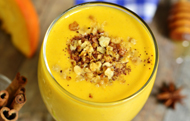

1. Turmeric Facts
2. Types of Turmeric
3. Turmeric Nutritional Value
4. Turmeric Health Benefits
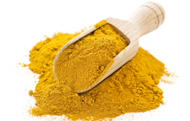
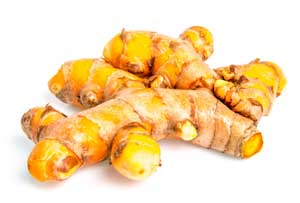
Turmeric is a vibrant, golden-orange spice derived from the rhizome (underground stem) of the Curcuma longa plant, a herbaceous perennial belonging to the ginger family (Zingiberaceae).
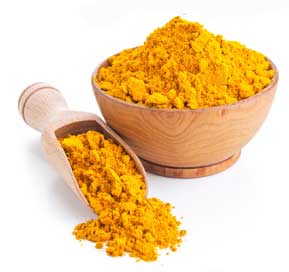
Turmeric has been used for centuries in cooking (especially curry), traditional medicine (Ayurveda), dyeing, and religious ceremonies, prized for its earthy flavour and its main active compound, curcumin, which offers powerful anti-inflammatory and antioxidant benefits.
It's available fresh or dried (powder), and its compounds, especially curcumin, are studied for potential health benefits in conditions like arthritis, metabolic syndrome, and liver health, often enhanced by black pepper.
History and Origin
Turmeric (Curcuma longa) is a 4,000-year-old Indian spice deeply rooted in Vedic culture, utilized in Ayurveda for healing, in cuisine for flavour, and in religious rituals as a sacred powder.
Known as "Indian saffron" due to its brilliant yellow colour, it has historically served as a dye and, through trade routes, spread globally, reaching China by 700 AD.
- • Alleppey (Kerala)
- • Madras (Tamil Nadu)
- • Erode (Tamil Nadu)
- • Sangli (Maharashtra)
- • Nizamabad (Telangana)
- • Lakadong (Meghalaya)
- • Roma & Suroma (Odisha)
- • Waigaon (Maharashtra)
- • Black Turmeric (Curcuma caesia)
- • Wild Turmeric (Curcuma aromatica)
- • Mango Turmeric (Curcuma amada)
Turmeric types vary by region and curcumin content, with Madras (lighter, less curcumin, for colour) and Alleppey (darker, high curcumin, flavourful) being common for cooking, while unique types like Lakadong (highest curcumin) and wild/black turmeric (medicinal/cosmetic) exist, plus fresh/aromatic varieties like Mango Turmeric (Curcuma amada) and Wild Turmeric (Curcuma aromatica) used for specific aromas or cosmetics.
Common Culinary Types (Curcuma longa)
- Alleppey (Kerala): Darker, richer colour, higher curcumin (4-7%) and essential oils, preferred for flavour in the US and internationally.
- Madras (Tamil Nadu): Lighter yellow, lower curcumin (~2%), used for intense colour in curries, mustards, and pickles, popular in the UK/Middle East.
- Erode (Tamil Nadu): High yield, popular market favourite, good curcumin content.
- Sangli (Maharashtra): Commercial variety with moderate curcumin, bright rhizomes.
- Nizamabad (Telangana): Bulbous shape, lower curcumin.
High Curcumin & Specialty Types
- Lakadong (Meghalaya): World-renowned for the highest curcumin (7-9%), excellent for health benefits.
- Roma & Suroma (Odisha): Premium quality with high medicinal value and curcumin.
- Waigaon (Maharashtra): Shade-dried, high curcumin, holds a GI tag.
Other Varieties
- Black Turmeric (Curcuma caesia): A wild variety used more in traditional medicine and dyes than cooking.
- Wild Turmeric (Curcuma aromatica): Distinct aroma, used in cosmetics and traditional remedies.
- Mango Turmeric (Curcuma amada): Known as "Ama Haldi," has a mango-like scent, used fresh or pickled.
How to Choose
- For Flavour and Health: Alleppey, Lakadong, Roma, Suroma.
- For Vibrant Colour: Madras.
- For Traditional Remedies: Black or Wild Turmeric.
Spices ” Turmeric ” ( Nutritional value )
Nutritional value per 3 g – 1 Teaspoon
Spices, turmeric, ground
|
Nutrient ( Proximate’s )
|
Unit
|
Value
|
Daily Value %
|
|
Energy
|
kcal
|
9
|
0.4%
|
|
Protein
|
g
|
0.29
|
0.5%
|
|
Total lipid (fat)
|
g
|
0.10
|
0.1%
|
|
Carbohydrate, by difference
|
g
|
2.01
|
0.7%
|
|
Fiber, total dietary
|
g
|
0.7
|
2.5%
|
|
Sugars, total
|
g
|
0.10
|
|
|
Minerals
|
|||
|
Calcium, Ca
|
mg
|
5
|
0.3%
|
|
Iron, Fe
|
mg
|
1.65
|
9.1%
|
|
Magnesium, Mg
|
mg
|
6
|
1.4%
|
|
Phosphorus, P
|
mg
|
9
|
0.7%
|
|
Potassium, K
|
mg
|
62
|
1.3%
|
|
Sodium, Na
|
mg
|
1
|
.004%
|
|
Zinc, Zn
|
mg
|
0.14
|
1.2%
|
|
Copper, Cu
|
mg
|
0.039
|
4.3%
|
|
Manganese, Mn
|
mg
|
0.594
|
25.8%
|
|
Selenium, Se
|
mcg
|
0.2
|
0.3%
|
|
Vitamins
|
|||
|
Vitamin C, total ascorbic acid
|
mg
|
0.0
|
|
|
Thiamin (B-1)
|
mg
|
0.002
|
0.1%
|
|
Riboflavin (B-2)
|
mg
|
0.004
|
0.3%
|
|
Niacin (B-3)
|
mg
|
0.041
|
0.2%
|
|
Pantothenic acid (B-5)
|
mg
|
0.016
|
0.3%
|
|
Vitamin (B-6)
|
mg
|
0.003
|
0.1%
|
|
Folate (B-9)
|
mcg
|
1
|
0.2%
|
|
Vitamin A, RAE
|
mcg
|
0
|
|
|
Vitamin E (alpha-tocopherol)
|
mg
|
0.13
|
0.8%
|
|
Vitamin K (phylloquinone)
|
mcg
|
0.4
|
0.3%
|
|
Lipids
|
|||
|
Saturated Fatty Acids
|
g
|
0.055
|
0.2%
|
|
Monounsaturated Fatty Acids
|
g
|
0.013
|
|
|
Polyunsaturated Fatty Acids
|
g
|
0.023
|
|
|
Trans Fatty Acids
|
g
|
0.002
|
|
|
Carotenoids
|
|||
|
Beta-Carotene
|
mcg
|
0
|
|
|
Lutein + zeaxanthin
|
mcg
|
0
|
|
Reference Values are based on a 2,000 Calorie Intake, for Adults and Children 4 or More Years of Age. Your daily values may be higher or lower depending on your calorie needs.
Percentages are roughly approximated using (RDA) Recommended Dietary Allowances for adults. Source: USDA United States Department of Agriculture.
Reference Values for Nutrition – FDA U.S. Food and Drug Administration.
Turmeric Nutritional Value
Turmeric is a potent anti-inflammatory and antioxidant spice, largely due to its active compound, curcumin. It helps manage arthritis, improves heart health, aids digestion, and may reduce the risk of chronic diseases like cancer and Alzheimer's by protecting cells from damage. Pair it with black pepper for better absorption.
POTENT ANTI-INFLAMMATORY
Turmeric is a potent anti-inflammatory agent due to its active compound, curcumin, which blocks inflammatory molecules like cytokines and enzymes, making it a popular remedy for arthritis, joint pain, and other chronic conditions, with research suggesting it can be as effective as some NSAIDs, but more studies are needed, and high doses might cause side effects, so consulting a doctor is advised.POWERFUL ANTIOXIDANT
Turmeric is a powerful antioxidant due to its main compound, curcumin, which neutralizes harmful free radicals and reduces oxidative stress, protecting cells from damage linked to chronic diseases like heart disease, arthritis, and some cancers. While adding turmeric to food offers benefits, high-quality supplements with black pepper (piperine) are often needed for significant therapeutic effects, as curcumin's absorption (bioavailability) is low.SKIN HEALTH
Turmeric is good for skin due to its anti-inflammatory and antioxidant properties, which can help treat acne, reduce signs of aging, and soothe irritated skin. It may also help with conditions like eczema and psoriasis and promote wound healing. You can use turmeric in DIY masks or eat it to gain its benefits.ANTI-AGING
Turmeric, specifically its compound curcumin, acts as a natural anti-aging agent by fighting inflammation and oxidative stress, protecting skin from UV damage, boosting collagen, and potentially influencing longevity pathways like mTOR, helping to reduce wrinkles, improve skin tone, and support cellular health, though its low bioavailability requires special formulations for best results.HORMONAL BALANCE
Turmeric, particularly its active compound curcumin, supports hormonal balance through potent anti-inflammatory, antioxidant, and liver-detoxifying actions, helping regulate oestrogen metabolism, ease PMS/menopause symptoms (cramps, mood swings, hot flashes), and address conditions like PCOS by influencing hormone pathways and improving liver function, which is crucial for hormone clearance. It helps bring hormones like oestrogen and androgens back into sync, supporting overall rhythm and gut health, though it's best as a supportive measure, not a cure, and pregnant women should use only food amounts.
HEART HEALTH
Turmeric, specifically its active compound curcumin, shows promise for heart health due to powerful anti-inflammatory and antioxidant effects, potentially improving cholesterol, blood pressure, and endothelial function, but research is mixed and more robust studies are needed; it's best used as a flavour enhancer in cooking, combined with black pepper for absorption, and consulting a doctor before taking supplements is crucial, especially if on blood-thinning medications.DIGESTIVE SUPPORT
Turmeric supports digestive health primarily through its active compound, curcumin, which offers powerful anti-inflammatory and antioxidant benefits, helping calm gut inflammation, soothe symptoms like bloating and acid reflux, improve IBS/IBD symptoms, and support liver function, making it a traditional remedy for various digestive discomforts, often used in teas or meals.BRAIN HEALTH AND FUNCTION
Turmeric's active compound, curcumin, boosts brain health by fighting inflammation, reducing oxidative stress, and supporting key brain chemicals like BDNF, potentially improving memory, mood, and guarding against neurodegeneration (Alzheimer's, stroke effects). Its antioxidant and anti-inflammatory power protects neurons, improves neurogenesis (new brain cells), and helps with conditions like depression, though curcumin's poor absorption needs enhancers like piperine or combination with DHA for best results, requiring more human trials.LIVER PROTECTION
Turmeric, via its active compound curcumin, shows promise for liver health by reducing inflammation and fat, especially in non-alcoholic fatty liver disease (NAFLD), by acting as an antioxidant and boosting detoxification pathways. However, high-dose turmeric supplements can rarely cause liver injury, particularly in those with pre-existing liver issues or on certain medications, so it's crucial to use moderate doses, ensure product quality, and consult a doctor before starting, as evidence is still developing.REDUCES DEPRESSION
Studies suggest that the active compound in turmeric, curcumin, may help reduce symptoms of depression, particularly when used as an adjunct treatment alongside standard therapy. However, it should not replace prescribed treatments.
References
Nutrient Database – USDA (United States Department of Agriculture)
Reference Values for Nutrition – FDA U.S. Food and Drug Administration
Potent anti-inflammatory - Turmeric is a potent anti-inflammatory agent due to its active compound, curcumin, which blocks inflammatory molecules like cytokines and enzymes, making it a popular remedy for arthritis, joint pain, and other chronic conditions, with research suggesting it can be as effective as some NSAIDs, but more studies are needed, and high doses might cause side effects, so consulting a doctor is advised.
Powerful antioxidant - Turmeric is a powerful antioxidant due to its main compound, curcumin, which neutralizes harmful free radicals and reduces oxidative stress, protecting cells from damage linked to chronic diseases like heart disease, arthritis, and some cancers. While adding turmeric to food offers benefits, high-quality supplements with black pepper (piperine) are often needed for significant therapeutic effects, as curcumin's absorption (bioavailability) is low.
Brain health and function - Turmeric's active compound, curcumin, boosts brain health by fighting inflammation, reducing oxidative stress, and supporting key brain chemicals like BDNF, potentially improving memory, mood, and guarding against neurodegeneration (Alzheimer's, stroke effects). Its antioxidant and anti-inflammatory power protects neurons, improves neurogenesis (new brain cells), and helps with conditions like depression, though curcumin's poor absorption needs enhancers like piperine or combination with DHA for best results, requiring more human trials. However, it should not replace prescribed treatments.
Reduces depression - Studies suggest that the active compound in turmeric, curcumin, may help reduce symptoms of depression, particularly when used as an adjunct treatment alongside standard therapy. However, it should not replace prescribed treatments.
Heart health - Turmeric, specifically its active compound curcumin, shows promise for heart health due to powerful anti-inflammatory and antioxidant effects, potentially improving cholesterol, blood pressure, and endothelial function, but research is mixed and more robust studies are needed; it's best used as a flavour enhancer in cooking, combined with black pepper for absorption, and consulting a doctor before taking supplements is crucial, especially if on blood-thinning medications.
Digestive support - Turmeric supports digestive health primarily through its active compound, curcumin, which offers powerful anti-inflammatory and antioxidant benefits, helping calm gut inflammation, soothe symptoms like bloating and acid reflux, improve IBS/IBD symptoms, and support liver function, making it a traditional remedy for various digestive discomforts, often used in teas or meals.
Skin health - Turmeric is good for skin due to its anti-inflammatory and antioxidant properties, which can help treat acne, reduce signs of aging, and soothe irritated skin. It may also help with conditions like eczema and psoriasis and promote wound healing. You can use turmeric in DIY masks or eat it to gain its benefits.
Liver protection - Turmeric, via its active compound curcumin, shows promise for liver health by reducing inflammation and fat, especially in non-alcoholic fatty liver disease (NAFLD), by acting as an antioxidant and boosting detoxification pathways. However, high-dose turmeric supplements can rarely cause liver injury, particularly in those with pre-existing liver issues or on certain medications, so it's crucial to use moderate doses, ensure product quality, and consult a doctor before starting, as evidence is still developing.
Hormonal balance - Turmeric, particularly its active compound curcumin, supports hormonal balance through potent anti-inflammatory, antioxidant, and liver-detoxifying actions, helping regulate oestrogen metabolism, ease PMS/menopause symptoms (cramps, mood swings, hot flashes), and address conditions like PCOS by influencing hormone pathways and improving liver function, which is crucial for hormone clearance. It helps bring hormones like estrogen and androgens back into sync, supporting overall rhythm and gut health, though it's best as a supportive measure, not a cure, and pregnant women should use only food amounts.
Anti-aging - Turmeric, specifically its compound curcumin, acts as a natural anti-aging agent by fighting inflammation and oxidative stress, protecting skin from UV damage, boosting collagen, and potentially influencing longevity pathways like mTOR, helping to reduce wrinkles, improve skin tone, and support cellular health, though its low bioavailability requires special formulations for best results.