


1. Bay Leaf Facts
2. Types of Bay leaves
3. Bay Leaf Nutritional Value
4. Bay Leaf Health Benefits
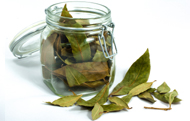
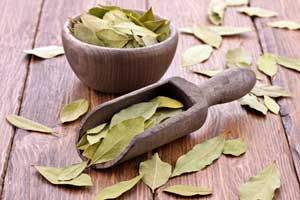
A bay leaf is the aromatic leaf of the bay laurel tree (Laurus nobilis), used fresh or dried to flavour slow-cooked dishes like soups, stews, and sauces, imparting a subtle, floral, and herbal taste, and must be removed before eating as it's tough and can be abrasive. It's a staple in many cuisines, including Mediterranean, Indian (as part of garam masala), and Filipino cooking, and has historical significance in ancient cultures.
History and Origin
Bay leaves originate from the Mediterranean region and Asia Minor, with a rich history dating back over 3,000 years, symbolizing victory, wisdom, and peace in Ancient Greece and Rome, where laurel wreaths crowned heroes and poets; they spread globally through trade, becoming a staple in cuisines worldwide for seasoning soups, stews, and sauces, valued for their unique aroma and subtle flavour.
- • Turkish/Mediterranean Bay (Laurus nobilis)
- • California Bay (Umbellularia californica)
- • Indian Bay Leaf (Cinnamomum tamala)
- • Indonesian Bay Leaf (Syzygium polyanthum)
- • West Indian Bay Leaf (Pimenta racemosa)
- • Mexican Bay Leaf (Litsea glaucescens)
There are several types of bay leaves used in cooking, primarily differentiated by their flavour and origin, with the two main culinary varieties being the Turkish Bay Leaf (Laurus nobilis), known for its subtle, mild, and slightly peppery taste, and the California Bay Leaf (Umbellularia californica), which is more potent, longer, and has a minty or eucalyptus-like flavour. Other notable types include the aromatic Indian Bay Leaf, with cinnamon notes, and the unique West Indian Bay Leaf, used in both food and fragrances like Bay Rum.
Main Culinary Types
- Turkish/Mediterranean Bay (Laurus nobilis)
- Flavour: Subtle, mild, with hints of oregano, thyme, and clove.
- Appearance: Shorter, fatter, oval-shaped leaf.
- Usage: The most common type used when a recipe simply calls for "bay leaf," often dried.
- California Bay (Umbellularia californica)
- Flavour: Stronger, more pungent, with minty, eucalyptus, or menthol notes.
- Appearance: Longer and more slender than Turkish bay.
- Usage: Often sold fresh in the U.S.; its strong flavour can easily overpower dishes.
Other Varieties
- Indian Bay Leaf (Cinnamomum tamala):
- Flavour: Sweeter, with distinct cinnamon and clove aromas.
- Appearance: Can vary but often has a prominent central vein.
- Indonesian Bay Leaf (Syzygium polyanthum):
- Usage: More common in Southeast Asian cuisine, especially with meats.
- West Indian Bay Leaf (Pimenta racemosa):
- Usage: Distinct from culinary bay; used in cooking and essential for making Bay Rum fragrance.
- Mexican Bay Leaf (Litsea glaucescens):
- Another regional variety used in Mexican cuisine.
Spices ” Bay Leaves ” ( Nutritional value )
Nutritional value per 0.6 g – 1 Teaspoon crumbled
Spices, bay leaf
|
Nutrient ( Proximate’s )
|
Unit
|
Value
|
Daily Value %
|
|
Energy
|
kcal
|
2
|
0.1%
|
|
Protein
|
g
|
0.05
|
0.1%
|
|
Total lipid (fat)
|
g
|
0.05
|
.006%
|
|
Carbohydrate, by difference
|
g
|
0.45
|
0.1%
|
|
Fiber, total dietary
|
g
|
0.2
|
0.7%
|
|
Minerals
|
|||
|
Calcium, Ca
|
mg
|
5
|
0.3%
|
|
Iron, Fe
|
mg
|
0.26
|
1.4%
|
|
Magnesium, Mg
|
mg
|
1
|
0.2%
|
|
Phosphorus, P
|
mg
|
1
|
.008%
|
|
Potassium, K
|
mg
|
3
|
.006%
|
|
Sodium, Na
|
mg
|
0
|
|
|
Zinc, Zn
|
mg
|
0.02
|
0.1%
|
|
Copper, Cu
|
mg
|
0.002
|
0.2%
|
|
Manganese, Mn
|
mg
|
0.049
|
2.1%
|
|
Selenium, Se
|
mcg
|
0.0
|
|
|
Vitamins
|
|||
|
Vitamin C, total ascorbic acid
|
mg
|
0.3
|
0.3%
|
|
Thiamin (B-1)
|
mg
|
0.000
|
|
|
Riboflavin (B-2)
|
mg
|
0.003
|
0.2%
|
|
Niacin (B-3)
|
mg
|
0.012
|
.007%
|
|
Vitamin (B-6)
|
mg
|
0.010
|
0.5%
|
|
Folate (B-9)
|
mcg
|
1
|
0.2%
|
|
Vitamin (B-12)
|
mcg
|
0.00
|
|
|
Vitamin A, RAE
|
mcg
|
||
|
Vitamin D (D2 + D3)
|
mcg
|
0
|
|
|
Lipids
|
|||
|
Saturated Fatty Acids
|
g
|
0.014
|
.007%
|
|
Monounsaturated Fatty Acids
|
g
|
0.010
|
|
|
Polyunsaturated Fatty Acids
|
g
|
0.014
|
|
|
Trans Fatty Acids
|
g
|
0.000
|
|
|
Reference Values are based on a 2,000 Calorie Intake, for Adults and Children 4 or More Years of Age. Your daily values may be higher or lower depending on your calorie needs.
|
|
Percentages are roughly approximated using (RDA) Recommended Dietary Allowances for adults. Source: USDA United States Department of Agriculture
|
|
Reference Values for Nutrition – FDA U.S. Food and Drug Administration
|
Bay Leaves Nutritional Value
Bay leaves may support health by providing antioxidants and nutrients, aiding digestion, and helping manage blood sugar levels. They contain antioxidants and vitamins like A, C, and B6, which support the immune system. Additionally, bay leaf tea may help ease digestive issues like bloating and indigestion, while some studies suggest it could help lower blood sugar and cholesterol.
RICH IN ANTIOXIDANTS AND NUTRIENTS
Bay leaves are packed with antioxidants (polyphenols, flavonoids) and essential nutrients like Vitamins A, C, K, B-complex, plus minerals (potassium, magnesium, iron, calcium) that boost immunity, aid digestion, support heart health, help regulate blood sugar, and offer anti-inflammatory benefits, making them a flavourful addition for overall wellness, often used in teas or cooking.SUPPORTS IMMUNE FUNCTION
Bay leaves support immune function by providing immune-boosting nutrients like Vitamins A and C, antioxidants, and anti-inflammatory compounds, which help protect cells, fight infections, and reduce inflammation, contributing to overall body resilience against illness, especially when consumed as a tea or added to meals.AIDS DIGESTION
Bay leaves are traditionally used as a digestive aid to help with issues like indigestion, gas, bloating, and even constipation, by stimulating digestive enzymes, soothing the stomach lining, and providing anti-inflammatory benefits, often prepared as a tea or infusion. While scientifically promising, especially for gut health and metabolism, robust human studies are limited, and always use caution, as eating the whole leaf is unsafe.MANAGES BLOOD SUGAR
Studies suggest bay leaves (Laurus nobilis) can help manage blood sugar, with compounds like flavonoids and tannins potentially improving glucose metabolism and lowering levels in type 2 diabetics, reducing risks for diabetes and heart issues, but it's a complementary aid, not a replacement for medical treatment, requiring doctor consultation due to potential interactions with diabetes meds causing hypoglycaemia.
SUPPORT HEART HEALTH
Bay leaves support heart health by helping to manage cholesterol (lowering LDL, raising HDL), improving blood pressure, and strengthening blood vessels with compounds like rutin and caffeic acid, reducing risks for conditions like atherosclerosis. Research suggests bay leaf consumption can improve lipid profiles, but while studies show promise, they often involve small groups; always remove whole leaves before eating as they are a choking hazard, and consult a doctor for significant health changes.ANTI-INFLAMMATORY AND ANTIMICROBIAL PROPERTIES
Bay leaves (Laurus nobilis) are rich in bioactive compounds like essential oils, tannins, and phenolics, giving them proven antimicrobial (fights bacteria/fungi) and anti-inflammatory (reduces pain/swelling) properties, supported by traditional use and lab studies, though human clinical trials are limited, making them promising for natural medicine, food preservation, and cosmetics, but more research is needed for specific health claims.PROMOTES RELAXATION
Bay leaves are traditionally used to promote relaxation due to compounds like linalool, which has calming effects, and can be incorporated through tea, baths, or placing them near your pillow to ease stress and improve sleep.DIURETIC EFFECTS
Bay leaves possess diuretic properties, meaning they can stimulate urine production, support kidney function, and help reduce water retention, aiding in detoxification and feeling less bloated, often used in teas for these benefits, alongside helping digestion and controlling blood sugar, but large amounts need caution as they can interact with medications and cause side effects.
References
Nutrient Database – USDA (United States Department of Agriculture)
Reference Values for Nutrition – FDA U.S. Food and Drug Administration
Rich in antioxidants and nutrients - Bay leaves are packed with antioxidants (polyphenols, flavonoids) and essential nutrients like Vitamins A, C, K, B-complex, plus minerals (potassium, magnesium, iron, calcium) that boost immunity, aid digestion, support heart health, help regulate blood sugar, and offer anti-inflammatory benefits, making them a flavourful addition for overall wellness, often used in teas or cooking.
Supports immune function - Bay leaves support immune function by providing immune-boosting nutrients like Vitamins A and C, antioxidants, and anti-inflammatory compounds, which help protect cells, fight infections, and reduce inflammation, contributing to overall body resilience against illness, especially when consumed as a tea or added to meals.
Aids digestion - Bay leaves are traditionally used as a digestive aid to help with issues like indigestion, gas, bloating, and even constipation, by stimulating digestive enzymes, soothing the stomach lining, and providing anti-inflammatory benefits, often prepared as a tea or infusion. While scientifically promising, especially for gut health and metabolism, robust human studies are limited, and always use caution, as eating the whole leaf is unsafe.
Manages blood sugar - Studies suggest bay leaves (Laurus nobilis) can help manage blood sugar, with compounds like flavonoids and tannins potentially improving glucose metabolism and lowering levels in type 2 diabetics, reducing risks for diabetes and heart issues, but it's a complementary aid, not a replacement for medical treatment, requiring doctor consultation due to potential interactions with diabetes meds causing hypoglycaemia.
Support heart health - Bay leaves support heart health by helping to manage cholesterol (lowering LDL, raising HDL), improving blood pressure, and strengthening blood vessels with compounds like rutin and caffeic acid, reducing risks for conditions like atherosclerosis. Research suggests bay leaf consumption can improve lipid profiles, but while studies show promise, they often involve small groups; always remove whole leaves before eating as they are a choking hazard, and consult a doctor for significant health changes.
Anti-inflammatory and antimicrobial properties - Bay leaves (Laurus nobilis) are rich in bioactive compounds like essential oils, tannins, and phenolics, giving them proven antimicrobial (fights bacteria/fungi) and anti-inflammatory (reduces pain/swelling) properties, supported by traditional use and lab studies, though human clinical trials are limited, making them promising for natural medicine, food preservation, and cosmetics, but more research is needed for specific health claims.
Promotes relaxation - Bay leaves are traditionally used to promote relaxation due to compounds like linalool, which has calming effects, and can be incorporated through tea, baths, or placing them near your pillow to ease stress and improve sleep.
Diuretic effects - Bay leaves possess diuretic properties, meaning they can stimulate urine production, support kidney function, and help reduce water retention, aiding in detoxification and feeling less bloated, often used in teas for these benefits, alongside helping digestion and controlling blood sugar, but large amounts need caution as they can interact with medications and cause side effects.