




1. Black Bean Facts
2. Types of Black Beans
3. Black Bean Nutritional Value
4. Black Bean Health Benefits
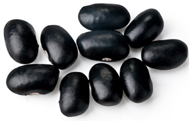
Black beans, also known as black turtle beans (Phaseolus vulgaris), are a variety of the common bean and are a staple in many cuisines, especially Mexican and Brazilian. They are known for their oval shape, black colour, and mild, slightly sweet flavour. Black beans are highly nutritious, providing significant amounts of protein, iron, and dietary fiber. They can be purchased dried or canned and are used in a wide variety of dishes, such as soups, salads, burritos, and chili.
History and Origin
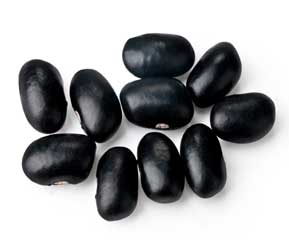
Black turtle beans originated in Mesoamerica (Central and South America) over 7,000 years ago and became a staple food there. They are a type of common bean, Phaseolus vulgaris, and were introduced to the United States in the mid-1800s. The name "turtle bean" comes from their hard, shiny, black "shell" that helps them retain their shape when cooked.
Common black beans sold in Australia are black turtle beans (Phaseolus vulgaris), often sold cooked and canned, and black mungbeans (also called black gram), which are available for culinary use and sprouting. Another type, the Black Bean tree (Castanospermum australe), is a native Australian tree that produces seeds but is not typically eaten, as the seeds are toxic.
Edible black beans
- Black turtle beans: These are the most common type of black beans found in grocery stores, often sold dried or canned and ready to eat. They are a staple in many cuisines, including Latin American, and are used in dishes like chilli, burritos, and salads.
- Black mungbeans: These are widely grown and sold in Australia, available for a variety of uses including cooking and sprouting. They are a type of black gram that can be used in many dishes.
The Black Bean tree
- Castanospermum australe: This is a native Australian tree also known as the "Black Bean" or Moreton Bay Chestnut. It is a large tree that produces large, toxic seeds and is not grown for food, but is valued as a shade tree and for its ability to stabilize stream banks.
Legumes ” Black Bean ” ( Nutritional value )
Nutritional Value per 100 g
Beans, black, mature seeds, cooked, boiled, with salt
|
Nutrient ( Proximate’s )
|
Unit
|
Value
|
Daily Value %
|
|
Energy
|
kcal
|
132
|
6.6%
|
|
Protein
|
g
|
8.86
|
17.7%
|
|
Total lipid (fat)
|
g
|
0.54
|
0.6%
|
|
Carbohydrate, by difference
|
g
|
23.71
|
8.6%
|
|
Fiber, total dietary
|
g
|
8.7
|
31%
|
|
Total Sugars
|
g
|
0.32
|
|
|
Minerals
|
|||
|
Calcium, Ca
|
mg
|
27
|
2%
|
|
Iron, Fe
|
mg
|
2.10
|
11.6%
|
|
Magnesium, Mg
|
mg
|
70
|
16.6%
|
|
Phosphorus, P
|
mg
|
140
|
11.2%
|
|
Potassium, K
|
mg
|
355
|
7.5%
|
|
Sodium, Na
|
mg
|
237
|
10.3%
|
|
Zinc, Zn
|
mg
|
1.12
|
10.1%
|
|
Copper, Cu
|
mg
|
0.209
|
23.2%
|
|
Manganese, Mn
|
mg
|
0.444
|
19.3%
|
|
Selenium, Se
|
mcg
|
1.2
|
2.1%
|
|
Vitamins
|
|||
|
Vitamin C, total ascorbic acid
|
mg
|
0.0
|
|
|
Thiamin (B-1)
|
mg
|
0.244
|
20.3%
|
|
Riboflavin (B-2)
|
mg
|
0.059
|
4.5%
|
|
Niacin (B-3)
|
mg
|
0.505
|
3.1%
|
|
Pantothenic acid (B-5)
|
mg
|
0.242
|
18.6%
|
|
Vitamin (B-6)
|
mg
|
0.069
|
4%
|
|
Folate (B-9)
|
mcg
|
149
|
37.2%
|
|
Choline
|
mg
|
32.6
|
5.8% |
|
Vitamin (B-12)
|
mcg
|
0.00
|
|
|
Vitamin A, RAE
|
mcg
|
||
|
Vitamin E (alpha-tocopherol)
|
mg
|
0.87
|
5.8%
|
|
Vitamin D (D2 + D3)
|
mcg
|
0
|
|
|
Vitamin K (phylloquinone)
|
mcg
|
3.3
|
2.7%
|
|
Lipids
|
|||
|
Saturated Fatty Acids
|
g
|
0.139
|
0.6%
|
|
Monounsaturated Fatty Acids
|
g
|
0.047
|
|
|
Polyunsaturated Fatty Acids
|
g
|
0.231
|
|
|
Trans Fatty Acids
|
g
|
0.000
|
|
|
Cholesterol
|
mg
|
0
|
|
|
Reference Values are based on a 2,000 Calorie Intake, for Adults and Children 4 or More Years of Age. Your daily values may be higher or lower depending on your calorie needs.
|
|
Percentages are roughly approximated using (RDA) Recommended Dietary Allowances for adults. Source: USDA United States Department of Agriculture
|
|
Reference Values for Nutrition – FDA U.S. Food and Drug Administration
|
Black Beans Nutritional Value
Black beans offer significant health benefits, including providing fiber, protein, and essential vitamins and minerals. They are known to support digestive health, help with weight management, and promote heart health by lowering blood pressure and cholesterol. Black beans are also rich in antioxidants that protect against cell damage and may reduce the risk of certain chronic diseases.
DIGESTIVE HEALTH
Black beans benefit digestive health by providing a type of fiber called resistant starch, which acts as a prebiotic and feeds beneficial gut bacteria. This fermentation process creates short-chain fatty acids that improve gut health, can help reduce inflammation, and may improve blood sugar management. Black beans also provide other fibers, such as soluble and insoluble fiber, and help eliminate waste.SUPPORT WEIGHT MANAGEMENT
Black beans support weight management due to their high fiber and protein content, which increase fullness and reduce overall calorie intake. They also have a low glycaemic index, helping to regulate blood sugar, and their protein aids in building muscle, which can boost metabolism. This combination of factors makes black beans a nutrient-dense food that can help with both weight loss and long-term weight maintenance.SUPPORT HEART HEALTH
Black beans support heart health by lowering cholesterol and blood pressure, which reduces the risk of cardiovascular disease. They are rich in fiber, potassium, magnesium, and antioxidants, which help manage blood vessel function and inflammation. Consuming black beans can also help manage weight, as they are a low-glycaemic index food that promotes fullness.RICH IN ANTIOXIDANTS
Black beans are rich in antioxidants, particularly anthocyanins, which protect cells from damage caused by free radicals. These antioxidants can help reduce inflammation and lower the risk of chronic diseases like heart disease, cancer, and type 2 diabetes.
GREAT SOURCE OF PROTEIN
Black beans are a great source of protein, providing about 15grams per cup when cooked, and are a valuable part of a healthy diet. They are particularly important for vegetarian and vegan diets as a source of plant-based protein, containing essential amino acids like lysine. Black beans also offer high fiber, iron, and various vitamins and minerals, contributing to good health. Black beans are a great source of protein, which is crucial for building and repairing muscle.HIGH ANTIOXIDANT CONTENT
Black beans have a high antioxidant content, particularly from anthocyanins, which are the pigments responsible for their dark colour. These antioxidants protect the body from cell damage caused by free radicals and may help lower the risk of chronic diseases like heart disease, type 2 diabetes, and certain cancers.BLOOD SUGAR CONTROL
Black beans help control blood sugar due to their high fiber, protein, and antioxidants, which slow glucose absorption and improve insulin sensitivity. They are a low-glycaemic index (GI) food that promotes a slow, steady rise in blood sugar and can be a healthy swap for refined carbohydrates.NUTRIENT-DENSE
Black beans are a nutrient-dense food because they are low in fat and calories while being rich in fiber, protein, and essential vitamins and minerals. They are an excellent source of folate and are also packed with iron, magnesium, phosphorus, potassium, and various antioxidants like anthocyanins. This combination makes them beneficial for heart health, gut health, and bone health, among other benefits.
References
Nutrient Database – USDA (United States Department of Agriculture)
Reference Values for Nutrition – FDA U.S. Food and Drug Administration
Digestive health - Black beans benefit digestive health by providing a type of fiber called resistant starch, which acts as a prebiotic and feeds beneficial gut bacteria. This fermentation process creates short-chain fatty acids that improve gut health, can help reduce inflammation, and may improve blood sugar management. Black beans also provide other fibers, such as soluble and insoluble fiber, and help eliminate waste.
Support weight management - Black beans support weight management due to their high fiber and protein content, which increase fullness and reduce overall calorie intake. They also have a low glycaemic index, helping to regulate blood sugar, and their protein aids in building muscle, which can boost metabolism. This combination of factors makes black beans a nutrient-dense food that can help with both weight loss and long-term weight maintenance.
Support heart health - Black beans support heart health by lowering cholesterol and blood pressure, which reduces the risk of cardiovascular disease. They are rich in fiber, potassium, magnesium, and antioxidants, which help manage blood vessel function and inflammation. Consuming black beans can also help manage weight, as they are a low-glycaemic index food that promotes fullness.
Rich in Antioxidants - Black beans are rich in antioxidants, particularly anthocyanins, which protect cells from damage caused by free radicals. These antioxidants can help reduce inflammation and lower the risk of chronic diseases like heart disease, cancer, and type 2 diabetes.
Nutrient-dense - Black beans are a nutrient-dense food because they are low in fat and calories while being rich in fiber, protein, and essential vitamins and minerals. They are an excellent source of folate and are also packed with iron, magnesium, phosphorus, potassium, and various antioxidants like anthocyanins. This combination makes them beneficial for heart health, gut health, and bone health, among other benefits.
Great source of protein - Black beans are a great source of protein, providing about 15grams per cup when cooked, and are a valuable part of a healthy diet. They are particularly important for vegetarian and vegan diets as a source of plant-based protein, containing essential amino acids like lysine. Black beans also offer high fiber, iron, and various vitamins and minerals, contributing to good health. Black beans are a great source of protein, which is crucial for building and repairing muscle.
High antioxidant content - Black beans have a high antioxidant content, particularly from anthocyanins, which are the pigments responsible for their dark colour. These antioxidants protect the body from cell damage caused by free radicals and may help lower the risk of chronic diseases like heart disease, type 2 diabetes, and certain cancers.
Blood sugar control - Black beans help control blood sugar due to their high fiber, protein, and antioxidants, which slow glucose absorption and improve insulin sensitivity. They are a low-glycaemic index (GI) food that promotes a slow, steady rise in blood sugar and can be a healthy swap for refined carbohydrates.