




1. Broadbean Facts
2. Types of Broadbean's
3. Broadbean Nutritional Value
4. Broadbean Health Benefits
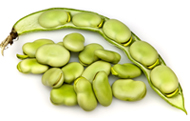
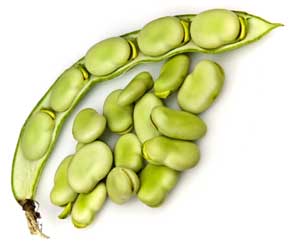
Broad beans, also known as fava beans, are ancient legumes that have been cultivated for thousands of years and are a good source of fiber and protein. They are nitrogen-fixing plants that improve soil fertility and are often grown in the autumn and winter due to their cold tolerance.
History and Origin
Broad beans, or fava beans, are one of the oldest cultivated plants, originating in the Near East and likely spreading from the Mediterranean region. They were domesticated as early as 10,000 years ago, with evidence of their cultivation found at Neolithic sites in Israel, and they spread to Europe by the end of the Bronze Age. Historically, broad beans were a vital protein source in the Middle Ages and were cultivated for their ability to fix nitrogen and grow in various climates.
- • Medium-seeded
- • Larger-seeded
- • Regional varieties
Common broad bean varieties grown and sold in Australia include Fiesta (medium-seeded), PBA Rana (larger-seeded), and Farah and Nura (which are suited for southern growing regions). Larger-seeded types like PBA Rana are often preferred for international markets, while medium-seeded types like Fiesta are also very common.
Common varieties by size and use
- Medium-seeded: Varieties like Fiesta are traditional and widely grown, with market appeal depending on seed size and colour uniformity.
- Larger-seeded: Varieties such as PBA Rana are developed for the larger-seeded faba bean market, which is also in high demand.
- Regional varieties: Specific varieties like Farah, Nura, PBA Warda, and Doza are developed to suit particular growing regions, such as the northern and southern areas of Australia.
Other faba bean varieties
- While not as common for export, some smaller-seeded varieties like Fiord and Ascot were grown in the past but are now considered less desirable for the main market.
- There are also specific varieties like Super Aquadulce and Sutton that are popular for home gardeners, especially for autumn planting.
Legumes ” Broadbean ” ( Nutritional value )
Nutritional Value per 100 g
Broadbeans (fava beans), mature seeds, cooked, boiled, with salt
|
Nutrient ( Proximate’s )
|
Unit
|
Value
|
Daily Value %
|
|
Energy
|
kcal
|
110
|
5.5%
|
|
Protein
|
g
|
7.60
|
15.2%
|
|
Total lipid (fat)
|
g
|
0.40
|
0.5%
|
|
Carbohydrate, by difference
|
g
|
19.65
|
7.1%
|
|
Fiber, total dietary
|
g
|
||
|
Total Sugars
|
g
|
1.82
|
|
|
Minerals
|
|||
|
Calcium, Ca
|
mg
|
36
|
2.7%
|
|
Iron, Fe
|
mg
|
1.50
|
8.3%
|
|
Magnesium, Mg
|
mg
|
43
|
10.2%
|
|
Phosphorus, P
|
mg
|
125
|
10%
|
|
Potassium, K
|
mg
|
268
|
5.7%
|
|
Sodium, Na
|
mg
|
241
|
10.4%
|
|
Zinc, Zn
|
mg
|
1.01
|
9.1%
|
|
Copper, Cu
|
mg
|
0.259
|
28.7%
|
|
Manganese, Mn
|
mg
|
0.421
|
18.3%
|
|
Selenium, Se
|
mcg
|
2.6
|
4.7%
|
|
Vitamins
|
|||
|
Vitamin C, total ascorbic acid
|
mg
|
0.3
|
0.3%
|
|
Thiamin (B-1)
|
mg
|
0.097
|
8%
|
|
Riboflavin (B-2)
|
mg
|
0.089
|
6.8%
|
|
Niacin (B-3)
|
mg
|
0.711
|
4.4%
|
|
Pantothenic acid (B-5)
|
mg
|
0.157
|
3.1%
|
|
Vitamin (B-6)
|
mg
|
0.072
|
4.2%
|
|
Folate (B-9)
|
mcg
|
104
|
26%
|
|
Choline
|
mg
|
30.6
|
5.5% |
|
Vitamin (B-12)
|
mcg
|
0.00
|
|
|
Vitamin A, RAE
|
mcg
|
||
|
Vitamin E (alpha-tocopherol)
|
mg
|
0.02
|
0.1%
|
|
Vitamin D (D2 + D3)
|
mcg
|
0.0
|
|
|
Vitamin D
|
mcg
|
0
|
|
|
Vitamin K (phylloquinone)
|
µg
|
2.9
|
2.4%
|
|
Lipids
|
|||
|
Saturated Fatty Acids
|
g
|
0.066
|
0.3%
|
|
Monounsaturated Fatty Acids
|
g
|
0.079
|
|
|
Polyunsaturated Fatty Acids
|
g
|
0.164
|
|
|
Trans Fatty Acids
|
g
|
0.000
|
|
|
Cholesterol
|
mg
|
0
|
|
|
Carotenoids
|
|||
|
Beta-Carotene
|
mcg
|
9
|
|

|
Reference Values are based on a 2,000 Calorie Intake, for Adults and Children 4 or More Years of Age. Your daily values may be higher or lower depending on your calorie needs.
|
|
Percentages are roughly approximated using (RDA) Recommended Dietary Allowances for adults. Source: USDA United States Department of Agriculture
|
|
Reference Values for Nutrition – FDA U.S. Food and Drug Administration
|
Broadbeans (fava beans) Nutritional Value
Broad beans, or fava beans, offer numerous health benefits due to their rich content of fiber, protein, vitamins, and minerals. They support digestive health, bone health, and weight management by providing fiber and protein. Additionally, they contain antioxidants and L-dopa, which may improve mood, support brain function, and help manage symptoms of diseases like Parkinson's. They are also heart-healthy, with no cholesterol or saturated fat, and can help regulate blood sugar levels.
STRENGTHEN YOUR BONES
Broad beans strengthen bones by providing minerals like magnesium, manganese, and copper, which are essential for bone density and structure. Magnesium aids in calcium absorption, while manganese and copper support collagen production for joint flexibility and bone integrity. These nutrients help maintain strong bones and may reduce the risk of osteoporosis.MANAGES BLOOD SUGAR
Broad beans help manage blood sugar because of their high fiber, protein, and low glycaemic index, which leads to a slower release of glucose and prevents spikes. The fiber and protein also slow carbohydrate absorption, leading to better overall blood sugar control.HEART-HEALTHY
Broad beans are heart-healthy due to their high fiber, magnesium, and potassium content, which help lower cholesterol, regulate blood pressure, and relax blood vessels. The soluble fiber binds to cholesterol, aiding in its removal from the body, while magnesium and potassium work to reduce strain on the heart by promoting smooth blood flow.CONTAINS L-DOPA
Broad beans contain high levels of L-DOPA, a precursor to dopamine that has been studied for its potential to help manage Parkinson's disease and mood disorders like depression. While beneficial for some, this high content means individuals taking monoamine oxidase inhibitors (MAOIs) should avoid them to prevent dangerous increases in blood pressure. Consult a healthcare provider before making any dietary changes, especially if on medication.AIDS PARKINSON'S SYMPTOMS
Broad beans may help with Parkinson's symptoms because they naturally contain levodopa (L-dopa), the same compound in Parkinson's medication. While some studies have shown they can temporarily improve motor function, they should not be used as a substitute for prescription medication and can pose risks like drug interactions, flatulence, and favism (hemolytic anemia) in individuals with a genetic G6PD deficiency.
DIGESTIVE HEALTH
Broad beans support digestive health by being a good source of dietary fiber, which promotes regularity and healthy gut flora. This fiber content can aid in preventing digestive issues like bloating and constipation by feeding beneficial bacteria and improving bowel movements. However, due to their high content of certain complex carbohydrates (FODMAPs), some people, particularly those with Irritable Bowel Syndrome (IBS), may experience bloating and gas, so they should be consumed with caution by individuals with digestive sensitivities.BOOSTS ANTIOXIDANTS
Broad beans boost antioxidants due to their rich content of phenolic compounds like flavonoids, tannins, and lignans, which are natural antioxidants that help combat free radicals in the body. Regular consumption of these compounds can help protect against cellular aging and chronic diseases.DELAY OF CELLULAR AGING
Broad beans may help delay cellular aging due to their antioxidant properties, specifically a water-soluble protein and methanolic extracts, which can combat oxidative stress and boost antioxidant levels in cells. These components can help scavenge free radicals and influence the balance of glutathione, an important cellular antioxidant, potentially leading to increased cell growth and a delay in senescence.NATURALLY GLUTEN-FREE
Broad beans are gluten-free because they are a legume, a type of plant that does not naturally contain the gluten proteins found in wheat, barley, and rye. Gluten is a protein complex found in certain grains, and since broad beans are not grains, they are naturally gluten-free.RICH IN VITAMINS AND MINERALS
Broad beans are rich in vitamins and minerals, including folate (vitamin B9), iron, magnesium, potassium, copper, and zinc. They also provide B vitamins, vitamin C, and vitamin K, which support various bodily functions from the immune system to bone health. This makes them a nutritious choice for overall health.
References
Nutrient Database – USDA (United States Department of Agriculture)
Reference Values for Nutrition – FDA U.S. Food and Drug Administration
Digestive health - Broad beans support digestive health by being a good source of dietary fiber, which promotes regularity and healthy gut flora. This fiber content can aid in preventing digestive issues like bloating and constipation by feeding beneficial bacteria and improving bowel movements. However, due to their high content of certain complex carbohydrates (FODMAPs), some people, particularly those with Irritable Bowel Syndrome (IBS), may experience bloating and gas, so they should be consumed with caution by individuals with digestive sensitivities.
Manages blood sugar - Broad beans help manage blood sugar because of their high fiber, protein, and low glycaemic index, which leads to a slower release of glucose and prevents spikes. The fiber and protein also slow carbohydrate absorption, leading to better overall blood sugar control.
Heart-healthy - Broad beans are heart-healthy due to their high fiber, magnesium, and potassium content, which help lower cholesterol, regulate blood pressure, and relax blood vessels. The soluble fiber binds to cholesterol, aiding in its removal from the body, while magnesium and potassium work to reduce strain on the heart by promoting smooth blood flow.
Contains L-dopa - Broad beans contain high levels of L-DOPA, a precursor to dopamine that has been studied for its potential to help manage Parkinson's disease and mood disorders like depression. While beneficial for some, this high content means individuals taking monoamine oxidase inhibitors (MAOIs) should avoid them to prevent dangerous increases in blood pressure. Consult a healthcare provider before making any dietary changes, especially if on medication.
Aids Parkinson's symptoms - Broad beans may help with Parkinson's symptoms because they naturally contain levodopa (L-dopa), the same compound in Parkinson's medication. While some studies have shown they can temporarily improve motor function, they should not be used as a substitute for prescription medication and can pose risks like drug interactions, flatulence, and favism (hemolytic anemia) in individuals with a genetic G6PD deficiency.
Boosts antioxidants - Broad beans boost antioxidants due to their rich content of phenolic compounds like flavonoids, tannins, and lignans, which are natural antioxidants that help combat free radicals in the body. Regular consumption of these compounds can help protect against cellular aging and chronic diseases.
Strengthen your bones - Broad beans strengthen bones by providing minerals like magnesium, manganese, and copper, which are essential for bone density and structure. Magnesium aids in calcium absorption, while manganese and copper support collagen production for joint flexibility and bone integrity. These nutrients help maintain strong bones and may reduce the risk of osteoporosis.
Delay of cellular aging - Broad beans may help delay cellular aging due to their antioxidant properties, specifically a water-soluble protein and methanolic extracts, which can combat oxidative stress and boost antioxidant levels in cells. These components can help scavenge free radicals and influence the balance of glutathione, an important cellular antioxidant, potentially leading to increased cell growth and a delay in senescence.
Naturally gluten-free - Broad beans are gluten-free because they are a legume, a type of plant that does not naturally contain the gluten proteins found in wheat, barley, and rye. Gluten is a protein complex found in certain grains, and since broad beans are not grains, they are naturally gluten-free.
Rich in vitamins and minerals - Broad beans are rich in vitamins and minerals, including folate (vitamin B9), iron, magnesium, potassium, copper, and zinc. They also provide B vitamins, vitamin C, and vitamin K, which support various bodily functions from the immune system to bone health. This makes them a nutritious choice for overall health.