




1. Navy Bean Facts
2. Types of Navy Beans
3. Navy Bean Nutritional Value
4. Navy Bean Health Benefits
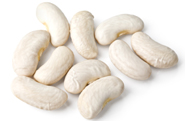
Navy beans, also known as haricot beans or pea beans, are small, white, and oval-shaped legumes known for their mild flavour and smooth texture. They get their name from being a staple food in the United States Navy during the 19th century. Navy beans are extremely versatile and a good source of protein, fiber, and various nutrients, commonly used in baked beans, soups, and salads.
History and Origin
Navy beans got their name because they were a staple food in the United States Navy, which served them to sailors from the mid-1800s due to their long shelf life, nutritional value, and low cost. These small white beans are a cultivar of the common bean (Phaseolus vulgaris) which is native to the Americas.
Types of navy beans
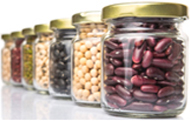
While "navy bean" is a general term for a small white bean, there are specific cultivars (types) with different traits, such as 'Robust', 'Michelite', 'Sanilac', and 'Rainy River'. These cultivars are distinguished by characteristics like disease resistance, yield, and growth habit.
Common cultivars
- Robust: A cultivar known for its resistance to the common mosaic virus, which can spread through seeds.
- Michelite: This type was developed from the 'Robust' cultivar, offering higher yields and improved seed quality.
- Sanilac: The first navy bean cultivar that grows like a bush, making it different from vining types.
- Rainy River: Another named cultivar, though specific details on its unique traits are less commonly cited.
Legumes ” Navy Bean ” ( Nutritional value )
Nutritional Value per 100 g
Beans, navy, mature seeds, cooked, boiled, with salt
|
Nutrient ( Proximate’s )
|
Unit
|
Value
|
Daily Value %
|
|
Energy
|
kcal
|
140
|
7%
|
|
Protein
|
g
|
8.23
|
16.4%
|
|
Total lipid (fat)
|
g
|
0.62
|
0.7%
|
|
Carbohydrate, by difference
|
g
|
26.05
|
9.4%
|
|
Fiber, total dietary
|
g
|
10.5
|
37.5%
|
|
Total Sugars
|
g
|
0.37
|
|
|
Minerals
|
|||
|
Calcium, Ca
|
mg
|
69
|
5.3%
|
|
Iron, Fe
|
mg
|
2.36
|
13.1%
|
|
Magnesium, Mg
|
mg
|
53
|
12.6%
|
|
Phosphorus, P
|
mg
|
144
|
11.5%
|
|
Potassium, K
|
mg
|
389
|
8.2%
|
|
Sodium, Na
|
mg
|
237
|
10.3%
|
|
Zinc, Zn
|
mg
|
1.03
|
9.3%
|
|
Copper, Cu
|
mg
|
0.210
|
23.3%
|
|
Manganese, Mn
|
mg
|
0.527
|
22.9%
|
|
Selenium, Se
|
mcg
|
2.9
|
5.2%
|
|
Vitamins
|
|||
|
Vitamin C, total ascorbic acid
|
mg
|
0.9
|
1%
|
|
Thiamin (B-1)
|
mg
|
0.237
|
19.7%
|
|
Riboflavin (B-2)
|
mg
|
0.066
|
5%
|
|
Niacin (B-3)
|
mg
|
0.649
|
4%
|
|
Pantothenic acid (B-5)
|
mg
|
0.266
|
5.3%
|
|
Vitamin (B-6)
|
mg
|
0.138
|
8.1%
|
|
Folate (B-9)
|
mcg
|
140
|
35%
|
|
Choline
|
mg
|
44.7
|
8% |
|
Vitamin (B-12)
|
mcg
|
0.00
|
|
|
Vitamin A, RAE
|
mcg
|
0
|
|
|
Vitamin E (alpha-tocopherol)
|
mg
|
0.01
|
0.06%
|
|
Gamma Tocopherol
|
mg
|
1.28
|
|
|
DeltaTocopherol
|
mg
|
0.09
|
|
|
Vitamin D (D2 + D3)
|
mcg
|
0
|
|
|
Vitamin K (phylloquinone)
|
mcg
|
0.6
|
0.5%
|
|
Lipids
|
|||
|
Saturated Fatty Acids
|
g
|
0.032
|
0.1%
|
|
Monounsaturated Fatty Acids
|
g
|
0.046
|
|
|
Polyunsaturated Fatty Acids
|
g
|
0.159
|
|
|
Trans Fatty Acids
|
g
|
0.000
|
|
|
Cholesterol
|
mg
|
0
|
|
|
Carotenoids
|
|||
|
Beta-Carotene
|
mcg
|
0
|
|

|
Reference Values are based on a 2,000 Calorie Intake, for Adults and Children 4 or More Years of Age. Your daily values may be higher or lower depending on your calorie needs.
|
|
Percentages are roughly approximated using (RDA) Recommended Dietary Allowances for adults. Source: USDA United States Department of Agriculture
|
|
Reference Values for Nutrition – FDA U.S. Food and Drug Administration
|
Navy Beans Nutritional Value
Navy beans offer significant health benefits due to their high fiber content, rich B-vitamin profile (especially folate and thiamin), and abundant minerals like iron, magnesium, and potassium. They support digestive, cardiovascular, and brain health while also providing plant-based protein and antioxidants.
DIGESTIVE HEALTH
Navy beans support digestive health by providing both soluble and insoluble fiber, which aids in regularity and promotes a healthy gut microbiome. They are rich in resistant starch, a type of fiber that acts as a prebiotic, feeding beneficial gut bacteria, and can help produce anti-inflammatory short-chain fatty acids. Rinsing canned navy beans and cooking them thoroughly is recommended to improve digestibility and reduce gas.RICH SOURCE OF PLANT-BASED PROTEIN
Navy beans are an excellent source of plant-based protein, providing about 15 grams per cooked cup, along with high fiber and essential micronutrients like iron, folate, magnesium, and potassium. They are a heart-healthy, low-fat option, especially beneficial for vegetarians and vegans to meet their protein and nutrient needs.BOOSTS COGNITIVE FUNCTION
Navy beans boost cognitive function due to their high content of B vitamins like folate and compounds such as phosphatidylserine, which are crucial for brain health, memory, and nerve cell communication. These nutrients help improve memory, may reduce the risk of cognitive decline, and support the function of key neurotransmitters.ANTI-INFLAMMATORY EFFECTS
Navy beans have anti-inflammatory effects primarily due to their high fiber content, which supports a healthy gut microbiome, and other nutrients like antioxidants and flavonoids, such as apigenin. This combination helps reduce chronic inflammation and may improve gut health by nourishing beneficial gut bacteria.
VARIETY OF ANTIOXIDANTS
Navy beans contain a variety of antioxidants, including flavonoids and phenolic acids, which help protect the body from oxidative stress and may reduce the risk of chronic diseases like heart disease and certain cancers. These antioxidants are a type of phytochemical found in the beans that contribute to their overall health benefits, along with their high levels of fiber and plant-based protein.SUPPORT HEART HEALTH
Navy beans support heart health by providing high amounts of fiber, magnesium, folate, and other nutrients that can help lower bad cholesterol, regulate blood pressure, and reduce inflammation. Their high fiber content is especially beneficial for lowering LDL cholesterol, while magnesium helps maintain a healthy heartbeat and normal blood pressure. The folate in navy beans can help lower homocysteine, an amino acid linked to a higher risk of heart disease.PROVIDES ESSENTIAL MINERALS
Navy beans provide a wide array of essential minerals, including significant amounts of copper, manganese, iron, phosphorus, magnesium, and zinc. They are also a good source of potassium and contribute smaller amounts of calcium and selenium. These minerals support various bodily functions, such as energy production, oxygen transport, and nerve function.GOOD SOURCE OF B VITAMINS
Navy beans are a good source of B vitamins, particularly B1 (thiamin) and B9 (folate). They also contain other B vitamins like B2, B3, B5, and B6, though in smaller amounts.
References
Nutrient Database – USDA (United States Department of Agriculture)
Reference Values for Nutrition – FDA U.S. Food and Drug Administration
Digestive health - Navy beans support digestive health by providing both soluble and insoluble fiber, which aids in regularity and promotes a healthy gut microbiome. They are rich in resistant starch, a type of fiber that acts as a prebiotic, feeding beneficial gut bacteria, and can help produce anti-inflammatory short-chain fatty acids. Rinsing canned navy beans and cooking them thoroughly is recommended to improve digestibility and reduce gas.
Support heart health - Navy beans support heart health by providing high amounts of fiber, magnesium, folate, and other nutrients that can help lower bad cholesterol, regulate blood pressure, and reduce inflammation. Their high fiber content is especially beneficial for lowering LDL cholesterol, while magnesium helps maintain a healthy heartbeat and normal blood pressure. The folate in navy beans can help lower homocysteine, an amino acid linked to a higher risk of heart disease.
Boosts cognitive function - Navy beans boost cognitive function due to their high content of B vitamins like folate and compounds such as phosphatidylserine, which are crucial for brain health, memory, and nerve cell communication. These nutrients help improve memory, may reduce the risk of cognitive decline, and support the function of key neurotransmitters.
Anti-inflammatory effects - Navy beans have anti-inflammatory effects primarily due to their high fiber content, which supports a healthy gut microbiome, and other nutrients like antioxidants and flavonoids, such as apigenin. This combination helps reduce chronic inflammation and may improve gut health by nourishing beneficial gut bacteria.
Variety of antioxidants - Navy beans contain a variety of antioxidants, including flavonoids and phenolic acids, which help protect the body from oxidative stress and may reduce the risk of chronic diseases like heart disease and certain cancers. These antioxidants are a type of phytochemical found in the beans that contribute to their overall health benefits, along with their high levels of fiber and plant-based protein.
Rich source of plant-based protein - Navy beans are an excellent source of plant-based protein, providing about 15 grams per cooked cup, along with high fiber and essential micronutrients like iron, folate, magnesium, and potassium. They are a heart-healthy, low-fat option, especially beneficial for vegetarians and vegans to meet their protein and nutrient needs.
Provides essential minerals - Navy beans provide a wide array of essential minerals, including significant amounts of copper, manganese, iron, phosphorus, magnesium, and zinc. They are also a good source of potassium and contribute smaller amounts of calcium and selenium. These minerals support various bodily functions, such as energy production, oxygen transport, and nerve function.
Good source of B vitamins - Navy beans are a good source of B vitamins, particularly B1 (thiamin) and B9 (folate). They also contain other B vitamins like B2, B3, B5, and B6, though in smaller amounts.