


1. Pinto Bean Facts
2. Types of Pinto Beans
3. Pinto Bean Nutritional Value
4. Pinto Bean Health Benefits
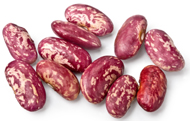
Pinto beans are a type of medium-sized, oval-shaped legume known for their pinkish-brown, speckled appearance, which turns creamy and pinkish-brown when cooked. They are a staple in Mexican, Tex-Mex, and Southwestern cuisine, often used in dishes like refried beans, chili, soups, and salads. They are also an excellent source of fiber, protein, and essential nutrients like folate.
History and Origin
Pinto beans originated in the Peruvian highlands and Mexico, where they were domesticated by ancient peoples thousands of years ago and spread throughout the Americas by migrating tribes. Spanish explorers brought them to Europe in the 15th century, after which they were traded to Africa and Asia. The name "pinto" is Spanish for "speckled," referring to the bean's mottled appearance when raw.
While many varieties exist, commercially sold pinto beans in Australia are generally marketed as a single product, described as medium to large, tan or hazelnut-coloured beans with streaks that turn pink when cooked. Some specific heirloom varieties, such as Crow River Pinto and Willmar Pinto, can be purchased as seeds for home growing.
Commercially available pinto beans
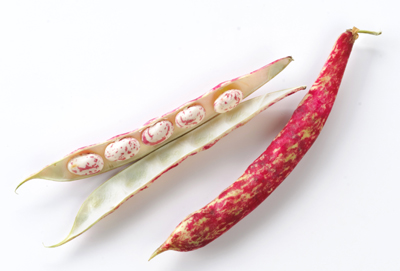
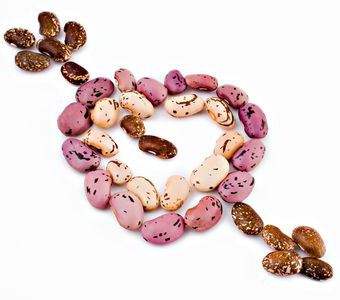
- Appearance: These beans are often described as having a tan or hazelnut colour with streaks of red, magenta, or black.
- Colour change: When cooked, the speckled colour fades and the beans turn a soft pink colour.
- Availability: They are widely sold by brands like McKenzie's Foods, Clean Pantry, and Harris Farm Markets.
- Origin: Products are often labelled as 100% Australian grown, non-GMO.
Heirloom and specialty seeds
- Crow River Pinto: A specific heirloom variety grown in Australia that is a "bush bean" with speckled pods and is known for being highly productive.
- Willmar Pinto: Another specific variety available as a seed in Tasmania. It is a semi-trailing bush bean.
- Availability: These are not typically sold dried in supermarkets but are available from specialty seed suppliers for home gardeners.
Legumes ” Pinto Bean ” ( Nutritional value )
Nutritional Value per 100 g
Beans, pinto, mature seeds, cooked, boiled, with salt
|
Nutrient ( Proximate’s )
|
Unit
|
Value
|
Daily Value %
|
|
Energy
|
kcal
|
143
|
7.1%
|
|
Protein
|
g
|
9.01
|
18%
|
|
Total lipid (fat)
|
g
|
0.65
|
0.8%
|
|
Carbohydrate, by difference
|
g
|
26.22
|
9.5%
|
|
Fiber, total dietary
|
g
|
9.0
|
32.1%
|
|
Total Sugars
|
g
|
0.34
|
|
|
Minerals
|
|||
|
Calcium, Ca
|
mg
|
46
|
3.5%
|
|
Iron, Fe
|
mg
|
2.09
|
11.6%
|
|
Magnesium, Mg
|
mg
|
50
|
11.9%
|
|
Phosphorus, P
|
mg
|
147
|
11.7%
|
|
Potassium, K
|
mg
|
436
|
9.2%
|
|
Sodium, Na
|
mg
|
238
|
10.3%
|
|
Zinc, Zn
|
mg
|
0.98
|
8.9%
|
|
Copper, Cu
|
mg
|
0.219
|
24.3%
|
|
Manganese, Mn
|
mg
|
0.453
|
19.6%
|
|
Selenium, Se
|
mcg
|
6.2
|
11.2%
|
|
Vitamins
|
|||
|
Vitamin C, total ascorbic acid
|
mg
|
0.8
|
0.8%
|
|
Thiamin (B-1)
|
mg
|
0.193
|
16%
|
|
Riboflavin (B-2)
|
mg
|
0.062
|
4.7%
|
|
Niacin (B-3)
|
mg
|
0.318
|
1.9%
|
|
Pantothenic acid (B-5)
|
mg
|
0.210
|
4.2%
|
|
Vitamin (B-6)
|
mg
|
0.229
|
13.4%
|
|
Folate (B-9)
|
mcg
|
172
|
43%
|
|
Vitamin (B-12)
|
mcg
|
0.00
|
|
|
Vitamin A, RAE
|
mcg
|
0
|
|
|
Vitamin E (alpha-tocopherol)
|
mg
|
0.94
|
6.2%
|
|
Vitamin D (D2 + D3)
|
mcg
|
0
|
|
|
Vitamin K (phylloquinone)
|
mcg
|
3.5
|
2.9%
|
|
Lipids
|
|||
|
Saturated Fatty Acids
|
g
|
0.109
|
0.5%
|
|
Monounsaturated Fatty Acids
|
g
|
0.106
|
|
|
Polyunsaturated Fatty Acids
|
g
|
0.188
|
|
|
Trans Fatty Acids
|
g
|
0.000
|
|
|
Cholesterol
|
mg
|
0
|
|
|
Carotenoids
|
|||
|
Beta-Carotene
|
mcg
|
0
|
|
|
Reference Values are based on a 2,000 Calorie Intake, for Adults and Children 4 or More Years of Age. Your daily values may be higher or lower depending on your calorie needs.
|
|
Percentages are roughly approximated using (RDA) Recommended Dietary Allowances for adults. Source: USDA United States Department of Agriculture
|
|
Reference Values for Nutrition – FDA U.S. Food and Drug Administration
|
Pinto Beans Nutritional Value
Pinto beans are highly nutritious, providing protein, fiber, and essential vitamins and minerals like folate, iron, and magnesium. They offer several health benefits, including supporting digestive and heart health, helping to regulate blood sugar levels, and providing antioxidants that may reduce the risk of chronic diseases.
IMPROVED HEART HEALTH
Pinto beans improve heart health by lowering total and LDL ("bad") cholesterol, which reduces the risk of coronary heart disease. They also help lower blood pressure, and their high fiber and protein content promotes fullness, which can aid in weight management, a key factor in cardiovascular health.SUPPORTS BONE HEALTH
Pinto beans support bone health by providing essential minerals like magnesium, phosphorus, and calcium. They also contain other bone-supporting nutrients such as potassium, copper, and protein. While they offer numerous benefits, it's important to be aware that beans contain phytates, which can interfere with calcium absorption, though soaking them before cooking can help reduce this effect.AIDS DIGESTION
Pinto beans aid digestion by providing high fiber, which adds bulk to stool and prevents constipation, and by acting as a prebiotic for beneficial gut bacteria. However, their complex carbohydrates, such as oligosaccharides and raffinose, can cause gas and bloating in some people because they are fermented in the large intestine by gut bacteria. To improve digestibility, soaking and thoroughly rinsing dry beans before cooking can help reduce these effects.RICH IN MACRONUTRIENTS
Pinto beans are rich in macronutrients, being a great source of protein and complex carbohydrates, while containing minimal fat. A standard serving provides a significant amount of fiber, along with plant-based protein that can be complemented by grains to create a complete protein.
ANTIOXIDANT-RICH
Pinto beans are rich in antioxidants like polyphenols and flavonoids, such as kaempferol, which protect cells from damage by free radicals and may help reduce the risk of chronic diseases like cancer and heart disease. These antioxidants also have anti-inflammatory properties and are associated with benefits like improved heart and blood sugar control.BLOOD SUGAR CONTROL
Pinto beans help control blood sugar due to their high fiber and protein content, which slows down the digestion and absorption of carbohydrates, leading to a slow and steady release of energy. They have a low glycaemic index (GI), meaning they cause a gradual rise in blood sugar rather than a rapid spike. This makes them a beneficial addition to the diet, particularly for managing diabetes.HIGH IN FIBER
Pinto beans are high in fiber, with one cup of cooked pinto beans containing about 15 grams, which is more than half the recommended daily value. This fiber aids in digestion, helps you feel full, and can contribute to heart and blood sugar health.WEIGHT MANAGEMENT
Pinto beans can aid weight management due to their high content of protein and fiber, which promotes fullness and helps control appetite. This combination of nutrients, along with being low in calories, can lead to a higher feeling of satiety, potentially reducing overall calorie intake and helping with weight loss and fat reduction. Studies have linked regular bean consumption to a lower body weight and reduced belly fat
References
Nutrient Database – USDA (United States Department of Agriculture)
Reference Values for Nutrition – FDA U.S. Food and Drug Administration
Rich in macronutrients - Pinto beans are rich in macronutrients, being a great source of protein and complex carbohydrates, while containing minimal fat. A standard serving provides a significant amount of fiber, along with plant-based protein that can be complemented by grains to create a complete protein.
High in fiber - Pinto beans are high in fiber, with one cup of cooked pinto beans containing about 15 grams, which is more than half the recommended daily value. This fiber aids in digestion, helps you feel full, and can contribute to heart and blood sugar health.
Antioxidant-rich - Pinto beans are rich in antioxidants like polyphenols and flavonoids, such as kaempferol, which protect cells from damage by free radicals and may help reduce the risk of chronic diseases like cancer and heart disease. These antioxidants also have anti-inflammatory properties and are associated with benefits like improved heart and blood sugar control.
Improved heart health - Pinto beans improve heart health by lowering total and LDL ("bad") cholesterol, which reduces the risk of coronary heart disease. They also help lower blood pressure, and their high fiber and protein content promotes fullness, which can aid in weight management, a key factor in cardiovascular health.
Blood sugar control - Pinto beans help control blood sugar due to their high fiber and protein content, which slows down the digestion and absorption of carbohydrates, leading to a slow and steady release of energy. They have a low glycaemic index (GI), meaning they cause a gradual rise in blood sugar rather than a rapid spike. This makes them a beneficial addition to the diet, particularly for managing diabetes.
Aids digestion - Pinto beans aid digestion by providing high fiber, which adds bulk to stool and prevents constipation, and by acting as a prebiotic for beneficial gut bacteria. However, their complex carbohydrates, such as oligosaccharides and raffinose, can cause gas and bloating in some people because they are fermented in the large intestine by gut bacteria. To improve digestibility, soaking and thoroughly rinsing dry beans before cooking can help reduce these effects.
Supports bone health - Pinto beans support bone health by providing essential minerals like magnesium, phosphorus, and calcium. They also contain other bone-supporting nutrients such as potassium, copper, and protein. While they offer numerous benefits, it's important to be aware that beans contain phytates, which can interfere with calcium absorption, though soaking them before cooking can help reduce this effect.
Weight management - Pinto beans can aid weight management due to their high content of protein and fiber, which promotes fullness and helps control appetite. This combination of nutrients, along with being low in calories, can lead to a higher feeling of satiety, potentially reducing overall calorie intake and helping with weight loss and fat reduction. Studies have linked regular bean consumption to a lower body weight and reduced belly fat.