
1. Beef Types
2. Beef Cuts and Produce Australia
3. Australian Beef Industry Overview
4. Beef Nutritional Value
5. Beef Health Benefits
Beef is the culinary term for the meat from cattle (cows, bulls, steers), known for its rich protein, iron, and B vitamins, prepared as steaks, roasts, or ground meat like burgers, with its name stemming from Old French words for cattle, historically used by Norman conquerors for the meat while Anglo-Saxons used English terms for the living animal.
History and Origin
Beef's origin traces back to prehistoric hunts of wild aurochs, the ancestor of cattle, with domestication occurring 10,000-8,000 years ago in the Near East and India, leading to distinct taurine (European) and indicine (Asian) cattle lines, with beef consumption evolving from ritualistic feasting to a global staple, influencing culture and language (like "beef" from French bœuf) as it spread with human migration and agriculture.
- • T-Bone
- • Strip Loin
- • Tender Loin
- • But Fillet
- • Top Side (Inside)
- • Silver Side (Outside)
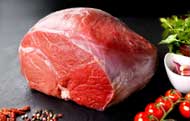
- • Round
- • Rump
- • Skirt Steak
- • Spare Ribs
- • Chuck
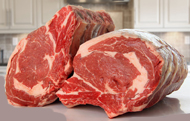
- • Cube Roll (Scotch Fillet)
- • Bone In Blade
- • Clod - Boneless Blade
- • Oyster Blade
- • Brisket
- • Rolled Brisket
- • Shin Meat
- • Shin, Bone In (Osso Bucco)
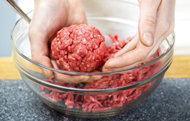
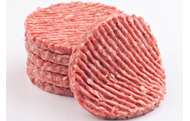
- • Mince
- • Diced Beef
- • Liver
- • Tongue
- • Oxtail
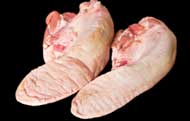
- • Tripe
- • Heart
- • Kidneys
Australian Beef Industry Overview
Australia's beef industry is a global powerhouse, ranking as the world's second-largest exporter, known for high-quality grass-fed, grain fed, Wagyu, and Angus beef, supplying over 100 countries with significant exports to Asia and the US. The industry relies heavily on exports (over 60% of production), with strong domestic consumption, but is influenced by weather, trade agreements, and global demand shifts.
Common Australian beef cuts and uses
For Grilling/Steaks
- Scotch Fillet (Cube Roll/Ribeye): Marbled, juicy steak.
- Porterhouse (Striploin/Sirloin): Good flavour, popular for steaks.
- Rump Steak: Rich flavour, great for grilling.
- Eye Fillet (Tenderloin): Most tender, buttery.
- T-Bone: Combines tenderloin and strip loin.
- Flat Iron Steak: From the shoulder, tender and flavourful.
For Slow Cooking/Roasting
- Brisket: Point or navel end, ideal for shredding after braising.
- Chuck/Blade: Chuck roll or oyster blade, great for casseroles.
- Shin/Shank (Osso Buco): Rich in connective tissue, perfect for slow, wet cooking.
- Silverside/Topside: Leaner cuts, good for roasting or corned beef.
Other Popular Cuts
- Flank/Skirt: Great for stir-fries or quick searing.
- Short Ribs: From the rib section, great for slow cooking.
- Beef Cheek: Rich and gelatinous when slow-cooked.
Meats "Beef" (Nutritional Value)
Nutritional Value per 100 g
Beef, round steak, boneless, trimmed 0 Fat, cooked grilled
|
Nutrient ( Proximate’s )
|
Unit
|
Value
|
Daily Value %
|
|
Energy
|
kcal
|
187
|
9.3%
|
|
Protein
|
g
|
28.83
|
57.6%
|
|
Total lipid (fat)
|
g
|
7.1
|
9.1%
|
|
Carbohydrate, by difference
|
g
|
0.00
|
|
|
Fiber, total dietary
|
g
|
0.0
|
|
|
Sugars, total
|
g
|
0.00
|
|
|
Minerals
|
|||
|
Calcium, Ca
|
mg
|
18
|
1.3%
|
|
Iron, Fe
|
mg
|
3.12
|
17.3%
|
|
Magnesium, Mg
|
mg
|
16
|
3.8%
|
|
Phosphorus, P
|
mg
|
294
|
23.5%
|
|
Potassium, K
|
mg
|
417
|
8.8%
|
|
Sodium, Na
|
mg
|
379
|
16.4%
|
|
Zinc, Zn
|
mg
|
4.93
|
44.8%
|
|
Copper, Cu
|
mg
|
0.064
|
7.1%
|
| Choline, total |
mg
|
86.4
|
15.5% |
|
Selenium, Se
|
mcg
|
29.5
|
53.6%
|
|
Vitamins and other nutrients
|
|||
|
Vitamin C, total ascorbic acid
|
mg
|
0.0
|
|
|
Thiamin (B-1)
|
mg
|
0.035
|
2.9%
|
|
Riboflavin (B-2)
|
mg
|
0.314
|
24.1%
|
|
Niacin (B-3)
|
mg
|
8.598
|
53.7%
|
| Pantothenic acid (B5) |
mg
|
||
|
Vitamin B-6
|
mg
|
0.845
|
49.7%
|
|
Vitamin B-12
|
mg
|
2.19
|
91.2%
|
|
Folate (B-9)
|
mcg
|
5
|
1.2% |
|
Vitamin A, RAE
|
mcg
|
5
|
0.5% |
|
Vitamin E (alpha-tocopherol)
|
mg
|
0.87
|
5.8% |
| Vitamin D (D2 + D3) |
mcg
|
0
|
|
|
Vitamin K (phylloquinone)
|
mcg
|
4.3
|
3.5%
|
|
Lipids
|
|||
|
Saturated Fatty Acids
|
g
|
2.118
|
10.5%
|
|
Monounsaturated Fatty Acids
|
g
|
3.24
|
|
|
Polyunsaturated Fatty Acids
|
g
|
1.462
|
|

|
Reference Values are based on a 2,000 Calorie Intake, for Adults and Children 4 or More Years of Age. Your daily values may be higher or lower depending on your calorie needs.
|
|
Percentages are roughly approximated using (RDA) Recommended Dietary Allowances for adults. Source: USDA United States Department of Agriculture
|
|
Reference Values for Nutrition – National Institutes of Health USA
|
Beef Nutritional Value
Beef offers significant health benefits as a rich source of complete protein, essential minerals (iron, zinc, phosphorus, selenium), and B vitamins (B12, B6, niacin) crucial for energy, immunity, brain & muscle function, and preventing deficiencies, particularly iron-deficiency anaemia. Lean cuts provide highly absorbable heme iron, support weight management, and contain healthy monounsaturated fats, while grass-fed beef adds antioxidants like Vitamin E, making it a nutrient-dense addition to a balanced diet.
IRON AND HEALTH
Beef is an excellent source of highly absorbable heme iron, crucial for oxygen transport via haemoglobin, fighting fatigue, and supporting energy and immune function, alongside other vital nutrients like protein, zinc, and B vitamins, making it effective for preventing deficiencies, especially for women and those needing more iron.IMMUNE FUNCTION
Beef supports immune function by providing crucial nutrients like zinc, which activates immune cells; iron, vital for oxygenating tissues; protein, essential for building immune cells; and antioxidants (especially in grass-fed beef like Vitamins A & E) that combat damaging oxidative stress, helping your body fight infections and repair tissue effectively.VITAMINS AND MINERALS
Beef is a nutritional powerhouse, supplying vital minerals like iron, zinc, phosphorus, and selenium, alongside essential B vitamins such as B12, B6, and niacin (B3), all crucial for energy, immunity, nerve function, and building strong tissues, with its heme iron being highly absorbable and B12 uniquely supporting brain health.HEALTHY FATS
Beef provides healthy fats like monounsaturated fats (similar to olive oil) and beneficial omega-3s, especially in grass-fed varieties, supporting heart and brain health while reducing inflammation, alongside protein, iron, zinc, and B vitamins for energy, immunity, and muscle repair, with grass-fed beef offering more omega-3s, CLA (Conjugated Linoleic Acid), and antioxidants. Choosing leaner cuts or grass-fed options enhances these benefits, balancing essential nutrients with overall diet for better health.BRAIN AND MUSCLE
Beef supports brain and muscle health by providing high-quality protein for repair, essential B vitamins (like B12, B6) for nerve function and mood, iron for oxygen transport, zinc for neurotransmitters, and choline for memory, along with omega-3s and creatine; these nutrients are vital for energy, cognitive performance, growth, and maintaining physical function, though moderation and preparation (avoiding high-heat charring) are key for overall wellness.
HIGH-QUALITY PROTEIN
Beef's high-quality protein provides all essential amino acids for muscle repair, growth, and function, supporting athletes, aging adults, and weight management by promoting fullness and preserving lean mass.HIGHLY ABSORBABLE ZINC
Highly absorbable zinc - Beef is an excellent source of highly absorbable zinc, crucial for a strong immune system, wound healing, metabolism, fertility, and cell growth, contributing significantly to daily needs due to its high bioavailability compared to plant sources. This essential mineral supports overall function, helping with DNA synthesis, blood sugar control, and even skin and hair health, making beef a key player in nutrient intake.WEIGHT MANAGEMENT
Lean beef supports weight management by promoting fullness (satiety) due to its high protein content, which helps control appetite, preserves muscle mass during calorie reduction, boosts metabolism, and provides essential nutrients like B vitamins, iron, and zinc, crucial for energy and body composition. Choosing lean cuts (sirloin, tenderloin, round) and incorporating it into a balanced diet with whole foods aids in weight loss and maintenance.LOW-CARB DIETS
Beef is excellent for low-carb diets like keto because it's naturally very low in carbs and packed with high-quality protein for muscle, healthy fats for energy, and essential nutrients like iron, zinc, B vitamins, and creatine, all crucial for energy, immunity, and satiety, while grass-fed beef offers more beneficial Omega-3s. It helps you stay full and meet nutrient needs often missed when cutting carbs, supporting fat loss and overall vitality, though moderation is key, and those with conditions like hemochromatosis should be cautious with iron intake.GRASS-FED ADVANTAGE
Grass-fed beef offers superior health benefits over grain-fed, primarily due to its richer profile of anti-inflammatory omega-3s, beneficial Conjugated Linoleic Acid (CLA), antioxidants (like vitamins A & E), and minerals, promoting heart, brain, and immune health while being leaner and often lower in unhealthy fats, making it a nutrient-dense choice.
References
Nutrient Database – USDA (United States Department of Agriculture)
Reference Values for Nutrition – FDA U.S. Food and Drug Administration
High-quality protein - Beef's high-quality protein provides all essential amino acids for muscle repair, growth, and function, supporting athletes, aging adults, and weight management by promoting fullness and preserving lean mass.
Iron and health - Beef is an excellent source of highly absorbable heme iron, crucial for oxygen transport via haemoglobin, fighting fatigue, and supporting energy and immune function, alongside other vital nutrients like protein, zinc, and B vitamins, making it effective for preventing deficiencies, especially for women and those needing more iron.
Highly absorbable zinc - Beef is an excellent source of highly absorbable zinc, crucial for a strong immune system, wound healing, metabolism, fertility, and cell growth, contributing significantly to daily needs due to its high bioavailability compared to plant sources. This essential mineral supports overall function, helping with DNA synthesis, blood sugar control, and even skin and hair health, making beef a key player in nutrient intake.
Immune function - Beef supports immune function by providing crucial nutrients like zinc, which activates immune cells; iron, vital for oxygenating tissues; protein, essential for building immune cells; and antioxidants (especially in grass-fed beef like Vitamins A & E) that combat damaging oxidative stress, helping your body fight infections and repair tissue effectively.
Vitamins and minerals - Beef is a nutritional powerhouse, supplying vital minerals like iron, zinc, phosphorus, and selenium, alongside essential B vitamins such as B12, B6, and niacin (B3), all crucial for energy, immunity, nerve function, and building strong tissues, with its heme iron being highly absorbable and B12 uniquely supporting brain health.
Healthy fats - Beef provides healthy fats like monounsaturated fats (similar to olive oil) and beneficial omega-3s, especially in grass-fed varieties, supporting heart and brain health while reducing inflammation, alongside protein, iron, zinc, and B vitamins for energy, immunity, and muscle repair, with grass-fed beef offering more omega-3s, CLA (Conjugated Linoleic Acid), and antioxidants. Choosing leaner cuts or grass-fed options enhances these benefits, balancing essential nutrients with overall diet for better health.
Brain and muscle - Beef supports brain and muscle health by providing high-quality protein for repair, essential B vitamins (like B12, B6) for nerve function and mood, iron for oxygen transport, zinc for neurotransmitters, and choline for memory, along with omega-3s and creatine; these nutrients are vital for energy, cognitive performance, growth, and maintaining physical function, though moderation and preparation (avoiding high-heat charring) are key for overall wellness.
Weight management - Lean beef supports weight management by promoting fullness (satiety) due to its high protein content, which helps control appetite, preserves muscle mass during calorie reduction, boosts metabolism, and provides essential nutrients like B vitamins, iron, and zinc, crucial for energy and body composition. Choosing lean cuts (sirloin, tenderloin, round) and incorporating it into a balanced diet with whole foods aids in weight loss and maintenance.
Low-carb diets - Beef is excellent for low-carb diets like keto because it's naturally very low in carbs and packed with high-quality protein for muscle, healthy fats for energy, and essential nutrients like iron, zinc, B vitamins, and creatine, all crucial for energy, immunity, and satiety, while grass-fed beef offers more beneficial Omega-3s. It helps you stay full and meet nutrient needs often missed when cutting carbs, supporting fat loss and overall vitality, though moderation is key, and those with conditions like hemochromatosis should be cautious with iron intake.
Grass-fed advantage - Grass-fed beef offers superior health benefits over grain-fed, primarily due to its richer profile of anti-inflammatory omega-3s, beneficial Conjugated Linoleic Acid (CLA), antioxidants (like vitamins A & E), and minerals, promoting heart, brain, and immune health while being leaner and often lower in unhealthy fats, making it a nutrient-dense choice.