

1. Lamb Types
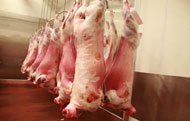
2. Lamb Cuts and Produce Australia
3. Australian Lamb Industry Overview
4. Lamb Nutritional Value
5. Lamb Health Benefits
Lamb is meat from a young sheep, typically under one year old, known for its tenderness and mild flavor, differentiating it from the stronger, gamier taste of mutton (meat from older sheep). It's a popular red meat, rich in nutrients like Vitamin B12, iron, and zinc, and is enjoyed globally in various culinary preparations.
History and Origin
Lamb's history dates back over 10,000 years to the Middle East, where wild mouflon were domesticated for meat, milk, and skins, becoming one of humanity's first livestock and spreading globally; it's a deeply symbolic food, featured in religious rites (like Passover/Easter) and celebrations, evolving from ancient necessity to a delicacy enjoyed worldwide, especially in Mediterranean and British cultures.
- • Legs (mixed)
- • Leg Cuts Boned
- • Loins
- • Loin Chops
- • Striploins (backstraps)
- • Cutlets
- • Racks (cutlet racks)
- • Tenderloins
- • Forequarters (mixed)
- • Forequarter Chops
- • Chump
- • Chump Chops
- • Shanks
- • Brisket (flaps)
- • Neck
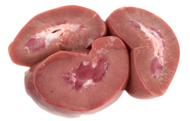
- • Offal
Australian Lamb Industry Overview
Australia's lamb industry is a major agricultural sector, known for high-quality, pasture-raised lamb, strong domestic demand (consuming ~35% of production), and significant global exports, making it a world leader in sheep meat trade, driven by growing international markets, though facing seasonal challenges and flock adjustments for sustainable supply. Key features include a focus on meat production (not just wool), heavy carcase weights, innovative finishing (like grain), and resilience despite weather fluctuations, with China, the US, and Malaysia being top export destinations.
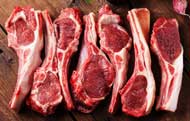
Australian lamb offers diverse cuts, from quick-cooking chops (loin, cutlets, rump) for grilling/pan-frying to flavourful, tough cuts (shoulder, shank, neck) perfect for slow-cooking stews and roasts, with the versatile leg suitable for both roasting and stewing/dicing, catering to various cooking methods and preferences.
For Quick Cooking (Grill, Pan-Fry, Sear)
- Loin Chops/Cutlets: Tender, quick-cooking, great for high-heat searing, grilling, or pan-frying.
- Rump: Prime, tender muscle, ideal for grilling or barbecuing as steaks or a whole roast.
- Backstrap/Sirloin: Very tender, fast cooking; great marinated and seared or skewered.
For Roasting (Centrepiece)
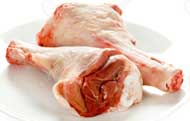
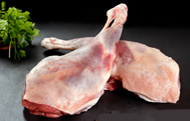
- Leg of Lamb: Highly versatile, lean, flavourful; perfect bone-in or boneless for roasting as a Sunday centrepiece.
- Rack of Lamb: Rib bones with eye muscle; elegant, tender, best roasted to showcase its quality.
For Slow Cooking (Braising, Stewing, Casseroles)
- Shoulder: Economical, full of flavour but tough; needs long, slow, moist cooking (stews, casseroles, roasts) to become tender.
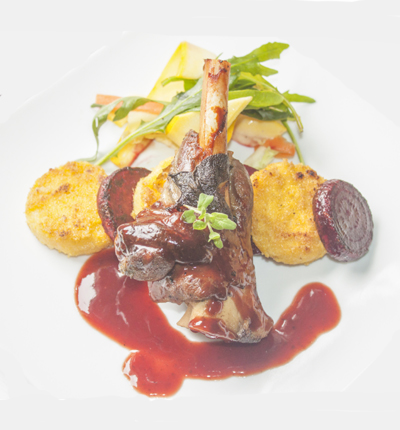
- Shanks: Affordable, packed with collagen; become fall-apart tender when braised or stewed.
- Neck: Rich in collagen, inexpensive; excellent for stews, curries, and slow braises for a silky texture.
- Forequarter Chops: From shoulder/neck; large, economical, best slow cooked in moist dishes like hot pots.
For Other Uses
- Diced Lamb: Can be cut from boneless leg or shoulder for curries, casseroles, and slow cookers.
- Ground Lamb: Often from shoulder; great for meatballs, burgers, or koftas.
Meats ” Lamb ” ( Nutritional value )
Nutritional value per 100 g
Lamb, New Zealand, imported, frozen, composite of trimmed retail cuts, separable lean and fat, trimmed to 1/8 mm fat, cooked.
|
Nutrient ( Proximate’s )
|
Unit
|
Value
|
Daily Value %
|
|
Energy
|
kcal
|
270
|
1.1%
|
|
Protein
|
g
|
25.3
|
50.6%
|
|
Total lipid (fat)
|
g
|
18
|
6.4%
|
|
Carbohydrate, by difference
|
g
|
0.00
|
|
|
Fiber, total dietary
|
g
|
0.0
|
|
|
Sugars, total
|
g
|
0.00
|
|
|
Minerals
|
|||
|
Calcium, Ca
|
mg
|
15
|
1.1%
|
|
Iron, Fe
|
mg
|
2.08
|
11.5%
|
|
Magnesium, Mg
|
mg
|
19
|
4.5%
|
|
Phosphorus, P
|
mg
|
211
|
16.8%
|
|
Potassium, K
|
mg
|
161
|
3.4%
|
|
Sodium, Na
|
mg
|
46
|
2%
|
|
Zinc, Zn
|
mg
|
3.61
|
32.8%
|
|
Copper, Cu
|
mg
|
0.102
|
11.3%
|
|
Manganese, Mn
|
mg
|
0.023
|
1%
|
|
Selenium, Se
|
mcg
|
2
|
3.6%
|
|
Vitamins
|
|||
|
Vitamin C, total ascorbic acid
|
mg
|
0.0
|
|
|
Thiamin (B-1)
|
mg
|
0.11
|
9.1%
|
|
Riboflavin (B-2)
|
mg
|
0.41
|
31.5%
|
|
Niacin (B-3)
|
mg
|
7.31
|
45.6%
|
|
Pantothenic acid (B-5)
|
mg
|
0.53
|
10.6%
|
|
Vitamin B-6
|
mg
|
0.11
|
6.4%
|
|
Vitamin B-12
|
mg
|
2.71
|
112.9%
|
|
Folate (B-9)
|
mcg
|
1
|
0.2%
|
|
Vitamin A, RAE
|
mcg
|
||
|
Vitamin E (alpha-tocopherol)
|
mg
|
||
|
Vitamin D
|
mcg
|
||
|
Vitamin K (phylloquinone)
|
mcg
|
||
|
Lipids
|
|||
|
Saturated Fatty Acids
|
g
|
8.76
|
43.8%
|
|
Monounsaturated Fatty Acids
|
g
|
6.96
|
|
|
Polyunsaturated Fatty Acids
|
g
|
0.88
|
|
|
Cholesterol
|
mg
|
106
|
|
|
Foot Notes
|
|||
|
Lamb retail cuts - Composite of all retail lamb cuts are trimmed to 1/4 inch fat, or (1/8 mm) fat
|
|||

|
Reference Values are based on a 2,000 Calorie Intake, for Adults and Children 4 or More Years of Age. Your daily values may be higher or lower depending on your calorie needs.
|
|
Percentages are roughly approximated using (RDA) Recommended Dietary Allowances for adults. Source: USDA United States Department of Agriculture
|
|
Reference Values for Nutrition – National Institutes of Health USA
|
Lamb Nutritional Value
Lamb is a nutrient-dense red meat providing high-quality protein, iron, zinc, and B vitamins (especially B12) for muscle, energy, and immune health, plus beneficial fats like Omega-3s and CLA, supporting heart health and potentially reducing body fat, but moderation is key due to fat content.
RICH IN PROTEIN
Lamb is a protein powerhouse, supporting muscle growth, repair, and satiety with its complete amino acid profile, while also providing essential minerals (iron, zinc, selenium) and B vitamins (B12, B3, B6) for energy, immunity, and cognitive function, plus omega-3s in grass-fed varieties for heart health, making it a nutrient-dense addition to a balanced diet.BENEFICIAL FATS
Lamb's beneficial fats include omega-3s, conjugated linoleic acid (CLA), and monounsaturated fats (oleic acid), which support heart health, reduce inflammation, promote metabolism, and may aid in fat loss, especially in grass-fed lamb, offering a better omega-3 to omega-6 balance than many diets. These fats also help absorb nutrients and provide energy, with CLA potentially improving body composition and oleic acid (like in olive oil) linked to lower heart disease risk.OMEGA-3S (ESPECIALLY IN GRASS-FED LAMB)
Grass-fed lamb is a highly nutritious red meat, particularly noted for its superior fatty acid profile compared to grain-fed alternatives. It serves as a significant, and often overlooked, source of omega-3 fatty acids, with research indicating it can contain up to 49% more ALA (alpha-linolenic acid) than conventionally fed lamb.CONJUGATED LINOLEIC ACID (CLA)
Lamb, especially grass-fed, is a natural source of Conjugated Linoleic Acid (CLA), a beneficial fatty acid linked to reducing body fat, improving lean muscle mass, lowering inflammation, and potentially supporting heart health and immune function, though human studies on CLA's benefits are sometimes inconsistent. CLA's presence, alongside omega-3s, makes lamb a nutrient-dense red meat.
HIGH IN IRON
Lamb is an excellent source of heme iron, which your body absorbs much more easily than plant-based iron, making it great for preventing iron-deficiency anaemia, boosting energy, and improving muscle function, along with providing protein, B vitamins, zinc, and selenium for overall health and immunity. Its high iron content supports red blood cell production, preventing fatigue, while other nutrients contribute to cellular health, bone strength, and metabolism.IMMUNE SUPPORT
Lamb supports immune function primarily through its high content of zinc, essential for immune cell function, and B vitamins (like B12), crucial for cell health and energy, alongside iron for oxygen transport, all vital for the body's defence system. It also offers protein for tissue repair and building immune components, selenium for metabolism, and anti-inflammatory omega-3s (especially in grass-fed lamb) for overall health.ANTI-INFLAMMATORY
Lamb, particularly grass-fed, is considered a nutrient-dense food with several anti-inflammatory properties, primarily due to its high content of omega-3 fatty acids and conjugated linoleic acid (CLA). These components help counteract inflammation, making it a potentially beneficial addition to a diet aimed at reducing chronic, low-grade inflammation.VITAMINS AND MINERALS
Lamb is packed with essential vitamins and minerals, offering benefits like improved energy, stronger immunity, and muscle health, thanks to nutrients such as iron, zinc, selenium, and B vitamins (especially B12, niacin, B6, riboflavin) that support nerve function, red blood cell formation, and metabolism, while also providing phosphorus, potassium, and omega-3s for overall well-being.
References
Nutrient Database – USDA (United States Department of Agriculture)
Reference Values for Nutrition – FDA U.S. Food and Drug Administration
Rich in protein - Lamb is a protein powerhouse, supporting muscle growth, repair, and satiety with its complete amino acid profile, while also providing essential minerals (iron, zinc, selenium) and B vitamins (B12, B3, B6) for energy, immunity, and cognitive function, plus omega-3s in grass-fed varieties for heart health, making it a nutrient-dense addition to a balanced diet.
High in iron - Lamb is an excellent source of heme iron, which your body absorbs much more easily than plant-based iron, making it great for preventing iron-deficiency anaemia, boosting energy, and improving muscle function, along with providing protein, B vitamins, zinc, and selenium for overall health and immunity. Its high iron content supports red blood cell production, preventing fatigue, while other nutrients contribute to cellular health, bone strength, and metabolism.
Vitamins and minerals - Lamb is packed with essential vitamins and minerals, offering benefits like improved energy, stronger immunity, and muscle health, thanks to nutrients such as iron, zinc, selenium, and B vitamins (especially B12, niacin, B6, riboflavin) that support nerve function, red blood cell formation, and metabolism, while also providing phosphorus, potassium, and omega-3s for overall well-being.
Beneficial fats - Lamb's beneficial fats include omega-3s, conjugated linoleic acid (CLA), and monounsaturated fats (oleic acid), which support heart health, reduce inflammation, promote metabolism, and may aid in fat loss, especially in grass-fed lamb, offering a better omega-3 to omega-6 balance than many diets. These fats also help absorb nutrients and provide energy, with CLA potentially improving body composition and oleic acid (like in olive oil) linked to lower heart disease risk.
Omega-3s (especially in grass-fed lamb) - Grass-fed lamb is a highly nutritious red meat, particularly noted for its superior fatty acid profile compared to grain-fed alternatives. It serves as a significant, and often overlooked, source of omega-3 fatty acids, with research indicating it can contain up to 49% more ALA (alpha-linolenic acid) than conventionally fed lamb.
Conjugated linoleic acid (CLA) - Lamb, especially grass-fed, is a natural source of Conjugated Linoleic Acid (CLA), a beneficial fatty acid linked to reducing body fat, improving lean muscle mass, lowering inflammation, and potentially supporting heart health and immune function, though human studies on CLA's benefits are sometimes inconsistent. CLA's presence, alongside omega-3s, makes lamb a nutrient-dense red meat, providing protein, iron, zinc, and B vitamins.
Immune support - Lamb supports immune function primarily through its high content of zinc, essential for immune cell function, and B vitamins (like B12), crucial for cell health and energy, alongside iron for oxygen transport, all vital for the body's defence system. It also offers protein for tissue repair and building immune components, selenium for metabolism, and anti-inflammatory omega-3s (especially in grass-fed lamb) for overall health.
Anti-inflammatory - Lamb, particularly grass-fed, is considered a nutrient-dense food with several anti-inflammatory properties, primarily due to its high content of omega-3 fatty acids and conjugated linoleic acid (CLA). These components help counteract inflammation, making it a potentially beneficial addition to a diet aimed at reducing chronic, low-grade inflammation.