
1. Offal Types
2. Offal Cuts and Produce Australia
3. Australian Offal Industry Overview
4. Offal Nutritional Value
5. Offal Health Benefits
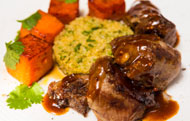
Offal, also called organ meats or variety meats, refers to the edible internal organs and other parts of an animal (like heart, liver, kidneys, tongue, brain, feet) that are often overlooked but are nutrient-dense, sustainable, and used globally in various cuisines, from gourmet dishes to traditional foods, despite sometimes being considered waste. It's rich in vitamins, minerals, protein, and collagen, making it a highly nutritious and economical choice for a full-animal utilization diet.
History and Origin
Offal, or "variety meats" (entrails, organs, etc.), has ancient origins, consumed by early humans for essential nutrients, with indigenous cultures often prioritizing organs over muscle; historically a "poor man's food" in many cultures, elevated by economic necessity (like WWII rationing) and now experiencing a resurgence due to nose-to-tail eating and global culinary traditions (e.g., Italian "quinto quarto," Vietnamese, Irish stews) recognizing its rich flavour and nutritional value.
- • Liver
- • Heart
- • Kidneys
- • Tongue
- • Intestines (sausage casings)
- • Stomach (tripe)
- • Glands (sweetbreads)
- • Giblets (poultry)
- • Brains
Australian Offal Meat Industry Overview
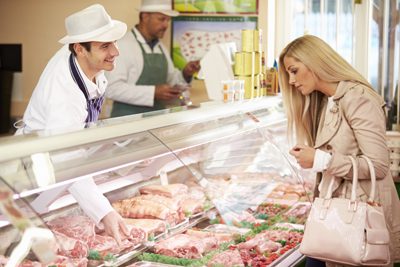
Australia's offal industry is a significant, multi-million-dollar export market driven by strong international demand for "variety meats" like tongues, tripe, and hearts, as Aussies consume little of it; key markets include Indonesia, South Korea, and Japan, with high prices and varying quality depending on processing hygiene, though recent studies show good microbial quality with proper handling. The industry faces challenges with data collection and market access but sees increasing value, contributing substantially to overall meat industry revenue and aiming for better utilization of these valuable by-products.
Common offal cuts include liver, kidney, heart, tongue, oxtail, sweetbreads, tripe, and feet (trotters), used globally in dishes like pâtés (liver), pies (kidney), stews (oxtail, heart, tripe), sausages (intestines as casings), and even delicacies like foie gras, offering rich flavour and nutrients when prepared with slow cooking, braising, or quick frying depending on the cut.
Common Offal Cuts and Uses
- Liver: Rich in iron; great pan-fried (with onions), made into pâté, or stir-fried.
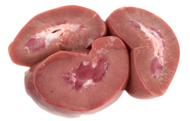
- Kidney: Gamey flavour; ideal for slow-cooked pies, stews, or braised dishes; often soaked in milk first.
- Heart: Lean, muscular, and flavourful; can be grilled, stir-fried, or stewed.
- Tongue: Tender, ham-like texture after boiling; sliced for tacos, sandwiches, or salads.
- Oxtail: Becomes melt-in-your-mouth tender with long, slow cooking; perfect for rich stews and soups.
- Sweetbreads: Thymus/pancreas; delicate, creamy texture; pan-fried or roasted for a crispy exterior.
- Tripe: Stomach lining; best in soups and stews (like Mexican menudo).
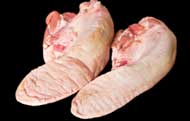
- Feet (Trotters): High in collagen; used to thicken broths or braised until tender.
- Intestines: Primarily used as natural casings for sausages.
- Brain and Marrow: Used in various traditional dishes, often creamy or rich.
Preparation Tips
- Slow Cooking/Stewing: Heart, oxtail, tripe, trotters.
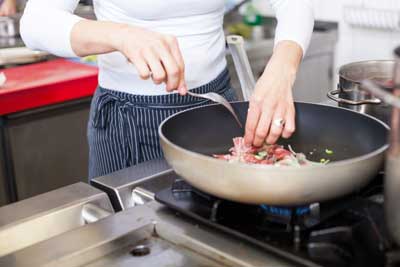
- Quick Cooking (Pan-fry/Sauté/Grill): Liver, kidney, sweetbreads, heart, tongue.
- Soaking: Kidneys often benefit from soaking in milk overnight to mellow flavour.
Global Cuisine
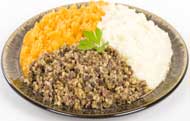
- Found in French pâtés, Scottish haggis, Mexican menudo, Italian oxtail stew, and more.
Meats ” Liver ” ( Nutritional value )
Nutritional value per 100 g
Lamb, New Zealand, imported, liver, cooked, soaked and fried
|
Nutrient ( Proximate’s )
|
Unit
|
Value
|
Daily Value %
|
|
Energy
|
kcal
|
168
|
8.4%
|
|
Protein
|
g
|
25.8
|
51.6%
|
|
Total lipid (fat)
|
g
|
6.56
|
2.3%
|
|
Carbohydrate, by difference
|
g
|
1.48
|
0.5%
|
|
Fiber, total dietary
|
g
|
0.0
|
|
|
Sugars, total
|
g
|
0.00
|
|
|
Minerals
|
|||
|
Calcium, Ca
|
mg
|
5
|
0.3%
|
|
Iron, Fe
|
mg
|
5.40
|
30%
|
|
Magnesium, Mg
|
mg
|
21
|
.003%
|
|
Phosphorus, P
|
mg
|
459
|
36.7%
|
|
Potassium, K
|
mg
|
287
|
6.1%
|
|
Sodium, Na
|
mg
|
59
|
2.5%
|
|
Zinc, Zn
|
mg
|
5.1
|
46.3%
|
|
Copper, Cu
|
mg
|
13.4
|
148.8%
|
|
Manganese, Mn
|
mg
|
0.37
|
16%
|
|
Selenium, Se
|
mcg
|
19
|
34.5%
|
|
Vitamins
|
|||
|
Vitamin C, total ascorbic acid
|
mg
|
0.0
|
|
|
Thiamin (B-1)
|
mg
|
1.57
|
130.8%
|
|
Riboflavin (B-2)
|
mg
|
5.27
|
405.3%
|
|
Niacin (B-3)
|
mg
|
12.8
|
80%
|
|
Pantothenic acid (B-5)
|
mg
|
5.22
|
104%
|
|
Vitamin B-6
|
mg
|
0.187
|
11%
|
|
Vitamin B-12
|
mg
|
57.5
|
239.5%
|
|
Folate (B-9)
|
mcg
|
||
|
Vitamin E (alpha-tocopherol)
|
mg
|
1.12
|
7.4%
|
|
Vitamin A, RAE
|
mcg
|
19900
|
221.1%
|
|
Lipids
|
|||
|
Saturated Fatty Acids
|
g
|
1.959
|
9.7%
|
|
Monounsaturated Fatty Acids
|
g
|
1.014
|
|
|
Polyunsaturated Fatty Acids
|
g
|
1.148
|
|
|
Trans Fatty Acids
|
g
|
0.192
|
|
|
Cholesterol
|
mg
|
566
|
188.6% |

|
Reference Values are based on a 2,000 Calorie Intake, for Adults and Children 4 or More Years of Age. Your daily values may be higher or lower depending on your calorie needs.
|
|
Percentages are roughly approximated using (RDA) Recommended Dietary Allowances for adults. Source: USDA United States Department of Agriculture
|
|
Reference Values for Nutrition – National Institutes of Health USA
|
Offal Nutritional Value
Offal (organ meats) are nutritional powerhouses, exceptionally rich in vitamins (especially B vitamins like B12, A), minerals (iron, zinc, copper, selenium), high-quality protein, and unique compounds like CoQ10, supporting energy, immunity, brain health, and muscle building, often exceeding muscle meat in nutrient density. Benefits include preventing anaemia (iron), boosting energy (B vitamins, iron), supporting immune function (zinc, A), and promoting cognitive health (choline, B12).
Varying Nutrients: Nutrient profiles differ by organ (e.g., liver is high in Vitamin A and B12, kidney in B vitamins).
Source Matters: Opt for grass-fed or pasture-raised for superior nutrient content and fewer contaminants.
RICH IN MINERALS
Offal is incredibly rich in essential minerals, providing vital nutrients like iron, zinc, selenium, copper, magnesium, and phosphorus, supporting energy, immunity, and bone health; liver, heart, and kidney are especially dense, offering these minerals alongside B vitamins and CoQ10, often in higher concentrations than muscle meat, combating anaemia, boosting cognitive function, and enhancing overall vitality.PACKED WITH VITAMINS
Offal is considered a "nutrient-dense superpower" and often referred to as nature's multivitamin because it contains higher concentrations of vitamins and minerals than muscle meat. Incorporating offal—such as liver, heart, kidney, and tongue—into your diet offers significant health benefits, particularly in supporting energy levels, immune function, and brain health.COMPLETE PROTEIN
Offal is considered a "superfood" because it is one of the most nutrient-dense foods available, providing concentrated amounts of vitamins, minerals, and high-quality proteins that are often lacking in modern diets. As a complete protein, offal contains all nine essential amino acids necessary for muscle repair, growth, and tissue maintenance.BIOACTIVE COMPOUNDS
Offal (organ meats such as liver, heart, kidney, and brain) is highly nutritious, frequently surpassing muscle meat in vitamins, minerals, and, specifically, bioactive compounds that support cardiovascular, immune, and cognitive health. These compounds act as powerful antioxidants, anti-inflammatory agents, and metabolic regulators.
ENERGY AND ANAEMIA
Offal (organ meats) are exceptionally nutrient-dense, often surpassing muscle meat in vitamins and minerals that are critical for combating fatigue, increasing energy, and treating anaemia. They act as a natural, highly bioavailable source of essential nutrients that support the body’s energy production systems.IMMUNE SUPPORT
Offal (organ meats) provides significant immune system support due to its high concentration of essential nutrients, particularly zinc, selenium, iron, and preformed Vitamin A (retinol). These nutrients help regulate the immune system, produce antibodies, and maintain the integrity of mucosal barriers in the lungs and gut, which act as the body's first line of defence against infections.HORMONAL HEALTH
Offal (organ meats) are considered "nature’s multivitamin" and are particularly powerful for supporting hormonal health due to their dense concentration of nutrients that act as precursors for hormone synthesis, including vitamins A, B12, zinc, and cholesterol. They are highly bioavailable, meaning the body can easily absorb and use these nutrients to regulate endocrine function, stress response, and reproductive health.BRAIN HEALTH
Offal, especially liver and brain, offers significant brain health benefits due to its high concentration of B vitamins (B6, B12, folate) for neurotransmitter synthesis, choline for memory/mood, omega-3s (DHA in brain), iron, copper, zinc, and antioxidants like CoQ10, supporting cognitive function, memory, mood, and overall neuronal health.
References
Nutrient Database – USDA (United States Department of Agriculture)
Reference Values for Nutrition – FDA U.S. Food and Drug Administration
Rich in minerals - Offal (organ meats) are incredibly rich in essential minerals, providing vital nutrients like iron, zinc, selenium, copper, magnesium, and phosphorus, supporting energy, immunity, and bone health; liver, heart, and kidney are especially dense, offering these minerals alongside B vitamins and CoQ10, often in higher concentrations than muscle meat, combating anaemia, boosting cognitive function, and enhancing overall vitality.
Packed with vitamins - Offal (organ meat) is considered a "nutrient-dense superpower" and often referred to as nature's multivitamin because it contains higher concentrations of vitamins and minerals than muscle meat. Incorporating offal—such as liver, heart, kidney, and tongue—into your diet offers significant health benefits, particularly in supporting energy levels, immune function, and brain health.
Complete protein - Offal (organ meat) is considered a "superfood" because it is one of the most nutrient-dense foods available, providing concentrated amounts of vitamins, minerals, and high-quality proteins that are often lacking in modern diets. As a complete protein, offal contains all nine essential amino acids necessary for muscle repair, growth, and tissue maintenance.
Bioactive compounds - Offal (organ meats such as liver, heart, kidney, and brain) is highly nutritious, frequently surpassing muscle meat in vitamins, minerals, and, specifically, bioactive compounds that support cardiovascular, immune, and cognitive health. These compounds act as powerful antioxidants, anti-inflammatory agents, and metabolic regulators.
Energy and anaemi - Offal (organ meats) are exceptionally nutrient-dense, often surpassing muscle meat in vitamins and minerals that are critical for combating fatigue, increasing energy, and treating anaemia. They act as a natural, highly bioavailable source of essential nutrients that support the body’s energy production systems.
Immune support - Offal (organ meats) provides significant immune system support due to its high concentration of essential nutrients, particularly zinc, selenium, iron, and preformed Vitamin A (retinol). These nutrients help regulate the immune system, produce antibodies, and maintain the integrity of mucosal barriers in the lungs and gut, which act as the body's first line of defence against infections.
Hormonal health - Offal (organ meats) are considered "nature’s multivitamin" and are particularly powerful for supporting hormonal health due to their dense concentration of nutrients that act as precursors for hormone synthesis, including vitamins A, B12, zinc, and cholesterol. They are highly bioavailable, meaning the body can easily absorb and use these nutrients to regulate endocrine function, stress response, and reproductive health.
Brain health - Offal, especially liver and brain, offers significant brain health benefits due to its high concentration of B vitamins (B6, B12, folate) for neurotransmitter synthesis, choline for memory/mood, omega-3s (DHA in brain), iron, copper, zinc, and antioxidants like CoQ10, supporting cognitive function, memory, mood, and overall neuronal health.