

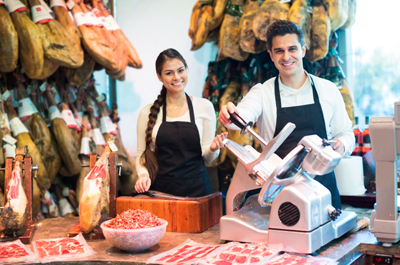
1. Small Goods (processed meats) Type
2. Small Goods Cuts and Produce Australia
3. Australian Small Goods Industry Overview
4. Small Goods Nutritional Value
5. Small Goods Health Benefits
Smallgoods (processed meats like ham, salami, bacon) have ancient origins in preserving surplus meat, evolving from basic salting/drying in early civilizations (Egypt, Rome) to sophisticated European methods, brought to Australia by migrants who founded major brands like DON® (1947) and Primo (1957) using traditional curing and modern techniques to meet local demand for quality deli items.
History and Origin (preservation)
Early Need: Hunter-gatherers processed excess meat (drying, pounding) into durable forms for survival.
Ancient Civilizations: Egyptians, Greeks, and Romans developed salted meats and sausages to feed soldiers, with blood sausage and liver sausage being early types.
European Evolution (Craftsmanship)
Medieval Trade: International meat trade grew between European countries, refining techniques.
Sausage Craft: The classic emulsified and fermented dried sausages (like salami) developed in Europe, becoming a staple.
Introduction to Australia (Migration)
Techniques for modern processing combines ancient curing/salting/smoking with scientific methods, preservatives (nitrates), binders, and flavour enhancers for consistency and shelf life.
Australian term "Smallgoods" itself is an AU/NZ term, possibly originating from butchers distinguishing these specialized products from standard cuts.
- • Prosciutto
- • Pancetta
- • Salami
- • Chorizo
- • Ham (on the bone)
- • Mortadella
- • Pastrami
- • Kransky/kabana
- • Speck
- • Nduja
- • Bacon (rindless, middle, short cut)
- • Black pudding
- • Smoked Turkey Breast
- • Smoked Chicken Breast
- • Devon
- • Wood-Smoked Ham
- • Leg Ham (off the bone)
- • Sliced Ham
Australian Small Goods (processed meats) Industry Overview
Australia's smallgoods industry faces declining consumption due to health concerns but is resilient through premiumisation, innovation (healthier options, plant-based), and strong domestic demand, valued around $5.4 billion in 2025, with challenges including retailer bargaining power and labour shortages, notes IBISWorld. Pork dominates usage, but the market shifts towards gourmet, convenient, and 'clean label' products, with major players adapting to health trends while relying on strong local demand and high input costs.
Small goods, often referred to as charcuterie or deli meats, encompass a wide range of cured, smoked, or cooked meats. Common small goods cuts, ranging from whole cured muscles to sliced sausages, include
Common Small Goods Varieties and Uses
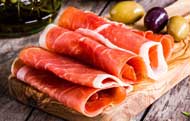
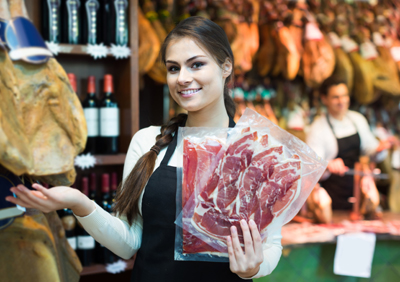
- Prosciutto: Cured pork leg thinly sliced. Best for antipasto platters, wrapped around melon, or added to salads/pizza.
- Pancetta: Italian bacon made from pork belly, often air-dried or cured with herbs. Used for cooking in pasta sauces, soups, or wrapping roasts for added fat and flavour.
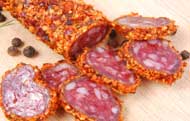
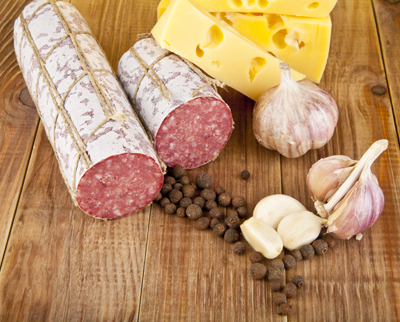
- Salami: Cured, dried sausage made from pork, beef, or veal. Typically used for charcuterie boards, sandwiches, and pizza.
- Smoked Turkey Breast: A flavourful, lean poultry product made from turkey breast meat that's cured, seasoned, and slowly cooked (hot-smoked) over wood, infusing it with a deep smoky flavour and tender texture, resulting in a ready-to-eat protein perfect for sandwiches, salads, or main dishes, offering a juicy alternative to a whole roasted bird.
- Smoked Chicken Breast: A chicken breast that has been slowly cooked with wood smoke, infusing it with a smoky flavour and creating a tender, juicy, and flavourful white meat, often pre-cured (brined) and seasoned with herbs and spices for added taste, making it versatile for hot or cold meals like salads, sandwiches, and pasta dishes.
- Black Pudding: A type of blood sausage, cooked and sliced, often served with breakfast or on charcuterie boards.
- Devon: A popular Australian and New Zealand processed luncheon meat, made from finely ground pork and spices, often served in sandwiches with tomato sauce or fried, known by different regional names like Polony (WA), Fritz (SA), or Luncheon (QLD). It's a smooth, pink, emulsified sausage product, considered a budget-friendly staple, particularly in nostalgic childhood lunches.
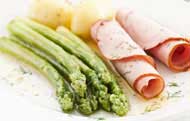
- Sliced Ham: Cooked pork, cured, typically from a pig's hind leg, cut into thin, ready-to-eat pieces for convenience in sandwiches, platters, and other dishes, offering a savory flavour and tender texture that can vary from lean cuts to more marbled, seasoned varieties. It's processed through curing (salting/sweetening), cooking, and then thinly sliced by machine, often sold as "deli ham," though some higher-quality versions use whole muscle cuts.
- Wood-Smoked Ham: A pork leg cut that's been cured (salted/brined) and then slowly cooked and flavoured by smoke from real wood (like hickory, applewood, or pine), giving it a rich, deep, savory, and subtly sweet taste with a unique aroma, often involving a double-smoking process for extra depth, resulting in a tender, moist, premium product distinct from commercially processed hams.
- Leg Ham: Made from a pig's hind leg, which is then cured (preserved and flavoured) using a salty brine or dry rub, often with sugar and spices, followed by optional smoking and cooking, to transform raw pork into the distinctive pink, savory product we know as ham, often involving injection, tumbling, and slow cooking for tenderness.
Common Cuts for Further Preparation
- Pork Shoulder: Used in making sausages or chorizo.
- Pork Belly: Used to make pancetta or bacon.
- Pork Leg: Primarily used for prosciutto or ham.
- Beef Trim: Used for making salami or sausages.
Small goods general product source
These products are generally sourced from pork or beef, with premium options often emphasizing local, artisanal production.
Meats ” Ham ” ( Nutritional value )
Nutritional Value per 100 g
Ham, honey, smoked, cooked
|
Nutrient ( Proximate’s )
|
Unit
|
Value
|
Daily Value %
|
|
Energy
|
kcal
|
122
|
6.1%
|
|
Protein
|
g
|
17.93
|
35.8%
|
|
Total lipid (fat)
|
g
|
2.37
|
3%
|
|
Carbohydrate, by difference
|
g
|
7.27
|
2.6%
|
|
Fiber, total dietary
|
g
|
0.0
|
|
|
Sugars, total
|
g
|
0.00
|
|
|
Minerals
|
|||
|
Calcium, Ca
|
mg
|
6
|
0.4%
|
|
Iron, Fe
|
mg
|
0.39
|
2.1%
|
|
Magnesium, Mg
|
mg
|
8
|
1.9%
|
|
Phosphorus, P
|
mg
|
384
|
30.7%
|
|
Potassium, K
|
mg
|
165
|
3.5%
|
|
Sodium, Na
|
mg
|
900
|
39.1%
|
|
Zinc, Zn
|
mg
|
0.91
|
8.2%
|
|
Copper, Cu
|
mg
|
0.041
|
4.5%
|
|
Manganese, Mn
|
mg
|
0.028
|
1.2%
|
|
Selenium, Se
|
mcg
|
10.4
|
18.9%
|
|
Vitamins
|
|||
|
Vitamin C, total ascorbic acid
|
mg
|
0.6
|
0.6%
|
|
Thiamin (B-1)
|
mg
|
0.402
|
33.5%
|
|
Riboflavin (B-2)
|
mg
|
0.101
|
7.7%
|
|
Niacin (B-3)
|
mg
|
2.276
|
14.2%
|
|
Pantothenic acid (B-5)
|
mg
|
0.238
|
4.7%
|
|
Vitamin B-6
|
mg
|
0.231
|
13.5%
|
|
Vitamin B-12
|
mg
|
0.38
|
15.8%
|
|
Folate (B-9)
|
mcg
|
2
|
0.5%
|
|
Vitamin A, RAE
|
mcg
|
0
|
|
|
Lipids
|
|||
|
Saturated Fatty Acids
|
g
|
0.870
|
4.3%
|
|
Monounsaturated Fatty Acids
|
g
|
1.240
|
|
|
Polyunsaturated Fatty Acids
|
g
|
0.230
|
|
|
Cholesterol
|
mg
|
22
|
|
|
Reference Values are based on a 2,000 Calorie Intake, for Adults and Children 4 or More Years of Age. Your daily values may be higher or lower depending on your calorie needs.
|
|
Percentages are roughly approximated using (RDA) Recommended Dietary Allowances for adults. Source: USDA United States Department of Agriculture
|
|
Reference Values for Nutrition – National Institutes of Health USA
|
Small Goods Nutritional Value
While small goods (processed meats) offer protein, iron, and B vitamins, and some fermentation might add probiotics, major health organizations strongly link them to increased risks of bowel cancer due to high salt, saturated fat, nitrites, and compounds formed during processing (N-nitroso compounds). Health guidelines recommend minimizing or avoiding processed meats, opting for lean fresh meats, fish, beans, or poultry instead, and focusing on a diet rich in plants for better health outcomes.
PROTEIN, IRON, ZINC, B12
Small goods (processed meats) such as bacon, ham, salami, chorizo, and Frankfurt’s contain significant amounts of protein, iron, zinc, and Vitamin B12. While they are nutrient-dense in terms of these essential minerals and vitamins.PROBIOTICS (IN SOME FERMENTED TYPES)
Fermented small goods (processed meats) can act as carriers for probiotics, which are live beneficial bacteria that can improve gut health when consumed in adequate amounts. While not all processed meats contain probiotics, certain traditionally fermented sausages are considered "functional meat products" because they contain, or are intentionally inoculated with, live probiotic cultures.HIGH SODIUM AND SATURATED Fat
Small goods (processed meats) like bacon, salami, sausages, and hot dogs are generally high in sodium and saturated fat, contributing to health risks like high blood pressure, heart disease, and certain cancers (especially bowel cancer). Health authorities recommend limiting or avoiding them, choosing leaner alternatives like chicken or fish, and reading food labels to compare sodium and fat content, with lean red meat being acceptable in moderation (around 100g raw/day).
CANCER RISK
Processed meats like bacon, ham, and salami are classified as Group 1 carcinogens by the WHO, meaning strong evidence links them to increased risk of bowel cancer, with every 50g daily portion raising risk by about 18%; this is due to preservatives like nitrates/nitrites forming cancer-causing compounds, so limiting intake and choosing healthier alternatives is recommended for cancer prevention.N-NITROSO COMPOUNDS
Processed meats are considered a significant source of dietary N-nitroso compounds (NOCs), which are formed during processing, storage, and cooking. These compounds, including nitrosamines, are recognized as potent carcinogens and are a primary reason the International Agency for Research on Cancer (IARC) classifies processed meat as a Group 1 carcinogen.DIGESTIBILITY
Processed meats generally have high protein digestibility, with scores often exceeding 100% due to processing methods that break down muscle structure and enhance nutrient absorption. However, the same processing techniques (smoking, curing, salting) can create compounds that are hard on the digestive system and associated with long-term health risks.
References
Nutrient Database – USDA (United States Department of Agriculture)
Reference Values for Nutrition – FDA U.S. Food and Drug Administration
Protein, iron, zinc, B12 - Small goods (processed meats) such as bacon, ham, salami, chorizo, and Frankfurt’s contain significant amounts of protein, iron, zinc, and Vitamin B12. While they are nutrient-dense in terms of these essential minerals and vitamins.
Probiotics (in some fermented types) - Fermented small goods (processed meats) can act as carriers for probiotics, which are live beneficial bacteria that can improve gut health when consumed in adequate amounts. While not all processed meats contain probiotics, certain traditionally fermented sausages are considered "functional meat products" because they contain, or are intentionally inoculated with, live probiotic cultures.
Digestibility - Processed meats (small goods) generally have high protein digestibility, with scores often exceeding 100% due to processing methods that break down muscle structure and enhance nutrient absorption. However, the same processing techniques (smoking, curing, salting) can create compounds that are hard on the digestive system and associated with long-term health risks.
Cancer risk - Processed meats (small goods) like bacon, ham, and salami are classified as Group 1 carcinogens by the WHO, meaning strong evidence links them to increased risk of bowel cancer, with every 50g daily portion raising risk by about 18%; this is due to preservatives like nitrates/nitrites forming cancer-causing compounds, so limiting intake and choosing healthier alternatives is recommended for cancer prevention.
N-Nitroso compounds - Processed meats (small goods) are considered a significant source of dietary N-nitroso compounds (NOCs), which are formed during processing, storage, and cooking. These compounds, including nitrosamines, are recognized as potent carcinogens and are a primary reason the International Agency for Research on Cancer (IARC) classifies processed meat as a Group 1 carcinogen (carcinogenic to humans).
High sodium and saturated fat - Small goods (processed meats) like bacon, salami, sausages, and hot dogs are generally high in sodium and saturated fat, contributing to health risks like high blood pressure, heart disease, and certain cancers (especially bowel cancer). Health authorities recommend limiting or avoiding them, choosing leaner alternatives like chicken or fish, and reading food labels to compare sodium and fat content, with lean red meat being acceptable in moderation (around 100g raw/day).