


1. Turkey Types
2. Turkey Cuts and Produce Australia
3. Australian Turkey Industry Overview
4. Turkey Nutritional Value
5. Turkey Health Benefits
The common domestic turkey is the Broad Breasted White, favoured for large-scale meat production due to its size and rapid growth, though it struggles with natural breeding, relying on artificial insemination. Other popular and heritage breeds include the Broad Breasted Bronze, Bourbon Red, Narragansett, and Black, offering diverse traits like hardiness, ornamental beauty, and natural reproduction for small farms, but these are less common commercially than their broad-breasted counterparts.
History and Origin
Eating turkey dates back to ancient North American civilizations like the Mayans and Aztecs who domesticated it for food and ritual; Spanish explorers brought turkeys to Europe in the 16th century, where they became popular festive meals, eventually arriving in North America with colonists and solidifying as a holiday centrepiece, especially Thanksgiving, due to their size and practicality for large feasts, with Victorian era traditions cementing their iconic status.
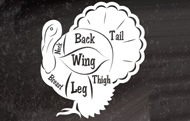
- • Breasts
- • Thighs
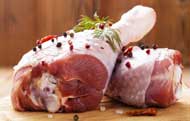
- • Legs/drumsticks
- • Wings
- • Whole chicken
- • Offal
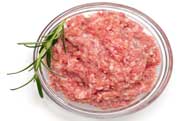
- • Mince
- • Tenders/tenderloins
- • Kebabs and strips
- • Schnitzels and kievs
- • Ready-to-eat
- • Cutlets
Australian Turkey Industry Overview
Australia's turkey industry is a highly integrated sector dominated by large processors, raising millions of birds annually in intensive, indoor sheds for Christmas consumption, relying heavily on contract growers, artificial insemination, and breeds selected for rapid breast meat growth, raising welfare concerns despite growing demand for this lean protein. New standards require perches for older birds, but the industry faces scrutiny over rapid growth, animal welfare, and limited outdoor access.
In Australia, turkey is popular as a year-round lean protein, with demand for further processed, boned, or semi-deboned products. While whole birds are common, especially around Christmas, the market has shifted toward convenient, processed cuts due to the size of typical heavy tom turkeys.
Common Australian turkey cuts and their uses
- Boneless Breast / Breast Fillets: The most popular cut, representing a high percentage of the carcass yield, known for being low in fat (1%).
- Uses: Sliced into steaks, pounded thin for schnitzels, stuffed for roulades, or used in stir-fries.
- Buffé (Buffet Roast): A partially boned, skin-on turkey breast.
- Uses: Ideal for roasting, offering a traditional turkey experience without the hassle of carving a whole bird.
- Thigh Meat (Boneless/Skinless): Darker, richer meat than the breast.
- Uses: Excellent for slow cooking, curries, casseroles, or diced for stews.
- Thigh Roast: A pre-packaged, boned, and often netted roast.
- Uses: Oven roasting, providing moist and flavourful meat.
- Breast Slicing Roll: A processed, boned, and rolled product.
- Uses: Convenient for slicing for cold meat platters or quick roasting.
- Whole Bird: Typically, available frozen or fresh, especially during festive seasons.
- Uses: Traditional holiday roasting
Notes on Australian Turkey
- Price: Turkey meat, particularly whole birds, can be more expensive in Australia compared to the US.
- Production: The industry relies heavily on white-feathered hybrids, with a strong focus on high breast yield.
- Availability: While fresh whole birds are popular in December, processed products (roasts, fillets) are available throughout the year in supermarkets.
Note: The Australian Brush Turkey (Alectura lathami) is a protected native species and is not commercially farmed or eaten.
Meats ” Turkey ” ( Nutritional value )
Nutritional Value per 100 g
Turkey, whole, meat and skin, cooked, roasted
|
Nutrient ( Proximate’s )
|
Unit
|
Value
|
Daily Value %
|
|
Energy
|
kcal
|
189
|
9.4%
|
|
Protein
|
g
|
28.55
|
57.1%
|
|
Total lipid (fat)
|
g
|
7.39
|
9.4%
|
|
Carbohydrate, by difference
|
g
|
0.06
|
.002%
|
| Tryptophan |
g
|
0.291
|
|
|
Sugars, total
|
g
|
0.00
|
|
|
Minerals
|
|||
|
Calcium, Ca
|
mg
|
14
|
1%
|
|
Iron, Fe
|
mg
|
1.09
|
6%
|
|
Magnesium, Mg
|
mg
|
30
|
7.1%
|
|
Phosphorus, P
|
mg
|
223
|
17.8%
|
|
Potassium, K
|
mg
|
239
|
5%
|
|
Sodium, Na
|
mg
|
103
|
.004%
|
|
Zinc, Zn
|
mg
|
2.48
|
22.5%
|
|
Copper, Cu
|
mg
|
0.093
|
10.3%
|
|
Manganese, Mn
|
mg
|
0.014
|
6%
|
|
Selenium, Se
|
mcg
|
29.8
|
54.1%
|
|
Vitamins and other nutrients
|
|||
|
Vitamin C, total ascorbic acid
|
mg
|
0.0
|
|
|
Thiamin (B-1)
|
mg
|
0.045
|
3.7%
|
|
Riboflavin (B-2)
|
mg
|
0.281
|
21.6%
|
|
Niacin (B-3)
|
mg
|
9.573
|
59.8%
|
|
Pantothenic acid (B-5)
|
mg
|
0.948
|
18.9%
|
|
Vitamin B-6
|
mg
|
0.616
|
36.2%
|
|
Vitamin B-12
|
mg
|
1.02
|
42.5%
|
|
Folate (B-9)
|
mcg
|
9
|
2.2%
|
|
Vitamin A, RAE
|
mcg
|
12
|
1.3%
|
|
Vitamin E (alpha-tocopherol)
|
mg
|
0.07
|
0.4%
|
| Vitamin D (D2 + D3) |
mcg
|
0.4
|
2%
|
| Choline, total |
mg
|
87.4
|
15.8% |
|
Lipids
|
|||
|
Saturated Fatty Acids
|
g
|
2.16
|
10.8%
|
|
Monounsaturated Fatty Acids
|
g
|
2.65
|
|
|
Polyunsaturated Fatty Acids
|
g
|
2.12
|
|
| Fatty acids, total trans-monoenoic |
g
|
0.101
|
|
|
Cholesterol
|
mg
|
109
|
36% |

|
Reference Values are based on a 2,000 Calorie Intake, for Adults and Children 4 or More Years of Age. Your daily values may be higher or lower depending on your calorie needs.
|
|
Percentages are roughly approximated using (RDA) Recommended Dietary Allowances for adults. Source: USDA United States Department of Agriculture
|
|
Reference Values for Nutrition – National Institutes of Health USA
|
Turkey Nutritional Value
Turkey is a nutrient-dense, lean protein source packed with B vitamins (niacin, B6, B12) for energy, minerals like selenium, zinc, phosphorus, and iron for immunity, thyroid, and bone health, and tryptophan for mood, supporting muscle growth, brain function, and weight management, especially when skinless. It's a heart-healthy option with low saturated fat (especially breast meat) and can help regulate blood sugar, making it a versatile food for overall wellness.
HIGH-QUALITY PROTEIN
Turkeys high-quality protein supports muscle growth, repair, and weight management by increasing fullness (satiety), making it excellent for body composition, alongside B vitamins, selenium, and zinc that boost energy, immunity, and brain function, all while being a lean, low-fat choice (especially skinless breast). It provides essential amino acids for bodily functions, helps maintain stable energy, and offers minerals vital for bones, nerves, and oxygen transport.PACKED WITH B VITAMINS
Turkey is packed with B vitamins, especially B3 (niacin), B6, and B12, which are crucial for converting food into energy, supporting brain and nerve function, forming red blood cells, and DNA synthesis, making it a powerhouse for boosting metabolism, energy levels, and overall cellular health.CONTAINS TRYPTOPHAN
Turkey contains tryptophan, an essential amino acid that supports serotonin (mood) and melatonin (sleep) production, but it doesn't make you sleepy on its own; the large meals with carbs are the real cause of grogginess, as carbs help tryptophan cross the blood-brain barrier to create these mood-boosting/calming chemicals, while turkey itself offers protein, B vitamins, and minerals.ENERGY AND METABOLISM
Turkey is a highly nutritious, lean protein source that significantly boosts energy and supports metabolism through its high content of B vitamins, selenium, and iron. It provides a steady, sustained energy source rather than rapid spikes, making it an ideal choice for long-term health and weight management.BLOOD SUGAR CONTROL
Turkey supports blood sugar control by being a high-protein, low-carb food that slows glucose absorption, preventing sharp spikes, with nutrients like selenium potentially benefiting diabetes risk. Its zero glycaemic index and richness in B vitamins and minerals make it ideal for diabetic diets, especially lean cuts prepared without sugary sauces, paired with fiber-rich sides like vegetables and whole grains.

ESSENTIAL MINERALS
Turkey is rich in essential minerals like selenium, zinc, phosphorus, and iron, supporting immunity, thyroid function, bone health, energy, and oxygen transport, along with potassium for heart health and magnesium for strong muscles, with dark meat offering more iron. These minerals, combined with its high-quality protein and B vitamins, make turkey a nutrient-dense food that boosts overall bodily functions from cell repair to energy production.GREAT SOURCE OF CHOLINE
Turkey is a great source of choline, an essential nutrient crucial for brain health (memory, focus, mood), liver function (fat metabolism), nerve signals (muscle control), cellular structure, and foetal development, with poultry providing around 72-94 mg per 3-ounce serving, supporting overall neurological and metabolic functions.BONE AND MUSCLE HEALTH
Turkey is highly beneficial for bone and muscle health due to its high-quality, lean protein content and rich supply of essential minerals. A 3-ounce serving of turkey provides approximately 25-27 grams of protein, supplying all nine essential amino acids necessary for muscle repair, growth, and the maintenance of bone density.BENEFITS HEART HEALTH
Turkey benefits heart health by being a lean protein, low in saturated fat (especially skinless white meat), and rich in heart-healthy nutrients like potassium, B vitamins, selenium, and phosphorus, helping manage cholesterol and support artery function, though preparation (roasting vs. frying, avoiding excess sodium) is key. Choosing skinless turkey breast reduces fat, while avoiding processed versions (sausage, bacon) helps limit sodium.BOOSTS IMMUNE SYSTEM
Turkey boosts the immune system by providing essential nutrients like protein (for antibodies), selenium, zinc, and B vitamins (especially B6), which support immune cell function, protect against damage, and help fight off infections, making it a nutrient-dense food to bolster overall defences.
References
Nutrient Database – USDA (United States Department of Agriculture)
Reference Values for Nutrition – FDA U.S. Food and Drug Administration
High-quality protein - Turkey's high-quality protein supports muscle growth, repair, and weight management by increasing fullness (satiety), making it excellent for body composition, alongside B vitamins, selenium, and zinc that boost energy, immunity, and brain function, all while being a lean, low-fat choice (especially skinless breast). It provides essential amino acids for bodily functions, helps maintain stable energy, and offers minerals vital for bones, nerves, and oxygen transport.
Packed with B vitamins - Turkey is packed with B vitamins, especially B3 (niacin), B6, and B12, which are crucial for converting food into energy, supporting brain and nerve function, forming red blood cells, and DNA synthesis, making it a powerhouse for boosting metabolism, energy levels, and overall cellular health.
Essential minerals - Turkey is rich in essential minerals like selenium, zinc, phosphorus, and iron, supporting immunity, thyroid function, bone health, energy, and oxygen transport, along with potassium for heart health and magnesium for strong muscles, with dark meat offering more iron. These minerals, combined with its high-quality protein and B vitamins, make turkey a nutrient-dense food that boosts overall bodily functions from cell repair to energy production.
Great source of choline - Turkey is a great source of choline, an essential nutrient crucial for brain health (memory, focus, mood), liver function (fat metabolism), nerve signals (muscle control), cellular structure, and foetal development, with poultry providing around 72-94 mg per 3-ounce serving, supporting overall neurological and metabolic functions.
Contains tryptophan - Turkey contains tryptophan, an essential amino acid that supports serotonin (mood) and melatonin (sleep) production, but it doesn't make you sleepy on its own; the large meals with carbs are the real cause of grogginess, as carbs help tryptophan cross the blood-brain barrier to create these mood-boosting/calming chemicals, while turkey itself offers protein, B vitamins, and minerals.
Energy and metabolism - Turkey is a highly nutritious, lean protein source that significantly boosts energy and supports metabolism through its high content of B vitamins, selenium, and iron. It provides a steady, sustained energy source rather than rapid spikes, making it an ideal choice for long-term health and weight management.
Boosts immune system - Turkey boosts the immune system by providing essential nutrients like protein (for antibodies), selenium, zinc, and B vitamins (especially B6), which support immune cell function, protect against damage, and help fight off infections, making it a nutrient-dense food to bolster overall defences.
Bone and muscle health - Turkey is highly beneficial for bone and muscle health due to its high-quality, lean protein content and rich supply of essential minerals. A 3-ounce serving of turkey provides approximately 25-27 grams of protein, supplying all nine essential amino acids necessary for muscle repair, growth, and the maintenance of bone density.
Benefits heart health - Turkey benefits heart health by being a lean protein, low in saturated fat (especially skinless white meat), and rich in heart-healthy nutrients like potassium, B vitamins, selenium, and phosphorus, helping manage cholesterol and support artery function, though preparation (roasting vs. frying, avoiding excess sodium) is key. Choosing skinless turkey breast reduces fat, while avoiding processed versions (sausage, bacon) helps limit sodium.
Blood sugar control - Turkey supports blood sugar control by being a high-protein, low-carb food that slows glucose absorption, preventing sharp spikes, with nutrients like selenium potentially benefiting diabetes risk. Its zero glycaemic index and richness in B vitamins and minerals make it ideal for diabetic diets, especially lean cuts prepared without sugary sauces, paired with fiber-rich sides like vegetables and whole grains.