


1. Alfalfa Seed Facts
2. Types of Alfalfa Seeds
3. Alfalfa Seed Nutritional Value
4. Alfalfa Seed Health Benefits
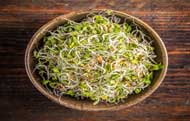
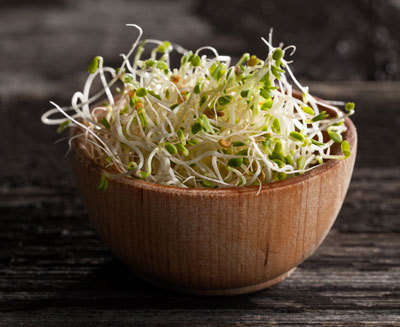
Alfalfa sprouting seeds are the tiny seeds of the Medicago sativa plant, which are used to grow nutrient-rich shoots called alfalfa sprouts. These sprouts are a popular and easy-to-grow food, known for their mild, nutty flavour and crisp texture, and are frequently used in salads, sandwiches, and wraps. Growing sprouts is a simple process of germinating the seeds, which unlocks many of their nutrients, making them even healthier than the unsprouted seed.
History and Origin
Alfalfa likely originated in south-central Asia and was first cultivated by the Persians, who introduced it to Greece around 490 BC. The name "alfalfa" comes from the Arabic phrase meaning "father of all foods," due to its high nutritional value. Historically, it has been primarily grown as animal feed, but its sprouts became popular as a human food, especially during the 20th century, thanks to the nutritional benefits highlighted by nutritionists and the counter-culture movement's interest in whole, unprocessed foods.
There is one primary type of alfalfa sprouting seed, but different varieties exist for agricultural purposes. Alfalfa sprouting seeds are the germinated seeds of the Medicago sativa plant, and they are distinct from other popular sprouting seeds like mung beans or clover.
Types
- Alfalfa: These seeds, also known as lucerne, are the source of alfalfa sprouts, which have a mild flavour and crisp texture.
Seeds ” Alfalfa Seed ” ( Nutritional value )
Nutritional Value per 33 g – 1 Cup
Alfalfa seeds, sprouted, raw
|
Nutrient ( Proximate’s )
|
Unit
|
Value
|
Daily Value %
|
|
Energy
|
kcal
|
8
|
0.4%
|
|
Protein
|
g
|
1.32
|
2.6%
|
|
Total lipid (fat)
|
g
|
0.23
|
0.2%
|
|
Carbohydrate, by difference
|
g
|
0.69
|
0.2%
|
|
Fiber, total dietary
|
g
|
0.6
|
2.1%
|
|
Total Sugars
|
g
|
0.07
|
|
|
Minerals
|
|||
|
Calcium, Ca
|
mg
|
11
|
0.8%
|
|
Iron, Fe
|
mg
|
0.32
|
1.7%
|
|
Magnesium, Mg
|
mg
|
9
|
2.1%
|
|
Phosphorus, P
|
mg
|
23
|
1.8%
|
|
Potassium, K
|
mg
|
26
|
0.5%
|
|
Sodium, Na
|
mg
|
2
|
0.08%
|
|
Zinc, Zn
|
mg
|
0.30
|
2.7%
|
|
Copper, Cu
|
mg
|
0.052
|
5.2%
|
|
Manganese, Mn
|
mg
|
0.062
|
2.6%
|
|
Selenium, Se
|
mcg
|
0.2
|
0.3%
|
|
Vitamins
|
|||
|
Vitamin C, total ascorbic acid
|
mg
|
2.7
|
3%
|
|
Thiamin (B-1)
|
mg
|
0.025
|
2%
|
|
Riboflavin (B-2)
|
mg
|
0.042
|
3.2%
|
|
Niacin (B-3)
|
mg
|
0.159
|
0.9%
|
|
Pantothenic acid (B-5)
|
mg
|
0.186
|
3.7%
|
| Vitamin (B-6) |
mg
|
0.011
|
0.6%
|
|
Folate (B-9)
|
mcg
|
12
|
3%
|
|
Vitamin (B-12)
|
mcg
|
0.00
|
|
|
Vitamin A, RAE
|
mcg
|
||
| Vitamin E (alpha-tocopherol) |
mg
|
0.01
|
0.6%
|
|
Vitamin D (D2 + D3)
|
mcg
|
0.0
|
|
|
Vitamin D
|
mcg
|
0
|
|
|
Vitamin K (phylloquinone)
|
mcg
|
10.1
|
8.4%
|
|
Lipids
|
|||
|
Saturated Fatty Acids
|
g
|
0.023
|
0.1%
|
|
Monounsaturated Fatty Acids
|
g
|
0.018
|
|
|
Polyunsaturated Fatty Acids
|
g
|
0.135
|
|
|
Trans Fatty Acids
|
g
|
0.000
|
|
|
Cholesterol
|
mg
|
||
|
Carotenoids
|
|||
|
Beta-Carotene
|
mcg
|
29
|
|
|
Alpha-Carotene
|
mcg
|
2
|
|
|
Beta-Cryptoxanthin
|
mcg
|
2
|
|
|
Lutein + Zeaxanthin
|
mcg
|
0
|
|
|
Reference Values are based on a 2,000 Calorie Intake, for Adults and Children 4 or More Years of Age. Your daily values may be higher or lower depending on your calorie needs.
|
|
Percentages are roughly approximated using (RDA) Recommended Dietary Allowances for adults. Source: USDA United States Department of Agriculture
|
|
Reference Values for Nutrition – FDA U.S. Food and Drug Administration
|
Alfalfa Seeds Nutritional Value
Alfalfa sprouts are a nutrient-dense food packed with vitamins (A, C, E, K, and B vitamins), minerals, and amino acids that support overall health. They are rich in antioxidants that help protect against cellular damage, and compounds like saponins may help lower cholesterol. Additionally, they can aid digestion due to their fiber content and contain phytoestrogens that might help with menopause symptoms.
ANTIOXIDANT PROPERTIES
Alfalfa sprouts have antioxidant properties due to their high content of vitamins like C and E, and phytonutrients such as phenols and flavonoids. These compounds help protect cells from damage caused by free radicals and reduce oxidative stress. The sprouts also contain other antioxidants like isoflavones, which are linked to reduced risk of certain cancers.MAY SUPPORT SKIN HEALTH
Alfalfa sprouts may support skin health due to their content of vitamins A, C, and E, which are antioxidants that can protect against damage and promote collagen production. Their anti-inflammatory properties may also help soothe irritation, while amino acids contribute to maintaining skin's moisture barrier, and mineral support are known to promote skin healing.NUTRIENT-RICH
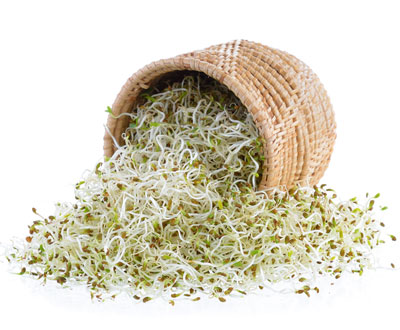
Alfalfa sprouting seeds are nutrient-rich, providing vitamins A, B1, B2, C, E, and K, along with minerals like calcium, magnesium, iron, and potassium. They contain high levels of protein and fibre, and the sprouting process increases nutrient bioavailability by breaking down phytates. This makes alfalfa sprouts a great addition to salads, wraps, and other dishes for a nutritional boost.
POTENTIAL HORMONAL SUPPORT
Alfalfa sprouts have potential hormonal support due to their phytoestrogen content, particularly coumestrol, which can mimic estrogen in the body. This may help regulate hormone levels and could provide relief from symptoms associated with menopause and PMS. Additionally, alfalfa sprouts contain Vitamin K, which plays a role in bone health, and B vitamins, which are important for metabolism and hormone production.SUPPORTS DIGESTION
Alfalfa sprouting seeds support digestion due to their high fiber content, which aids in regular bowel movements and can reduce bloating and constipation. The sprouting process also makes them easier to digest by reducing antinutrients like phytates and increasing the availability of enzymes.MAY HELP LOWER CHOLESTEROL
Alfalfa sprouts may help lower cholesterol, primarily due to plant compounds called saponins that can reduce the absorption of cholesterol in the intestines. While most studies showing this benefit have been conducted on animals, some human studies also indicate that alfalfa seeds can significantly lower LDL ("bad") cholesterol and total cholesterol.
References
Nutrient Database – USDA (United States Department of Agriculture)
Reference Values for Nutrition – FDA U.S. Food and Drug Administration
Nutrient-rich - Alfalfa sprouting seeds are nutrient-rich, providing vitamins A, B1, B2, C, E, and K, along with minerals like calcium, magnesium, iron, and potassium. They contain high levels of protein and fibre, and the sprouting process increases nutrient bioavailability by breaking down phytates. This makes alfalfa sprouts a great addition to salads, wraps, and other dishes for a nutritional boost.
Antioxidant properties - Alfalfa sprouts have antioxidant properties due to their high content of vitamins like C and E, and phytonutrients such as phenols and flavonoids. These compounds help protect cells from damage caused by free radicals and reduce oxidative stress. The sprouts also contain other antioxidants like isoflavones, which are linked to reduced risk of certain cancers.
May help lower cholesterol - Alfalfa sprouts may help lower cholesterol, primarily due to plant compounds called saponins that can reduce the absorption of cholesterol in the intestines. While most studies showing this benefit have been conducted on animals, some human studies also indicate that alfalfa seeds can significantly lower LDL ("bad") cholesterol and total cholesterol.
Supports digestion - Alfalfa sprouting seeds support digestion due to their high fiber content, which aids in regular bowel movements and can reduce bloating and constipation. The sprouting process also makes them easier to digest by reducing antinutrients like phytates and increasing the availability of enzymes.
Potential hormonal support - Alfalfa sprouts have potential hormonal support due to their phytoestrogen content, particularly coumestrol, which can mimic estrogen in the body. This may help regulate hormone levels and could provide relief from symptoms associated with menopause and PMS. Additionally, alfalfa sprouts contain Vitamin K, which plays a role in bone health, and B vitamins, which are important for metabolism and hormone production.
May support skin health - Alfalfa sprouts may support skin health due to their content of vitamins A, C, and E, which are antioxidants that can protect against damage and promote collagen production. Their anti-inflammatory properties may also help soothe irritation, while amino acids contribute to maintaining skin's moisture barrier, and minerals may promote skin healing. However, more human research is needed to confirm these benefits, as animal studies have shown promising results for healing wounds and burns.