





1. Cashew Facts
2. Types of Cashews
3. Cashew Nutritional Value
4. Cashew Health Benefits
Cashew (Anacardium occidentale) is the common name of a tropical evergreen tree in the family Anacardiaceae.
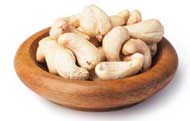
A cashew is technically a seed that grows inside a kidney-shaped drupe attached to a cashew apple, which is the fruit of the cashew tree. While commonly called a nut, it is botanically a seed, is often eaten as a snack, and is a good source of protein, healthy fats, and minerals like magnesium and copper. Cashew trees are native to Brazil but, are now grown in many warm climates.
History and Origin
Cashews originated in northeastern Brazil, where indigenous Tupi people first used them. Portuguese explorers brought the cashew tree to other parts of the world, like India and East Africa, in the 16th century. From there, it spread to other tropical regions and is now a commercially grown crop in countries such as India, Vietnam, Nigeria, and Brazil.
Cashews sold in Australia are primarily imported and available in raw, roasted, or various flavoured varieties, though a small amount of Australian-grown cashews are also available. Popular types include raw, roasted (salted or unsalted), honey-roasted, and organic cashews. Australian-grown cashews are typically premium king cashews, noted for being large kernels.
Common types and varieties
- Raw: Unprocessed cashews are available for roasting at home or for use in recipes.
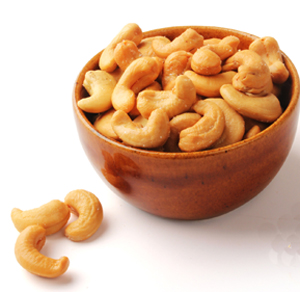
- Roasted: Cashews that have been roasted, often sold with or without salt. They have a more intense flavour and crunch.
- Flavoured: A wide range of flavoured cashews are sold, including honey-roasted, maple-flavoured, Thai sweet chili, and cinnamon.
- Organic: A growing selection of organic cashews is available, often processed without synthetic pesticides and chemicals.
Australian-grown cashews
- While most cashews are imported, a small amount is grown in Australia, primarily in the northern tropical regions of Queensland and the Northern Territory.
- These are often sold as premium "King Cashews," which are hand-sorted for their large size.
Nuts ” Cashew ” ( Nutritional value )
Nutritional Value per 100 g
Nuts, cashew nuts, dry roasted, with salt added
|
Nutrient ( Proximate’s )
|
Unit
|
Value
|
Daily Value %
|
|
Energy
|
kcal
|
574
|
28.7%
|
|
Protein
|
g
|
15.31
|
30.6%
|
|
Total lipid (fat)
|
g
|
46.35
|
59.4%
|
|
Carbohydrate, by difference
|
g
|
32.69
|
11.8%
|
|
Fiber, total dietary
|
g
|
3.0
|
1%
|
|
Total Sugars
|
g
|
5.01
|
|
|
Minerals
|
|||
|
Calcium, Ca
|
mg
|
45
|
3.4%
|
|
Iron, Fe
|
mg
|
6.00
|
33.3%
|
|
Magnesium, Mg
|
mg
|
260
|
61.9%
|
|
Phosphorus, P
|
mg
|
490
|
39.2%
|
|
Potassium, K
|
mg
|
565
|
12%
|
|
Sodium, Na
|
mg
|
640
|
27.8%
|
|
Zinc, Zn
|
mg
|
5.60
|
50.9%
|
|
Copper, Cu
|
mg
|
2.220
|
246.6%
|
|
Manganese, Mn
|
mg
|
0.826
|
35.9%
|
|
Selenium, Se
|
mcg
|
11.7
|
21.2%
|
|
Vitamins
|
|||
|
Vitamin C, total ascorbic acid
|
mg
|
0.0
|
0.0 |
|
Thiamin (B-1)
|
mg
|
0.200
|
16.6%
|
|
Riboflavin (B-2)
|
mg
|
0.200
|
15.3%
|
|
Niacin (B-3)
|
mg
|
1.400
|
8.7%
|
|
Pantothenic acid (B-5)
|
mg
|
1.217
|
24.3%
|
|
Vitamin (B-6)
|
mg
|
0.256
|
15%
|
|
Folate (B-9)
|
mcg
|
69
|
17.2%
|
|
Vitamin (B-12)
|
mcg
|
0.00
|
|
|
Vitamin A, RAE
|
mcg
|
0
|
|
|
Vitamin E (alpha-tocopherol)
|
mg
|
0.92
|
6.1%
|
|
Vitamin D (D2 + D3)
|
mcg
|
0
|
|
|
Vitamin K (phylloquinone)
|
mcg
|
34.7
|
28.9%
|
|
Lipids
|
|||
|
Saturated Fatty Acids
|
g
|
9.157
|
45.7%
|
|
Monounsaturated Fatty Acids
|
g
|
27.317
|
|
|
Polyunsaturated Fatty Acids
|
g
|
7.836
|
|
| Cholesterol |
mg
|
0
|
|
|
Carotenoids
|
|||
|
Beta-Carotene
|
mcg
|
0
|
|
|
Lutein + zeaxanthin
|
mcg
|
23
|
|

|
Reference Values are based on a 2,000 Calorie Intake, for Adults and Children 4 or More Years of Age. Your daily values may be higher or lower depending on your calorie needs.
|
|
Percentages are roughly approximated using (RDA) Recommended Dietary Allowances for adults. Source: USDA United States Department of Agriculture
|
|
Reference Values for Nutrition – FDA U.S. Food and Drug Administration
|
Cashews Nutritional Value
Cashews offer numerous health benefits, including improved heart health, bone strength, and immune function due to their rich content of healthy fats, magnesium, copper, and antioxidants. They can also aid in weight management, blood sugar control, and brain function, while also promoting healthy skin and vision.
HEALTHY FATS
Cashews contain healthy fats, primarily monounsaturated and polyunsaturated fats, which are beneficial for heart health by helping to lower bad cholesterol levels. These healthy fats can also support overall cellular health and contribute to feeling fuller for longer.BLOOD PRESSURE
Cashews may help lower blood pressure, with some studies showing that a cashew-enriched diet can reduce both systolic and diastolic blood pressure. They are a source of magnesium, which is known to help lower high blood pressure, and contain heart-healthy monounsaturated and polyunsaturated fats. For the greatest benefit, choose raw or dry-roasted, unsalted cashews, as salted or heavily seasoned varieties can be high in sodium, which is detrimental to blood pressure.PROTECT THE EYES
Cashews protect the eyes by providing essential nutrients like lutein, zeaxanthin, zinc, and vitamin E, which help shield the retina from harmful UV rays and blue light. These compounds support overall eye health, may reduce the risk of age-related macular degeneration and cataracts, and aid in maintaining night vision.NUTRIENT-RICH
Cashews are nutrient-rich, providing a good source of protein, healthy fats, and essential vitamins and minerals like copper, magnesium, manganese, zinc, and iron. They contain B vitamins, vitamin K, and antioxidants, supporting bone health, energy production, and heart health.SKIN AND HAIR
Cashews providing vitamins (like E and B6) and minerals (like copper, zinc, and magnesium) that support collagen production, promote healthy skin hydration, protect against damage, and support hair growth and strength. Key nutrients like zinc aid in skin repair and prevent hair loss, while copper supports melanin production for skin and hair pigment. The healthy fats in cashews keep skin moisturized and soft.
BLOOD SUGAR CONTROL
Cashews can help with blood sugar control due to their low glycaemic index and rich content of fiber, healthy fats, and magnesium, which can slow sugar absorption, reduce insulin resistance, and improve insulin sensitivity. However, moderation is crucial because of their high calorie and carbohydrate content, and it's best to choose unsalted versions to avoid other health complicationsSUPPORT BRAIN FUNCTION
Cashews support brain function by providing essential nutrients like magnesium, copper, and healthy fats that enhance cognitive processes, memory, and mood. They also contain antioxidants that protect against oxidative stress and neurodegenerative diseases. Key mechanisms include improving blood flow, regulating neurotransmitters, and building brain cell membranes.BONE AND MUSCLE HEALTH
Cashews support bone and muscle health due to their rich content of magnesium, copper, phosphorus, and protein. Magnesium is essential for bone formation and muscle function, while copper helps build strong bones and connective tissues like collagen and elastin. Phosphorus is also key for bone health, and the protein in cashews aids in muscle tissue repair and growth.IMMUNE SUPPORT
Cashews are good for your immune system because they are rich in nutrients like zinc, copper, and antioxidants that help the body fight infections and reduce inflammation. A daily serving can contribute to a healthier immune response.SUPPORT METABOLISM
Cashews support metabolism through their high content of copper, magnesium, and niacin, which are essential for energy production and metabolic regulation. They can also aid in weight management by promoting feelings of fullness, which can lead to reduced calorie intake. Additionally, cashews contain healthy fats and protein, and a low-glycaemic index, which can benefit blood glucose control.
References
Nutrient Database – USDA (United States Department of Agriculture)
Reference Values for Nutrition – FDA U.S. Food and Drug Administration
Healthy fats - Cashews contain healthy fats, primarily monounsaturated and polyunsaturated fats, which are beneficial for heart health by helping to lower bad cholesterol levels. These healthy fats can also support overall cellular health and contribute to feeling fuller for longer.
Blood pressure - Cashews may help lower blood pressure, with some studies showing that a cashew-enriched diet can reduce both systolic and diastolic blood pressure. They are a source of magnesium, which is known to help lower high blood pressure, and contain heart-healthy monounsaturated and polyunsaturated fats. For the greatest benefit, choose raw or dry-roasted, unsalted cashews, as salted or heavily seasoned varieties can be high in sodium, which is detrimental to blood pressure.
Bone and muscle health - Cashews support bone and muscle health due to their rich content of magnesium, copper, phosphorus, and protein. Magnesium is essential for bone formation and muscle function, while copper helps build strong bones and connective tissues like collagen and elastin. Phosphorus is also key for bone health, and the protein in cashews aids in muscle tissue repair and growth.
Nutrient-rich - Cashews are nutrient-rich, providing a good source of protein, healthy fats, and essential vitamins and minerals like copper, magnesium, manganese, zinc, and iron. They contain B vitamins, vitamin K, and antioxidants, supporting bone health, energy production, and heart health.
Support metabolism - Cashews support metabolism through their high content of copper, magnesium, and niacin, which are essential for energy production and metabolic regulation. They can also aid in weight management by promoting feelings of fullness, which can lead to reduced calorie intake. Additionally, cashews contain healthy fats and protein, and a low-glycaemic index, which can benefit blood glucose control.
Blood sugar control - Cashews can help with blood sugar control due to their low glycaemic index and rich content of fiber, healthy fats, and magnesium, which can slow sugar absorption, reduce insulin resistance, and improve insulin sensitivity. However, moderation is crucial because of their high calorie and carbohydrate content, and it's best to choose unsalted versions to avoid other health complications.
Support brain function - Cashews support brain function by providing essential nutrients like magnesium, copper, and healthy fats that enhance cognitive processes, memory, and mood. They also contain antioxidants that protect against oxidative stress and neurodegenerative diseases. Key mechanisms include improving blood flow, regulating neurotransmitters, and building brain cell membranes.
Protect the eyes - Cashews protect the eyes by providing essential nutrients like lutein, zeaxanthin, zinc, and vitamin E, which help shield the retina from harmful UV rays and blue light. These compounds support overall eye health, may reduce the risk of age-related macular degeneration and cataracts, and aid in maintaining night vision.
Immune support - Cashews are good for your immune system because they are rich in nutrients like zinc, copper, and antioxidants that help the body fight infections and reduce inflammation. A daily serving can contribute to a healthier immune response.
Skin and hair - Cashews benefit skin and hair by providing vitamins (like E and B6) and minerals (like copper, zinc, and magnesium) that support collagen production, promote healthy skin hydration, protect against damage, and support hair growth and strength. Key nutrients like zinc aid in skin repair and prevent hair loss, while copper supports melanin production for skin and hair pigment. The healthy fats in cashews keep skin moisturized and soft.