




1. Chia Seed Facts
2. Types of Chia Seeds
3. Chia Seed Nutritional Value
4. Chia Seed Health Benefits
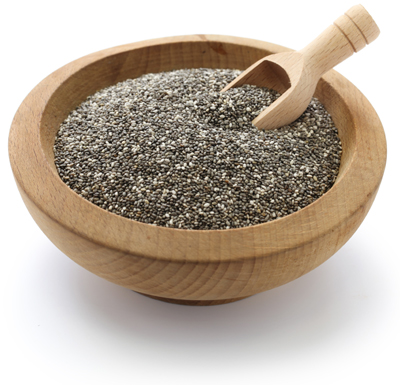
Chia seeds are tiny, oval-shaped seeds from the mint family plant, Salvia hispanica, native to Mexico and Guatemala. They are a nutritional powerhouse, packed with fiber, omega-3 fatty acids, protein, and antioxidants. When soaked, chia seeds absorb up to 12 times their weight in liquid and form a thick gel, a characteristic that makes them useful in cooking and baking.
The scientific name for chia seeds is Salvia hispanica L. It is a plant in the mint family, and the seeds are often sold under the common name "chia".
History and Origin
Chia seeds originate from the Salvia hispanic plant, native to central and southern Mexico and Guatemala, where they were a staple food for ancient Aztec and Mayan civilizations. The name "chia" comes from the Aztec word for "strength," reflecting its importance for sustenance, trade, tribute, and religious rituals. After the Spanish conquest, cultivation and use nearly disappeared but were revived in modern times, making chia a popular superfood again.
The main types of chia seeds grown and sold in Australia are black chia seeds and white chia seeds. Both types are available in both regular and organic varieties.
Seed types
- Black chia seeds: These seeds are a popular choice for their visual appeal in many dishes and puddings. They are available in both regular and organic forms.
- White chia seeds: These are preferred by some for their more neutral appearance in recipes, but they offer the same high nutritional profile as black chia seeds. They are also available in regular and organic varieties.
- Nutritional Similarity: Both black and white chia seeds are nutrient-dense, rich in omega-3
- Geographic Location: Australian chia is often grown in Queensland, where the climate is suitable for chia cultivation.
Seeds ” Chia Seed ” ( Nutritional value )
Nutritional Value per 100 g
Seeds, chia seeds, dried
|
Nutrient ( Proximate’s )
|
Unit
|
Value
|
Daily Value %
|
|
Energy
|
kcal
|
486
|
24.3%
|
|
Protein
|
g
|
16.54
|
33%
|
|
Total lipid (fat)
|
g
|
30.74
|
4.7%
|
|
Carbohydrate, by difference
|
g
|
42.12
|
15.3%
|
|
Fiber, total dietary
|
g
|
34.4
|
122.8%
|
|
Total Sugars
|
g
|
||
|
Minerals
|
|||
|
Calcium, Ca
|
mg
|
631
|
48.5%
|
|
Iron, Fe
|
mg
|
7.72
|
42.8%
|
|
Magnesium, Mg
|
mg
|
335
|
79.7%
|
|
Phosphorus, P
|
mg
|
860
|
68.8%
|
|
Potassium, K
|
mg
|
407
|
8.6%
|
|
Sodium, Na
|
mg
|
16
|
0.6%
|
|
Zinc, Zn
|
mg
|
4.58
|
41.6%
|
|
Copper, Cu
|
mg
|
0.924
|
102.6%
|
|
Manganese, Mn
|
mg
|
2.723
|
118.3%
|
|
Selenium, Se
|
mcg
|
55.2
|
100.3%
|
|
Vitamins
|
|||
|
Vitamin C, total ascorbic acid
|
mg
|
1.6
|
1.7%
|
|
Thiamin (B-1)
|
mg
|
0.620
|
51.6%
|
|
Riboflavin (B-2)
|
mg
|
0.170
|
13%
|
|
Niacin (B-3)
|
mg
|
8.830
|
55.1%
|
|
Folate (B-9)
|
mcg
|
49
|
12.2%
|
|
Vitamin (B-12)
|
mcg
|
0.00
|
|
|
Vitamin A, RAE
|
mcg
|
||
|
Vitamin E (alpha-tocopherol)
|
mg
|
0.50
|
3.3%
|
|
Lipids
|
|||
|
Saturated Fatty Acids
|
g
|
3.330
|
16.6%
|
|
Monounsaturated Fatty Acids
|
g
|
2.309
|
|
|
Polyunsaturated Fatty Acids
|
g
|
23.665
|
|
|
Trans Fatty Acids
|
g
|
0.140
|
|
|
Cholesterol
|
mg
|
0
|
|
|
Reference Values are based on a 2,000 Calorie Intake, for Adults and Children 4 or More Years of Age. Your daily values may be higher or lower depending on your calorie needs.
|
|
Percentages are roughly approximated using (RDA) Recommended Dietary Allowances for adults. Source: USDA United States Department of Agriculture
|
|
Reference Values for Nutrition – FDA U.S. Food and Drug Administration
|
Chia Seeds Nutritional Value
Chia seeds are packed with nutrients, including fiber, protein, omega-3 fatty acids, and antioxidants, which offer numerous health benefits like supporting heart health, aiding digestion, and improving bone health. They can help with weight management due to their fiber and protein content, which promote fullness, and their omega-3s contribute to reduced inflammation. Additionally, chia seeds can support healthy blood sugar levels and provide essential minerals.
MAY LOWER BLOOD PRESSURE
Chia seeds may help lower blood pressure due to their rich content of fiber, omega-3 fatty acids, and antioxidants like quercetin, which are associated with better cardiovascular health. Some studies show that incorporating chia seeds can lead to a significant reduction in both systolic and diastolic blood pressure, although a person should consult a healthcare provider before making major dietary changes, especially if they take blood pressure medication.SUPPORTS GUT HEALTH
Chia seeds support gut health by being a great source of fiber, which promotes regular bowel movements and can alleviate constipation by softening stool and adding bulk. When soaked, they form a gel that aids digestion and can help regulate blood sugar, body weight, and cholesterol. Additionally, the seeds are rich in prebiotics and antioxidants, which support a healthy balance of gut bacteria and protect against cell damage.HEART AND METABOLIC HEALTH
Chia seeds support heart and metabolic health by providing omega-3 fatty acids, fiber, and antioxidants, which can help lower blood pressure, reduce “bad” LDL and triglyceride levels, and improve blood sugar control. These nutrients contribute to reduced inflammation and overall cardiovascular healthRICH IN OMEGA-3S
Chia seeds are rich in omega-3 fatty acids, specifically alpha-linolenic acid (ALA), which is a plant-based source that benefits heart health by reducing inflammation and lowering blood pressure. They also provide fiber, protein, and antioxidants, making them a nutrient-dense food suitable for plant-based diets.LOWERS CHOLESTEROL
Chia seeds can help lower cholesterol, primarily due to their high content of soluble fiber and omega-3 fatty acids. The soluble fiber lowers “bad” LDL cholesterol and triglycerides, while the omega-3s can increase “good” HDL cholesterol. They can also help with weight management and reduce inflammation, both of which are beneficial for heart health.
BENEFIT EYE HEALTH
Chia seeds benefit eye health primarily because they are rich in omega-3 fatty acids, which help with dry eyes, inflammation, and retinal health. They also support the body's conversion of plant-based omega-3s into the DHA found in the retina. Incorporating chia seeds into a balanced diet, along with other eye-healthy foods, can contribute to better vision.HELPS REGULATE BLOOD SUGAR
Chia seeds can help regulate blood sugar due to their high fiber and protein content, which slows sugar absorption and prevents blood sugar spikes. This is because the fiber forms a gel in the digestive tract, releasing sugar into the bloodstream more slowly, and the protein helps stabilize blood sugar levels and provides sustained energy. However, individuals with diabetes on medication should consult a doctor, as regular consumption might necessitate a dosage adjustment.BOOSTS BONE HEALTH
Chia seeds boost bone health because they are rich in calcium, phosphorus, and magnesium, which are essential minerals for building and maintaining strong bones. They also provide manganese, a cofactor in bone formation, and the omega-3 fatty acid ALA, which may also contribute to bone health.GOOD SOURCE OF ANTIOXIDANTS
Chia seeds are a good source of antioxidants like quercetin, caffeic acid, and chlorogenic acid, which help protect the body from free radical damage that can contribute to aging and diseases like cancer and heart disease. These antioxidants also help reduce inflammation and support overall health, including heart and liver function.PROMOTES HEALTHY SKIN
Chia seeds promote healthy skin by providing hydration, reducing inflammation, and protecting against damage through their high content of omega-3 fatty acids, antioxidants, and fiber. These nutrients help combat signs of aging like fine lines, soothe inflammatory skin conditions, and support a healthy skin barrier by retaining moisture.
References
Nutrient Database – USDA (United States Department of Agriculture)
Reference Values for Nutrition – FDA U.S. Food and Drug Administration
Benefit eye health - Chia seeds benefit eye health primarily because they are rich in omega-3 fatty acids, which help with dry eyes, inflammation, and retinal health. They also support the body's conversion of plant-based omega-3s into the DHA found in the retina. Incorporating chia seeds into a balanced diet, along with other eye-healthy foods, can contribute to better vision.
Supports gut health - Chia seeds support gut health by being a great source of fiber, which promotes regular bowel movements and can alleviate constipation by softening stool and adding bulk. When soaked, they form a gel that aids digestion and can help regulate blood sugar, body weight, and cholesterol. Additionally, the seeds are rich in prebiotics and antioxidants, which support a healthy balance of gut bacteria and protect against cell damage.
Heart and metabolic health - Chia seeds support heart and metabolic health by providing omega-3 fatty acids, fiber, and antioxidants, which can help lower blood pressure, reduce “bad” LDL and triglyceride levels, and improve blood sugar control. These nutrients contribute to reduced inflammation and overall cardiovascular health.
Rich in omega-3s - Chia seeds are rich in omega-3 fatty acids, specifically alpha-linolenic acid (ALA), which is a plant-based source that benefits heart health by reducing inflammation and lowering blood pressure. They also provide fiber, protein, and antioxidants, making them a nutrient-dense food suitable for plant-based diets.
Lowers cholesterol - Chia seeds can help lower cholesterol, primarily due to their high content of soluble fiber and omega-3 fatty acids. The soluble fiber lowers “bad” LDL cholesterol and triglycerides, while the omega-3s can increase “good” HDL cholesterol. They can also help with weight management and reduce inflammation, both of which are beneficial for heart health.
May lower blood pressure - Chia seeds may help lower blood pressure due to their rich content of fiber, omega-3 fatty acids, and antioxidants like quercetin, which are associated with better cardiovascular health. Some studies show that incorporating chia seeds can lead to a significant reduction in both systolic and diastolic blood pressure, although a person should consult a healthcare provider before making major dietary changes, especially if they take blood pressure medication.
Helps regulate blood sugar - Chia seeds can help regulate blood sugar due to their high fiber and protein content, which slows sugar absorption and prevents blood sugar spikes. This is because the fiber forms a gel in the digestive tract, releasing sugar into the bloodstream more slowly, and the protein helps stabilize blood sugar levels and provides sustained energy. However, individuals with diabetes on medication should consult a doctor, as regular consumption might necessitate a dosage adjustment.
Boosts bone health - Chia seeds boost bone health because they are rich in calcium, phosphorus, and magnesium, which are essential minerals for building and maintaining strong bones. They also provide manganese, a cofactor in bone formation, and the omega-3 fatty acid ALA, which may also contribute to bone health.
Good source of antioxidants - Chia seeds are a good source of antioxidants like quercetin, caffeic acid, and chlorogenic acid, which help protect the body from free radical damage that can contribute to aging and diseases like cancer and heart disease. These antioxidants also help reduce inflammation and support overall health, including heart and liver function.
Promotes healthy skin - Chia seeds promote healthy skin by providing hydration, reducing inflammation, and protecting against damage through their high content of omega-3 fatty acids, antioxidants, and fiber. These nutrients help combat signs of aging like fine lines, soothe inflammatory skin conditions, and support a healthy skin barrier by retaining moisture.