

1. Hemp Seed Facts
2. Types of Hemp Seed
3. Hemp Seed Nutritional Value
4. Hemp Seed Health Benefits
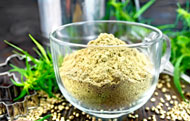
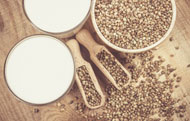
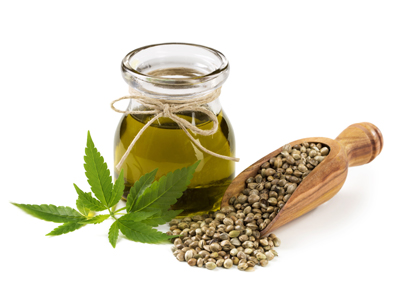
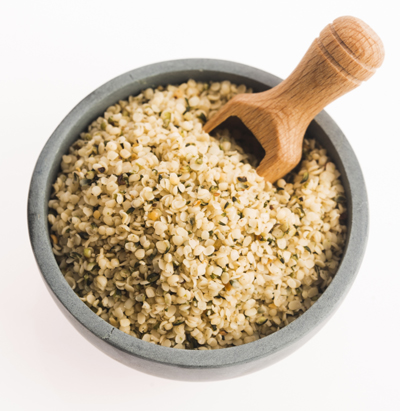
Hemp seeds (Cannabis sativa L.) are small, oval, non-psychoactive seeds from a plant that have a mild, nutty flavour and a creamy interior. They are a highly nutritious food, rich in protein, essential fatty acids, fiber, vitamins, and minerals. Hemp seeds can be eaten raw or processed and are used in cooking, baking, or sprinkled on various foods.
The scientific name for hemp is Cannabis sativa L.. While Cannabis is a genus with disputed species, industrial hemp varieties are specifically classified as Cannabis sativa.
History and Origin
Circa 8,000 BC: Hemp becomes one of the first cultivated agricultural crops. Villagers in ancient Mesopotamia use hemp cord in their pottery. Throughout the next few thousand years, hemp seeds and oil are consumed as food in ancient China, and hemp is used to make textiles throughout China and modern-day Turkestan.
- • Sativa Hemp
- • Indica Hemp
- • Hybrid Hemp
There are different genetic types of hemp seeds generally divided into three main groups: Indica, Sativa and Hybrid. A classification that has existed since the 18th century, a time when the first taxonomic distinctions were made, when differences were noted between their structure and resin production.
While commonly used to categorize cannabis in general, the classification of Indica, Sativa, and Hybrid is often applied to describe the genetic lineage and physical characteristics of hemp seeds and plants.
Three main genetic groups regarding hemp seeds
- Sativa Hemp: Known for producing taller, lanky plants with narrow, light-green leaves. Sativa strains thrive in warmer climates and are generally associated with a more energizing or "stimulating" profile.
- Indica Hemp: These plants are typically shorter and bushier, featuring wide, dark green leaves. They are often favoured for faster flowering times and are known to be more robust, often associated with a calming effect.
- Hybrid Hemp: Most modern hemp seeds on the market are hybrids, which are specifically bred to combine the best characteristics of both Indica and Sativa, such as high fiber yield combined with faster growth. Hybrids are often labelled as Sativa-dominant or Indica-dominant depending on their genetic inheritance.
Context on Hemp vs. Marijuana Seeds
- Although these categories apply to the Cannabis sativa L. species, it is important to note that industrial hemp is legally defined by its low THC content (typically 0.3% or less). The Indica/Sativa distinction is more useful for describing plant morphology (how they look) and growing patterns rather than psychoactive effects.
Other Classifications
In addition to the genetic types, hemp seeds are frequently categorized by their growth habits
- Photoperiodic: Seeds that require specific light cycles to transition from the vegetative stage to flowering.
- Autoflowering: Seeds that automatically transition to the flowering stage based on age rather than light cycles, usually resulting in a faster, smaller harvest.
- Feminized: Seeds specially bred to produce only female plants, which are necessary for producing flowers and seeds, rather than pollen-producing males.
Seeds ” Hemp Seed ” ( Nutritional value )
Nutritional Value per 100 g
Seeds, hemp seed, hulled
|
Nutrient ( Proximate’s )
|
Unit
|
Value
|
Daily Value %
|
|
Energy
|
kcal
|
553
|
27.6%
|
|
Protein
|
g
|
31.56
|
63.1%
|
|
Total lipid (fat)
|
g
|
48.75
|
62.5%
|
|
Carbohydrate, by difference
|
g
|
8.67
|
3.1%
|
|
Fiber, total dietary
|
g
|
4.0
|
14.2%
|
|
Total Sugars
|
g
|
1.50
|
|
|
Minerals
|
|||
|
Calcium, Ca
|
mg
|
70
|
5.3%
|
|
Iron, Fe
|
mg
|
7.95
|
44.1%
|
|
Magnesium, Mg
|
mg
|
700
|
166.6%
|
|
Phosphorus, P
|
mg
|
1650
|
132%
|
|
Potassium, K
|
mg
|
1200
|
25.5%
|
|
Sodium, Na
|
mg
|
5
|
0.2%
|
|
Zinc, Zn
|
mg
|
9.90
|
90%
|
|
Copper, Cu
|
mg
|
1.600
|
177.7%
|
|
Manganese, Mn
|
mg
|
7.600
|
330.4%
|
|
Vitamins
|
|||
|
Vitamin C, total ascorbic acid
|
mg
|
0.5
|
0.5%
|
|
Thiamin (B-1)
|
mg
|
1.275
|
106.2%
|
|
Riboflavin (B-2)
|
mg
|
0.285
|
21.9%
|
|
Niacin (B-3)
|
mg
|
9.200
|
57.5%
|
| Vitamin (B-6) |
mg
|
0.600
|
35.2%
|
|
Folate (B-9)
|
mcg
|
110
|
27.5%
|
|
Vitamin (B-12)
|
mcg
|
||
|
Vitamin A, RAE
|
mcg
|
||
| Vitamin E (alpha-tocopherol) |
mg
|
0.80
|
5.3%
|
|
Lipids
|
|||
|
Saturated Fatty Acids
|
g
|
4.600
|
23%
|
|
Monounsaturated Fatty Acids
|
g
|
5.400
|
|
|
Polyunsaturated Fatty Acids
|
g
|
38.100
|
|
|
Trans Fatty Acids
|
g
|
0.000
|
|
|
Cholesterol
|
mg
|
0
|
|
|
Carotenoids
|
|||
|
Beta-Carotene
|
mcg
|
7
|
|
|
Reference Values are based on a 2,000 Calorie Intake, for Adults and Children 4 or More Years of Age. Your daily values may be higher or lower depending on your calorie needs.
|
|
Percentages are roughly approximated using (RDA) Recommended Dietary Allowances for adults. Source: USDA United States Department of Agriculture
|
|
Reference Values for Nutrition – FDA U.S. Food and Drug Administration
|
Hemp Seeds Nutritional Value
Hemp seeds are a highly nutritious superfood packed with 30% healthy fats (Omega-3 and Omega-6) and over 25% high-quality, complete protein.
Safe for daily consumption (2-3 tbsp), they are versatile, mild-tasting, and often used in smoothies, salads, and yogurts.
Hemp seeds provide numerous health benefits due to their rich profile of complete protein, healthy fats (including a balanced omega-6 to omega-3 ratio), fiber, vitamins, and minerals. They support heart health by lowering cholesterol and blood pressure, aid digestion, and may reduce inflammation and improve skin and brain health.
ANTIOXIDANT EFFECTS
Hemp seeds have antioxidant effects due to their rich content of antioxidants like phenols, flavonoids, and phytosterols, which help protect cells from damage caused by free radicals. By neutralizing free radicals, these antioxidants may help reduce oxidative stress and inflammation, potentially lowering the risk of conditions like certain cancers and cardiovascular disease.BRAIN FUNCTION
Hemp seeds benefit brain function due to their balance of omega-3 and omega-6 fatty acids, which support cell membranes and neurotransmitter function. They also contain antioxidants and polyphenols that protect against inflammation and oxidative stress, which may help with age-related cognitive decline and conditions like Alzheimer's. Hemp seeds are a source of all nine essential amino acids, which are used by the brain to build proteins critical for its function.GOOD SOURCE OF IRON
Hemp seeds support iron health by providing a good source of iron, which is essential for creating haemoglobin that carries oxygen in the blood. This can help prevent or correct iron-deficiency anaemia, especially for individuals on a plant-based diet. While hemp seeds contain iron, incorporating them with foods high in Vitamin C can help improve absorption.REDUCED INFLAMMATION
Hemp seeds are rich in omega-3 and omega-6 fatty acids in an optimal 1:3 ratio and gamma-linolenic acid (GLA). These compounds have been shown to have anti-inflammatory effects, including modulating inflammatory pathways and inhibiting pro-inflammatory cytokines. Regular consumption may help lower chronic inflammation, which is linked to various conditions like heart disease and arthritis.RICH IN FATTY ACIDS
Hemp seeds are rich in fatty acids, containing high levels of polyunsaturated fats, particularly the essential omega-6 (linoleic acid) and omega-3 (alpha-linolenic acid) fatty acids. They also provide a beneficial omega-6 to omega-3 ratio of about 3:1, which is crucial for health. Other fatty acids in hemp seeds include gamma-linolenic acid (GLA), oleic acid, and stearic acid.
SUPPORT HEART HEALTH
Hemp seeds support heart health primarily through their rich content of healthy fats, amino acids, and other nutrients that help reduce inflammation and improve blood flow. They contain a good balance of omega-3 and omega-6 fatty acids, as well as arginine, an amino acid that helps produce nitric oxide to relax blood vessels, lower blood pressure, and potentially lower bad cholesterol levels.SUPPORT DIGESTION
Hemp seeds support digestion by providing fiber, which aids regularity and prevents constipation, and healthy fats, which can lubricate the intestines. They are a source of both soluble and insoluble fiber, which are important for gut health, while the omega-3 and omega-6 fatty acids and easily digestible protein can also help reduce gut inflammation. Starting with small amounts is recommended to avoid potential gas or bloating.A COMPLETE PROTEIN
Hemp seeds are a complete protein because they contain all nine essential amino acids that the body cannot produce on its own. This makes them a valuable plant-based protein source, comparable to animal products, and a great option for vegetarians, vegans, and others. Hemp seeds also provide healthy fats like omega-3 and omega-6, vitamins, and minerals.SKIN AND HAIR HEALTH
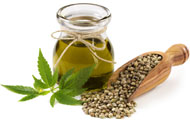
Hemp seed oil is extracted from the small seeds of the plant, which contain only trace levels of cannabinoids, but are richer in nutrients and those lovely fatty acids that nourish the overall condition of skin and hair. This makes hemp oil extremely popular in food and skincare products.OTHER HEALTH BENEFITING COMPOUNDS
Hemp seeds' bioactive compounds include bioactive peptides, polyphenols, and terpenes, which provide a wide range of health benefits, such as antioxidant, anti-inflammatory, and antimicrobial effects. Bioactive peptides have antioxidant and antihypertensive properties. Polyphenols are antioxidants and can help lower cholesterol and support cardiovascular health. Terpenes can provide anti-inflammatory effects and promote well-being.
References
Nutrient Database – USDA (United States Department of Agriculture)
Reference Values for Nutrition – FDA U.S. Food and Drug Administration
Support heart health - Hemp seeds support heart health primarily through their rich content of healthy fats, amino acids, and other nutrients that help reduce inflammation and improve blood flow. They contain a good balance of omega-3 and omega-6 fatty acids, as well as arginine, an amino acid that helps produce nitric oxide to relax blood vessels, lower blood pressure, and potentially lower bad cholesterol levels.
Support digestion - Hemp seeds support digestion by providing fiber, which aids regularity and prevents constipation, and healthy fats, which can lubricate the intestines. They are a source of both soluble and insoluble fiber, which are important for gut health, while the omega-3 and omega-6 fatty acids and easily digestible protein can also help reduce gut inflammation. Starting with small amounts is recommended to avoid potential gas or bloating.
Good source of iron - Hemp seeds support iron health by providing a good source of iron, which is essential for creating haemoglobin that carries oxygen in the blood. This can help prevent or correct iron-deficiency anaemia, especially for individuals on a plant-based diet. While hemp seeds contain iron, incorporating them with foods high in Vitamin C can help improve absorption.
Reduced inflammation - Hemp seeds may reduce inflammation due to their rich content of omega-3 and omega-6 fatty acids in an optimal 1:3 ratio and gamma-linolenic acid (GLA). These compounds have been shown to have anti-inflammatory effects, including modulating inflammatory pathways and inhibiting pro-inflammatory cytokines. Regular consumption may help lower chronic inflammation, which is linked to various conditions like heart disease and arthritis.
Skin and hair health - Hemp seed oil is extracted from the small seeds of the plant, which contain only trace levels of cannabinoids, but are richer in nutrients and those lovely fatty acids that nourish the overall condition of skin and hair. This makes hemp oil extremely popular in food and skincare products.
Antioxidant effects - Hemp seeds have antioxidant effects due to their rich content of antioxidants like phenols, flavonoids, and phytosterols, which help protect cells from damage caused by free radicals. By neutralizing free radicals, these antioxidants may help reduce oxidative stress and inflammation, potentially lowering the risk of conditions like certain cancers and cardiovascular disease.
Brain function - Hemp seeds benefit brain function due to their balance of omega-3 and omega-6 fatty acids, which support cell membranes and neurotransmitter function. They also contain antioxidants and polyphenols that protect against inflammation and oxidative stress, which may help with age-related cognitive decline and conditions like Alzheimer's. Hemp seeds are a source of all nine essential amino acids, which are used by the brain to build proteins critical for its function.
A complete protein - Hemp seeds are a complete protein because they contain all nine essential amino acids that the body cannot produce on its own. This makes them a valuable plant-based protein source, comparable to animal products, and a great option for vegetarians, vegans, and others. Hemp seeds also provide healthy fats like omega-3 and omega-6, vitamins, and minerals.
Rich in fatty acids - Hemp seeds are rich in fatty acids, containing high levels of polyunsaturated fats, particularly the essential omega-6 (linoleic acid) and omega-3 (alpha-linolenic acid) fatty acids. They also provide a beneficial omega-6 to omega-3 ratio of about 3:1, which is crucial for health. Other fatty acids in hemp seeds include gamma-linolenic acid (GLA), oleic acid, and stearic acid.
Other health benefiting compounds - Hemp seeds' bioactive compounds include bioactive peptides, polyphenols, and terpenes, which provide a wide range of health benefits, such as antioxidant, anti-inflammatory, and antimicrobial effects. Bioactive peptides have antioxidant and antihypertensive properties. Polyphenols are antioxidants and can help lower cholesterol and support cardiovascular health. Terpenes can provide anti-inflammatory effects and promote well-being.