

1. Lotus Seed Facts
2. Types of Lotus Seeds
3. Lotus Seed Nutritional Value
4. Lotus Seed Health Benefits
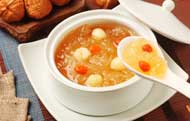
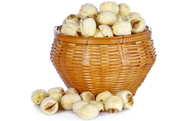
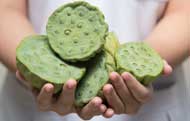
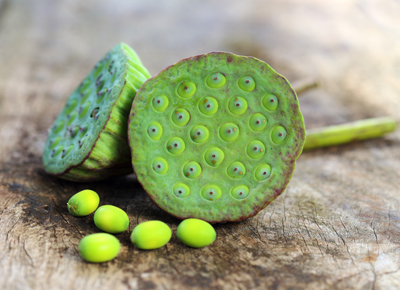
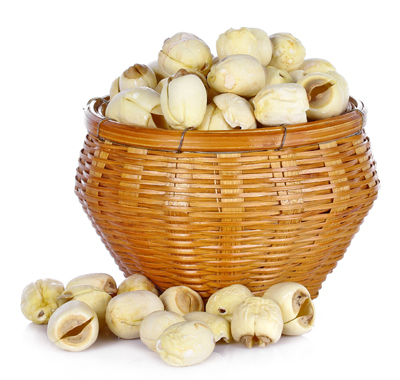
Lotus seeds are the edible seeds from the Nelumbo nucifera plant, native to tropical Asia and Australia. They are oval-shaped with a brownish coat, but can be processed to be white after de-shelling. These seeds have a mild, slightly sweet, and sometimes bitter taste and are used in both culinary and medicinal traditions. They are rich in carbohydrates, protein, and minerals, while being low in fat and calories, and are known for their ability to remain viable for long periods.
The scientific name for the lotus seed is Nelumbo nucifera. This refers to the plant species, and the seeds are a part of it.
History and Origin
Lotus seeds originate from the sacred lotus plant (Nelumbo nucifera), which was domesticated in Asia at least 7,000 years ago for its culinary, medicinal, and cultural uses. The plant has been cultivated across Asia and other parts of the world for millennia, with evidence of its use found in ancient China, India, and Egypt. Its history includes ancient cultivation for food and medicine and its continued symbolic importance.
- • Sacred Lotus (Nelumbo nucifera)
- • American Lotus (Nelumbo lutea)
- • Hybrids
- • Bowl/Mini Lotus
- • Tropical vs. Perennial
- • Dwarf vs. Large
The main types of lotus seeds sold and grown in Australia are the pink sacred lotus (Nelumbo nucifera) and the yellow American lotus (Nelumbo lutea). Varieties are available in colours like pink, yellow, and white, and range from dwarf types suitable for small containers to larger varieties.
Types of lotus
- Sacred Lotus (Nelumbo nucifera): A pink-flowered species that grows well in many parts of Australia. Australian native lotus are part of this group.
- American Lotus (Nelumbo lutea): A yellow-flowered lotus that originates from North America.
- Bowl/Mini Lotus: These are the smallest varieties, ideal for growing in small containers on balconies or windowsills.
- Hybrids: Many commercial lotus are hybrids of these two species, resulting in a variety of colours and flower types.
- Tropical vs. Perennial: Some varieties are tropical and grow year-round, while perennial varieties go dormant in cooler months.
- Dwarf vs. Large: There are dwarf varieties, perfect for small pots, and larger varieties that require more space.
Varieties available
- Colours: Seeds are sold for a variety of colours, including pink, yellow, white, and combinations like blue and plum.
- Specific Cultivars: Some specific cultivars are available, such as Chinese Blue Lotus and Chinese Red Lotus.
- Edible: Some varieties are specifically grown for their edible parts, such as the lotus root.
Seeds ” Lotus Seed ” ( Nutritional value )
Nutritional Value per 100 g
Seeds, lotus seeds, dried
|
Nutrient ( Proximate’s )
|
Unit
|
Value
|
Daily Value %
|
|
Energy
|
kcal
|
332
|
16.6%
|
|
Protein
|
g
|
15.41
|
30.8%
|
|
Total lipid (fat)
|
g
|
1.97
|
2.5%
|
|
Carbohydrate, by difference
|
g
|
64.47
|
23.4%
|
|
Minerals
|
|||
|
Calcium, Ca
|
mg
|
163
|
12.5%
|
|
Iron, Fe
|
mg
|
3.53
|
19.6%
|
|
Magnesium, Mg
|
mg
|
210
|
50%
|
|
Phosphorus, P
|
mg
|
626
|
50%
|
|
Potassium, K
|
mg
|
1368
|
29.1%
|
|
Sodium, Na
|
mg
|
5
|
0.2%
|
|
Zinc, Zn
|
mg
|
1.05
|
9.5%
|
|
Copper, Cu
|
mg
|
0.350
|
38.8%
|
|
Manganese, Mn
|
mg
|
2.318
|
100.7%
|
|
Vitamins
|
|||
|
Vitamin C, total ascorbic acid
|
mg
|
0.0
|
|
|
Thiamin (B-1)
|
mg
|
0.640
|
53.3%
|
|
Riboflavin (B-2)
|
mg
|
0.150
|
11.5%
|
|
Niacin (B-3)
|
mg
|
1.600
|
10%
|
|
Pantothenic acid (B-5)
|
mg
|
0.851
|
17%
|
| Vitamin (B-6) |
mg
|
0.629
|
37%
|
|
Folate (B-9)
|
mcg |
104
|
26%
|
|
Vitamin (B-12)
|
mcg
|
0.00
|
|
|
Vitamin A, RAE
|
mcg
|
||
|
Vitamin D (D2 + D3)
|
mcg
|
0.0
|
|
|
Vitamin D
|
mcg
|
0
|
|
|
Lipids
|
|||
|
Saturated Fatty Acids
|
g
|
0.330
|
1.6%
|
|
Monounsaturated Fatty Acids
|
g
|
0.388
|
|
|
Polyunsaturated Fatty Acids
|
g
|
1.166
|
|
|
Cholesterol
|
mg
|
0
|
|
|
Reference Values are based on a 2,000 Calorie Intake, for Adults and Children 4 or More Years of Age. Your daily values may be higher or lower depending on your calorie needs.
|
|
Percentages are roughly approximated using (RDA) Recommended Dietary Allowances for adults. Source: USDA United States Department of Agriculture
|
|
Reference Values for Nutrition – FDA U.S. Food and Drug Administration
|
Lotus Seeds Nutritional Value
Lotus seeds are rich in nutrients and offer various health benefits, including antioxidant and anti-inflammatory effects, blood sugar management, heart health support, and digestive aid. They contain antioxidants like gallic acid and ellagic acid, along with minerals such as magnesium and calcium, and are low in fat and cholesterol. Their high fiber and protein content can also aid in weight management by promoting fullness.
HEART HEALTH
Lotus seeds benefit heart health by helping to lower blood pressure with potassium and magnesium, reducing bad cholesterol through fiber, and protecting against oxidative stress with antioxidants. Their low-fat and low-cholesterol content make them a heart-healthy snack, and compounds like alkaloids and isoquinoline have vasodilating effects that support healthy blood pressure.BONE HEALTH
Lotus seeds may benefit bone health due to their high calcium content, and research suggests that calcium-bound peptides from lotus seeds can enhance osteoblast differentiation and bone formation by activating key pathways and proteins. These seeds contain essential minerals like calcium, magnesium, and phosphorus, which are crucial for maintaining healthy bones and supporting bone tissue engineering applications.WEIGHT MANAGEMENT
Lotus seeds (makhana) are low in calories and fat, yet high in protein and fiber, which promotes fullness and curbs cravings. They also contain compounds that may help break down fat tissue and improve metabolism. Enjoy them roasted as a crunchy snack or add them to other healthy recipes.DIGESTIVE HEALTH
Lotus seeds support digestive health due to their high fiber content and prebiotic oligosaccharides, which promote a healthy gut microbiome and may relieve constipation. Traditional medicine has long used them to treat diarrhoea and improve digestion, though more human clinical research is needed to fully validate these effects.
EXCELLENT ANTIOXIDANT PROPERTIES
Lotus seeds are a good source of antioxidants, which help fight oxidative stress by neutralizing harmful free radicals. These antioxidants include compounds like gallic acid, chlorogenic acid, and epicatechin. By protecting against cellular damage, the antioxidants in lotus seeds may help lower the risk of chronic diseases such as heart disease and cancer.HAVE ANTI-INFLAMMATORY EFFECTS
Lotus seeds have anti-inflammatory properties due to compounds like flavonoids, alkaloids, and proteins, which can suppress inflammatory markers and pathways. Research shows they can inhibit pro-inflammatory cytokines and act by regulating signalling pathways such as NF-κB and MAPK.SKIN HEALTH
Lotus seeds benefit skin health by acting as an antioxidant, anti-inflammatory, and anti-aging agent. They contain beneficial enzymes that help repair damaged proteins and can hydrate dry skin, reduce acne, and protect against UV damage. These effects are why lotus seed extracts are used in various skincare products for anti-wrinkle and skin-brightening purposes.NUTRIENT-RICH
Lotus seeds are nutrient-rich, providing a good source of protein, fiber, and essential minerals like magnesium, phosphorus, potassium, and calcium. They are also packed with antioxidants and B vitamins, particularly thiamin, and have a low glycaemic index, making them a healthy addition to a diet for supporting muscle growth, bone health, heart function, and digestion.
References
Nutrient Database – USDA (United States Department of Agriculture)
Reference Values for Nutrition – FDA U.S. Food and Drug Administration
Excellent antioxidant properties - Lotus seeds are a good source of antioxidants, which help fight oxidative stress by neutralizing harmful free radicals. These antioxidants include compounds like gallic acid, chlorogenic acid, and epicatechin. By protecting against cellular damage, the antioxidants in lotus seeds may help lower the risk of chronic diseases such as heart disease and cancer.
Have anti-inflammatory effects - Lotus seeds have anti-inflammatory properties due to compounds like flavonoids, alkaloids, and proteins, which can suppress inflammatory markers and pathways. Research shows they can inhibit pro-inflammatory cytokines and act by regulating signalling pathways such as NF-κB and MAPK.
Heart health - Lotus seeds benefit heart health by helping to lower blood pressure with potassium and magnesium, reducing bad cholesterol through fiber, and protecting against oxidative stress with antioxidants. Their low-fat and low-cholesterol content make them a heart-healthy snack, and compounds like alkaloids and isoquinoline have vasodilating effects that support healthy blood pressure.
Digestive health - Lotus seeds support digestive health due to their high fiber content and prebiotic oligosaccharides, which promote a healthy gut microbiome and may relieve constipation. Traditional medicine has long used them to treat diarrhoea and improve digestion, though more human clinical research is needed to fully validate these effects.
Weight management - Lotus seeds (makhana) support weight management because they are low in calories and fat, yet high in protein and fiber, which promotes fullness and curbs cravings. They also contain compounds that may help break down fat tissue and improve metabolism. Enjoy them roasted as a crunchy snack or add them to other healthy recipes.
Bone health - Lotus seeds may benefit bone health due to their high calcium content, and research suggests that calcium-bound peptides from lotus seeds can enhance osteoblast differentiation and bone formation by activating key pathways and proteins. These seeds contain essential minerals like calcium, magnesium, and phosphorus, which are crucial for maintaining healthy bones and supporting bone tissue engineering applications.
Skin health - Lotus seeds benefit skin health by acting as an antioxidant, anti-inflammatory, and anti-aging agent. They contain beneficial enzymes that help repair damaged proteins and can hydrate dry skin, reduce acne, and protect against UV damage. These effects are why lotus seed extracts are used in various skincare products for anti-wrinkle and skin-brightening purposes.
Nutrient-rich - Lotus seeds are nutrient-rich, providing a good source of protein, fiber, and essential minerals like magnesium, phosphorus, potassium, and calcium. They are also packed with antioxidants and B vitamins, particularly thiamin, and have a low glycaemic index, making them a healthy addition to a diet for supporting muscle growth, bone health, heart function, and digestion.