




1. Cucumber Facts
2. Types of Cucumber
3. Cucumber Nutritional value
4. Cucumber Health Benefits
The cucumber (Cucumis sativus) is a member of the Cucurbita, or gourd, family.
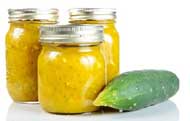
Cucumbers are also known as gherkins. The word gherkin comes from the Persian word for cucumber: “angarah.” The word "gherkin" in English often refers to cucumbers in their pickled form.
Research indicates that cucumber cultivation appeared in France in the 9th century, England in the 14th century, and in North America by the mid-16th century.
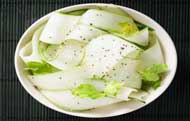
Cucumbers are generally eaten raw in salads or pickled. There are many lesser-known recipes with cooked cucumbers. Sweet or dill pickles, relishes, sauces, and dressings are made from cucumbers.
Cucumbers are mentioned in the Bible twice - Numbers 11:5 and Isaiah 1:8.
History and Origin
Cucumbers are believed to be a native of India and have been cultivated in western Asia for about 4,000 years.
The cucumber spread to the Mediterranean and was especially loved by the Romans, who are believed to have eventually introduced the vegetable to Europe.
The Romans not only cultivated the cucumber but also grew them in greenhouses so that Emperor Tiberius could enjoy them out of season. It is said that he ate cucumbers every day of the year and along with Julius Caesar was also a huge fan of pickles. Cleopatra is said to have credited pickles for at least some of her beauty.
Cucumbers were spread to the New World by the Spanish.
While cucumbers have been cultivated for thousands of years, they were not improved and hybridized until the late 1800s. Varieties that are well-known today stem from these hybrids.
- • Lebanese Cucumbers
- • Continental Cucumbers
- • Apple Cucumbers
- • Gherkin Cucumbers
- • Baby Cucumbers
- • Lemon Cucumbers
- • Kiwano (African Horned Cucumber)
Common cucumbers sold in Australia include Lebanese, Continental (also called Telegraph or Burpless), Apple, and Gherkin varieties. Lebanese are a popular slicing type with a mild flavour, Continental are longer and typically seedless, Apple are round and crunchy, and Gherkins are small and best for pickling.
Common cucumbers
- Lebanese: A very popular type for slicing, known for its mild, sweet flavour and edible skin.
- Continental: A long, large variety, also known as Telegraph or Burpless. It is typically smooth-skinned and seedless.
- Apple: A rounded, often creamy-white or light green cucumber with a crunchy texture. Some varieties may be peeled before eating. An heirloom variety called Crystal Apple is also grown, which has a sweet, mild taste and crunchy, white flesh.
- Gherkin: These are short, ridged, and slim cucumbers that are excellent for pickling.
- Lemon cucumber: A variety of Cucumis sativus known for its round, lemon-yellow fruit and mild, sweet flavour. Unlike many other cucumbers, it has thin, non-bitter skin and is delicious eaten raw with the skin on, like an apple. It grows on a climbing vine and is resistant to some fungal diseases, making it a popular choice for home gardens.
Other varieties
- Other types, like the African Horned Cucumber, are also grown, and many seed companies offer a range of other cultivars for home gardeners, including various pickling and slicing types.
Vegetables " Cucumber "
Nutritional value per 100 g
Cucumber, with peel, raw
|
Nutrient (Proximity)
|
Unit
|
Value
|
Daily Value %
|
|
Energy
|
kcal
|
15 | 0.7% |
|
Protein
|
g
|
0.65 | 1.3% |
|
Total lipid (fat)
|
g
|
0.11 | 0.1% |
|
Carbohydrate, by difference
|
g
|
3.63 | 1.3% |
|
Fiber, total dietary
|
g
|
0.5 | 1.7% |
|
Sugars, total
|
g
|
1.67
|
|
|
Minerals
|
|||
|
Calcium, Ca
|
mg
|
16 | 1.2% |
|
Iron, Fe
|
mg
|
0.28 | 1.5% |
|
Magnesium, Mg
|
mg
|
13 | 3% |
|
Phosphorus, P
|
mg
|
24 | 1.9% |
|
Potassium, K
|
mg
|
147 | 3.1% |
|
Sodium, Na
|
mg
|
2 | 00.8% |
|
Zinc, Zn
|
mg
|
0.20 | 1.8% |
|
Copper, Cu
|
mg
|
0.041 | 4.5% |
|
Manganese, Mn
|
mg
|
0.079 | 3.4% |
|
Selenium, Se
|
mcg
|
0.3 | 0.5% |
|
Vitamins
|
|||
|
Vitamin C, total ascorbic acid
|
mg
|
2.8 | 3.1% |
|
Thiamin (B-1)
|
mg
|
0.027 | 2.2% |
|
Riboflavin (B-2)
|
mg
|
0.033 | 2.5% |
|
Niacin (B-3)
|
mg
|
0.098 | 0.6% |
|
Pantothenic acid (B-5)
|
mg
|
0.259 | 5.1% |
|
Vitamin B-6
|
mg
|
0.040 | 2.3% |
|
Folate, total (B-9)
|
mcg
|
7 | 1.7% |
|
Vitamin B-12
|
mcg
|
0.00
|
|
|
Vitamin A, RAE
|
mcg
|
5 | 0.5% |
|
Vitamin E (alpha-tocopherol)
|
mg
|
0.03 | 0.2% |
|
Vitamin D
|
mcg
|
0
|
|
|
Vitamin K (phylloquinone)
|
mcg
|
16.4 | 13.6 |
|
Lipids
|
|||
|
Saturated Fatty Acids
|
g
|
0.037
|
0.1% |
|
Monounsaturated Fatty Acids
|
g
|
0.005
|
|
|
Polyunsaturated Fatty Acids
|
g
|
0.032
|
|
|
Trans Fatty Acids
|
g
|
0.000
|
|
|
Carotenoids
|
|||
|
Beta-Carotene
|
mcg
|
45
|
|
|
Alpha-Carotene
|
mcg
|
11
|
|
|
Beta-Cryptoxanthin
|
mcg
|
26
|
|
|
Lutein + zeaxanthin
|
mcg
|
23
|
|

Reference Values are based on a 2,000 Calorie Intake, for Adults and Children 4 or More Years of Age. Your daily values may be higher or lower depending on your calorie needs.
Percentages are roughly approximated using (RDA) Recommended Dietary Allowances for adults. Source: USDA United States Department of Agriculture.
Reference Values for Nutrition - FDA U.S. Food and Drug Administration.
Cucumber Nutritional Value
Nutrient dense skin
Most of the nutrients in cucumbers are in the skin.
Cucumbers provide health benefits such as hydration, antioxidants, and nutrients like vitamin K and potassium. They can support weight management, bone health, heart health, and skin health by aiding hydration, fighting inflammation, and regulating blood pressure.
Cucumbers can be used to make lotions, treat medical problems, and aid in meditation. Most of the nutrients in cucumbers are in the skin. They are a good source of vitamin C, vitamin A, and folic acid. The skin also contains the minerals molybdenum, potassium, magnesium, manganese, and silica. The mineral silica promotes strength in the connective tissues and joints.
Cucumbers are often used in facial masks to firm and tighten the skin. The ascorbic acid and caffeic acid in cucumbers reduce water retention and can help reduce swelling as well as puffiness around eyes. Slices of cucumber can be placed directly over the eyes or other swollen area or blended and used as a mask.
It is believed that cucumbers can reduce the pain and swelling of sunburn or windburn by placing slices on the skin or making a lotion. To make a cucumber lotion, juice a cucumber and mix the juice with equal parts glycerine and rose water. The phrase “cool as a cucumber” is reputed to be due to the fact of the high-water content and minerals in cucumbers to have a cooling effect on the blood.
BENEFICIAL FOR SKIN
Cucumber is beneficial for skin due to its high-water content, which hydrates, and its antioxidants, which protect against environmental damage. It also has anti-inflammatory and cooling properties that can soothe irritated skin, reduce puffiness, and help with issues like acne and redness.RICH IN NUTRIENTS
Cucumbers are rich in nutrients, primarily due to their high-water content (about 95-96%) which aids hydration, and they are packed with vitamins, minerals, and antioxidants. They are a good source of Vitamin K, which is important for blood clotting and bone health, and contain Vitamin C, B vitamins, potassium, and magnesium. Their antioxidant compounds, such as flavonoids and tannins, help protect against cell damage.SUBSTANTIAL ANTIOXIDANT ACTIVITY
Cucumbers contain antioxidants like flavonoids, tannins, and vitamin C that protect your body from damage caused by free radicals, which are linked to chronic diseases. These antioxidants can help reduce inflammation and oxidative stress, contributing to overall health.BLOOD SUGAR CONTROL
Cucumbers can help with blood sugar control due to their low glycaemic index, high water content, and low-calorie count, which make them a great for people managing diabetes. Their fiber can also help slow down digestion and prevent blood sugar spikes.
SUPPORTS HEART HEALTH
Cucumbers support heart health primarily due to their high potassium content, which helps regulate blood pressure by balancing sodium levels. They also contain antioxidants that protect against oxidative stress and inflammation, as well as fiber and sterols that can help lower LDL ("bad") cholesterol and reduce the risk of heart diseasePROMOTES DIGESTIVE HEALTH
Cucumbers promote digestive health primarily through their high water and fiber content, which helps prevent constipation and ensures regular bowel movements. The soluble fiber, pectin, aids in moving food through the digestive tract, while the high-water content softens stool. Cucumbers also contain enzymes and antioxidants that support gut function and can help reduce inflammation in the digestive tract.ALZHIEMERS DISEASE
Seniors with dementia can benefit from eating cucumbers. This is because Alzheimer's disease, Parkinson's disease, and many other age-related conditions are linked to heightened levels of brain inflammation.SUPPORT BONE STRENGTH
Cucumbers support bone strength due to their high vitamin K content, which helps the body create proteins for healthy bones and improves calcium absorption. Adequate vitamin K intake reduces fracture risk and helps maintain healthy bone mass. Cucumbers also contain other nutrients like vitamin C and calcium that are important for bone health.
References
Nutrient Database - USDA (United States Department of Agriculture)
Reference Values for Nutrition - FDA U.S. Food and Drug Administration
Alzheimer’s disease - Seniors with dementia can benefit from eating cucumbers. This is because Alzheimer's disease, Parkinson's disease, and many other age-related conditions are linked to heightened levels of brain inflammation.
Rich in nutrients - Cucumbers are rich in nutrients, primarily due to their high-water content (about 95-96%) which aids hydration, and they are packed with vitamins, minerals, and antioxidants. They are a good source of Vitamin K, which is important for blood clotting and bone health, and contain Vitamin C, B vitamins, potassium, and magnesium. Their antioxidant compounds, such as flavonoids and tannins, help protect against cell damage.
Substantial antioxidant activity - Cucumbers contain antioxidants like flavonoids, tannins, and vitamin C that protect your body from damage caused by free radicals, which are linked to chronic diseases. These antioxidants can help reduce inflammation and oxidative stress, contributing to overall health.
Blood sugar control - Cucumbers can help with blood sugar control due to their low glycaemic index, high water content, and low-calorie count, which make them a great, non-sugary food for people managing diabetes. Their fiber can also help slow down digestion and prevent blood sugar spikes. While animal and test-tube studies suggest cucumber extracts might have a more direct blood sugar-lowering effect, more human research is needed to confirm this for whole cucumbers.
Supports heart health - Cucumbers support heart health primarily due to their high potassium content, which helps regulate blood pressure by balancing sodium levels. They also contain antioxidants that protect against oxidative stress and inflammation, as well as fiber and sterols that can help lower LDL ("bad") cholesterol and reduce the risk of heart disease.
Promotes digestive health - Cucumbers promote digestive health primarily through their high water and fiber content, which helps prevent constipation and ensures regular bowel movements. The soluble fiber, pectin, aids in moving food through the digestive tract, while the high-water content softens stool. Cucumbers also contain enzymes and antioxidants that support gut function and can help reduce inflammation in the digestive tract.
Beneficial for skin - Cucumber is beneficial for skin due to its high-water content, which hydrates, and its antioxidants, which protect against environmental damage. It also has anti-inflammatory and cooling properties that can soothe irritated skin, reduce puffiness, and help with issues like acne and redness.
Support bone strength - Cucumbers support bone strength due to their high vitamin K content, which helps the body create proteins for healthy bones and improves calcium absorption. Adequate vitamin K intake reduces fracture risk and helps maintain healthy bone mass. Cucumbers also contain other nutrients like vitamin C and calcium that are important for bone health.
Cucumbers can help lower blood pressure (they are rich in potassium and water, and low in sodium). Potassium helps balance sodium levels by promoting the excretion of excess sodium through the kidneys, and its water content provides a diuretic effect that reduces fluid in the bloodstream, both of which lower blood pressure.
Cucumbers help prevent and relieve constipation (due to their high-water content and fiber). The water content promotes hydration, which keeps stools soft and easy to pass. The fiber in cucumbers adds bulk to stool and regulates bowel movements.
Alzheimer’s Disease and Vitamin K (accumulating evidence implicates dietary factors in reducing cognitive decline and dementia risk, including vitamin K).
Cucumbers contribute to skin firming and revitalization through ascorbic acid (Vitamin C) and caffeic acid by promoting collagen production, an essential protein for skin elasticity and structure, and by offering antioxidant benefits against aging. These compounds also help reduce puffiness by preventing water retention and contribute to a more supple, youthful complexion.
Cucumbers contain a trace mineral called silica (which is beneficial for connective tissue health by strengthening tendons, ligaments, and cartilage and promoting healthy joints, bones, and skin). While cucumbers are not the richest source of silica compared to foods like barley or oats, their silica content, especially in the skin, contributes to overall health benefits when consumed regularly.
Cucumbers promote bone health (because they are a good source of vitamin K, a nutrient essential for strong bones and preventing fractures). Vitamin K helps the body absorb calcium and activate proteins needed for bone formation, which contributes to healthy bone density.
Cucumbers can contribute to weight loss (partly due to their mild diuretic properties) that help reduce water retention and bloating, and their high water and fiber content which promote hydration, feelings of fullness, and improved digestion.
Cucumbers help fight the aging process (due to their antioxidant properties, especially from Vitamin C and flavonoids, which protect skin from free radical damage and photodamage). Vitamin C stimulates new cell growth and collagen production, while other antioxidants like beta-carotene and quercetin reduce inflammation and further protect against wrinkles and sagging. The high-water content in cucumbers also deeply hydrates and plumps the skin, maintaining a youthful appearance.
Cucumbers aid digestion (due to their high-water content, which keeps waste soft and promotes regular bowel movements by preventing constipation). They also contain dietary fiber, particularly pectin, which further supports gut health and helps move food through the digestive tract. The water also helps the body break down food and absorb nutrients, while minerals like potassium and magnesium contribute to healthy digestive muscle function.
Cucumbers have a cooling effect (because their very high-water content (around 95% water) aids in hydration and helps to regulate the body's internal temperature, acting as a natural coolant). This, combined with essential minerals like potassium, which helps balance electrolytes, contributes to the vegetable's "cool as a cucumber" reputation by supporting muscle and nerve function and overall well-being during hot conditions.