
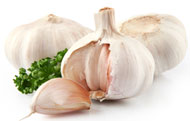


1. Garlic Facts
2. Types of Garlic
3. Garlic Nutritional value
4. Garlic Health Benefits
Garlic (Allium sativum) is a species of bulbous flowering plants in the genus Allium. Its close relatives include the onion, shallot, leek and chives.
History and Origin
Garlic is among the oldest cultivated crops, dating back to ancient Egypt and China.
Numerous records show that garlic has been cultivated in Mesopotamia for at least 4,000 years. The use of garlic in China and Egypt also dates back thousands of years.
It was consumed by ancient Greek and Roman soldiers, sailors, and rural classes and by the African peasantry.
Well-preserved garlic was found in the tomb of Tutankhamun (c. 1325 BC).
- • Australian White
- • Italian White
- • Glenlarge
- • Silverskin
- • Creole
- • Spanish Roja
- • Australian Red (Turban)
- • Monaro Purple (Turban)
- • Porcelain
- • Rocambole
Australia cultivates and sells a diverse range of garlic types, with approximately 12 varieties grown commercially and over 292 varieties held by Australian Garlic Producers. Australian garlic is broadly categorized as softneck and hardneck. Varieties such as Australian Red (Turban) and Spanish Roja (Creole) are considered popular. The best choice for growing depends on the climate, with softnecks thriving in warmer conditions and hardnecks suited for cooler regions.
Softneck varieties - These are the types most commonly found in grocery stores and are known for their long storage life and ability to be braided.
- Artichoke garlic is a popular softneck type of garlic (Allium sativum) known for its high yields, large bulbs, and ease of growing. It is named for its multiple layers of cloves that resemble the leaves of a globe artichoke.
- Italian Pink garlic is a popular, high-performing, and flavourful garlic variety, particularly in Australian, Mediterranean, and subtropical climates. It is highly valued for its sweet yet spicy flavour profile and its suitability for warmer, shorter-winter growing regions.
- Australian White: A versatile option with a rich flavour that is a grocery store staple.
- Italian White: Another adaptable type ideal for everyday cooking and raw garlic products.
- Glenlarge: An early-maturing, hardneck variety with medium flavour, popular for home growing.
- Silverskin: A versatile variety that adapts well to various dishes.
- Creole: A category that includes varieties with bright red cloves, known for being hot and spicy, like Spanish Roja.
Hardneck varieties - These types produce a flower stalk, called a scape, which can be eaten. They are generally better suited to cooler climates and have a bolder flavour.
- Australian Red (Turban): This variety is bold and spicy when raw, mellowing when cooked, and is a popular choice for sauces and marinades.
- Monaro Purple (Turban): A grocery store staple with a warm, medium flavour.
- Spanish Roja: A Creole variety known for its fiery heat, popular for use in Mexican and Creole dishes.
- Porcelain: A group of garlic known for its rich, spicy profiles.
- Rocambole: Another group that thrives in cooler climates.
How to choose
- For warm climates: Choose Artichoke and Subtropical varieties like Australian White and Italian Pink.
- For cool climates: Opt for Turban, Creole, Rocambole, and Porcelain types.
- For versatility: Plant Silverskin, which adapts well to different dishes.
Vegetables " Garlic "
Nutritional value per 9 g ( 3 cloves )
Garlic, raw
| Nutrient (Proximity) |
Unit
|
Value
|
Daily Value %
|
|
Energy
|
kcal
|
13 | 0.6% |
|
Protein
|
g
|
0.57 | 1.1% |
|
Total lipid (fat)
|
g
|
0.04 | 0.5% |
|
Carbohydrate, by difference
|
g
|
2.98 | 1% |
|
Fiber, total dietary
|
g
|
0.2 | 0.7% |
|
Sugars, total
|
g
|
0.09
|
|
|
Minerals
|
|||
|
Calcium, Ca
|
mg
|
16 | 1.2% |
|
Iron, Fe
|
mg
|
0.15 | 0.8% |
|
Magnesium, Mg
|
mg
|
2 | 0.4% |
|
Phosphorus, P
|
mg
|
14 | 1.1% |
|
Potassium, K
|
mg
|
36 | 0.7% |
|
Sodium, Na
|
mg
|
2 | 00.8% |
|
Zinc, Zn
|
mg
|
0.10 | 0.9% |
|
Copper, Cu
|
mg
|
0.027 | 3% |
|
Manganese, Mn
|
mg
|
0.150 | 6.5% |
|
Selenium, Se
|
mcg
|
1.3 | 2.3% |
|
Vitamins
|
|||
|
Vitamin C, total ascorbic acid
|
mg
|
2.8 | 3.1% |
|
Thiamin (B-1)
|
mg
|
0.018 | 1.5% |
|
Riboflavin (B-2)
|
mg
|
0.010 | 0.7% |
|
Niacin (B-3)
|
mg
|
0.063 | 0.3% |
|
Pantothenic acid (B-5)
|
mg
|
0.054 | 1% |
|
Vitamin B-6
|
mg
|
0.111 | 6.5% |
|
Folate, total (B-9)
|
mcg
|
0 | |
|
Vitamin B-12
|
mcg
|
0.00
|
|
|
Vitamin A, RAE
|
mcg
|
0 | |
|
Vitamin E (alpha-tocopherol)
|
mg
|
0.01 | 00.6% |
|
Vitamin D (D2 + D3)
|
mcg
|
0
|
|
|
Vitamin K (phylloquinone)
|
mcg
|
0.2 | 0.1% |
|
Lipids
|
|||
|
Saturated Fatty Acids
|
g
|
0.008
|
00.4% |
|
Monounsaturated Fatty Acids
|
g
|
0.001
|
|
|
Polyunsaturated Fatty Acids
|
g
|
0.022
|
|
|
Trans Fatty Acids
|
g
|
0.000
|
|
|
Carotenoids
|
|||
|
Beta-Carotene
|
mcg
|
0
|
|
|
Alpha-Carotene
|
mcg
|
||
|
Beta-Cryptoxanthin
|
mcg
|
||
|
Lutein + zeaxanthin
|
mcg
|
1
|
|

Reference Values are based on a 2,000 Calorie Intake, for Adults and Children 4 or More Years of Age. Your daily values may be higher or lower depending on your calorie needs.
Percentages are roughly approximated using (RDA) Recommended Dietary Allowances for adults. Source: USDA United States Department of Agriculture.
Reference Values for Nutrition - FDA U.S. Food and Drug Administration
Garlic Nutritional Value
Garlic provides numerous health benefits, including supporting heart health by lowering blood pressure and cholesterol, boosting the immune system to fight colds and flu, and providing antioxidant and antimicrobial effects.
It may also help regulate blood sugar, improve bone health, and reduce the risk of certain cancers. It contains beneficial compounds like allicin and other sulphur compounds that offer antioxidant, anti-inflammatory, and antimicrobial properties.
Regular garlic consumption is associated with improved heart health by reducing blood pressure and cholesterol, enhanced immune function, better liver function, and a lower risk of certain cancers, particularly stomach and colorectal cancer.
Other garlic health benefits not listed on table below:
Antimicrobial and antifungal properties - Garlic has potent antimicrobial and antifungal properties primarily due to the compound allicin, which is released when the bulb is crushed or cut. Allicin is a broad-spectrum antimicrobial effective against both Gram-positive and Gram-negative bacteria, and it also exhibits antifungal, antiviral, and antiparasitic effects. It works by reacting with thiol groups in enzymes, disrupting essential metabolic processes.
Fights the common cold - Garlic may help with the common cold by boosting immune function and potentially reducing symptom severity, though the evidence for its preventative effects is weak and inconsistent. Some studies suggest that garlic, particularly aged garlic extract (AGE), may help reduce the duration and severity of cold and flu symptoms and decrease missed work or school days. While garlic is a healthy food with potential benefits, it should be seen as a complementary approach rather than a replacement for evidence-based medical advice and treatment.
Antioxidant effects - Garlic has potent antioxidant effects due to its organosulfur compounds and flavonoids, which protect cells by neutralizing free radicals and scavenging reactive oxygen species (ROS). These effects help reduce oxidative stress, protect against cell and DNA damage, and may contribute to a lower risk of chronic diseases like cancer and heart disease. Aged garlic extract (AGE) is particularly effective as it contains more stable and bioavailable antioxidants, such as S-allylcysteine (SAC) and S-allylmercaptocysteine (SAMC).
Metabolic and other health benefits - Garlic offers significant metabolic and other health benefits, including improving insulin sensitivity and blood sugar control, lowering LDL cholesterol and blood pressure, and reducing cardiovascular risk. It also provides other benefits such as antioxidant and anti-inflammatory effects, immune system support, and potential cancer-preventive properties.
Blood clotting - One study showed that eating one clove of garlic (about 3 g) daily for 16 weeks led to an 80% reduction in thromboxane. Thromboxane is a substance produced by platelets that causes blood clotting. Research done in the lab also suggests that garlic prevents platelets from clumping together and forming clots.
BOOSTS BRAIN FUNCTION
Garlic boosts brain function by protecting brain cells from damage, improving blood circulation, and supporting cognitive processes through its antioxidant and anti-inflammatory properties. It contains compounds that may protect against cognitive decline and neurodegenerative diseases like Alzheimer's by reducing inflammation, boosting neurogenesis, and potentially preventing the formation of amyloid-beta plaques. Garlic may also improve memory and other cognitive functions by enhancing brain-derived neurotrophic factor (BDNF) levels and supporting neurotransmitter activity, note researchers at the University of Missouri.DETOXIFY HEAVY METALS IN THE BODY
Garlic can help detoxify the body of heavy metals due to its sulphur-containing compounds, which act as chelating agents, binding to metals like lead and cadmium to facilitate their removal from the body. Research in animal studies shows garlic reduces accumulation of metals like lead, cadmium, and mercury by promoting excretion and preventing their uptake. While garlic is considered a promising food for supporting the body's natural detoxification pathways, it's best to consult a healthcare professional for any concerns about heavy metal toxicity or before starting a detox regimen.REDUCED RISK OF CANCER
Garlic appears to reduce the ability of cancer cells to promote the growth of new blood vessels. Increased cell death Normal cells die at a certain point, and cancer cells are often able to avoid this natural cycle of cell death.ANTIOXIDANT EFFECTS
Garlic has potent antioxidant effects due to its organosulfur compounds and flavonoids, which protect cells by neutralizing free radicals and scavenging reactive oxygen species (ROS). These effects help reduce oxidative stress, protect against cell and DNA damage, and may contribute to a lower risk of chronic diseases like cancer and heart disease. Aged garlic extract (AGE) is particularly effective as it contains more stable and bioavailable antioxidants, such as S-allylcysteine (SAC) and S-allylmercaptocysteine (SAMC).
CHOLESTEROL LOWERING
Garlic supplements, especially aged garlic extract (AGE) and dried garlic powder, show potential in modestly lowering total and LDL ("bad") cholesterol, particularly in individuals with slightly elevated levels. While meta-analyses suggest a modest effect, findings remain mixed, with some studies indicating no significant reduction. The effectiveness likely depends on the preparation type and consistency of use, with some evidence pointing to the involvement of sulphur compounds. However, garlic may prolong bleeding times and interact with certain medications, so consult a healthcare provider before using it as a cholesterol-lowering supplement.BETTER LIVER FUNCTION
Garlic may promote better liver function due to its sulphur-containing compounds, which help protect against liver damage and aid in liver detoxification. Studies show that garlic may reduce liver fat accumulation, decrease levels of liver enzymes like ALT and AST, and provide antioxidant and anti-inflammatory benefits, making it a potentially beneficial food for liver health, particularly for conditions like non-alcoholic fatty liver disease.IMPROVE BONE HEALTH
Garlic helps improve bone health by reducing bone resorption and promoting osteoblast activity, with benefits especially seen in menopausal women by potentially boosting oestrogen and lowering oxidative stress. It also contains beneficial nutrients like calcium, magnesium, and vitamin C, and its compounds can be incorporated into bone scaffolds to support tissue formation.BENEFIT HEART HEALTH
Garlic benefits heart health by potentially lowering blood pressure and "bad" (LDL) cholesterol levels, inhibiting platelet aggregation, and improving arterial stiffness. It may achieve this through compounds like allicin, which can be broken down into hydrogen sulphide (H_2 S, 𝐻2𝑆) a compound with cardioprotective effects. To support heart health, incorporating 1–2 cloves of garlic per day can be a good addition to a heart-healthy diet and lifestyle.
References
Nutrient Database - USDA (United States Department of Agriculture)
Reference Values for Nutrition - FDA U.S. Food and Drug Administration
Boosts brain function - Garlic boosts brain function by protecting brain cells from damage, improving blood circulation, and supporting cognitive processes through its antioxidant and anti-inflammatory properties. It contains compounds that may protect against cognitive decline and neurodegenerative diseases like Alzheimer's by reducing inflammation, boosting neurogenesis, and potentially preventing the formation of amyloid-beta plaques. Garlic may also improve memory and other cognitive functions by enhancing brain-derived neurotrophic factor (BDNF) levels and supporting neurotransmitter activity, note researchers at the University of Missouri and other sources.
Antimicrobial and antifungal properties - Garlic has potent antimicrobial and antifungal properties primarily due to the compound allicin, which is released when the bulb is crushed or cut. Allicin is a broad-spectrum antimicrobial effective against both Gram-positive and Gram-negative bacteria, and it also exhibits antifungal, antiviral, and antiparasitic effects. It works by reacting with thiol groups in enzymes, disrupting essential metabolic processes.
Fights the common cold - Garlic may help with the common cold by boosting immune function and potentially reducing symptom severity, though the evidence for its preventative effects is weak and inconsistent. Some studies suggest that garlic, particularly aged garlic extract (AGE), may help reduce the duration and severity of cold and flu symptoms and decrease missed work or school days. While garlic is a healthy food with potential benefits, it should be seen as a complementary approach rather than a replacement for evidence-based medical advice and treatment.
Antioxidant effects - Garlic has potent antioxidant effects due to its organosulfur compounds and flavonoids, which protect cells by neutralizing free radicals and scavenging reactive oxygen species (ROS). These effects help reduce oxidative stress, protect against cell and DNA damage, and may contribute to a lower risk of chronic diseases like cancer and heart disease. Aged garlic extract (AGE) is particularly effective as it contains more stable and bioavailable antioxidants, such as S-allylcysteine (SAC) and S-allylmercaptocysteine (SAMC).
Metabolic and other health benefits - Garlic offers significant metabolic and other health benefits, including improving insulin sensitivity and blood sugar control, lowering LDL cholesterol and blood pressure, and reducing cardiovascular risk. It also provides other benefits such as antioxidant and anti-inflammatory effects, immune system support, and potential cancer-preventive properties.
Blood clotting - One study showed that eating one clove of garlic (about 3 g) daily for 16 weeks led to an 80% reduction in thromboxane. Thromboxane is a substance produced by platelets that causes blood clotting. Research done in the lab also suggests that garlic prevents platelets from clumping together and forming clots.
Cholesterol Lowering - Garlic supplements, especially aged garlic extract (AGE) and dried garlic powder, show potential in modestly lowering total and LDL ("bad") cholesterol, particularly in individuals with slightly elevated levels. While meta-analyses suggest a modest effect, findings remain mixed, with some studies indicating no significant reduction. The effectiveness likely depends on the preparation type and consistency of use, with some evidence pointing to the involvement of sulphur compounds. However, garlic may prolong bleeding times and interact with certain medications, so consult a healthcare provider before using it as a cholesterol-lowering supplement.
Blood Clotting - One study showed that eating one clove of garlic (about 3 g) daily for 16 weeks led to an 80% reduction in thromboxane. Thromboxane is a substance produced by platelets that causes blood clotting. Research done in the lab also suggests that garlic prevents platelets from clumping together and forming clots.
Detoxify heavy metals in the body - Garlic can help detoxify the body of heavy metals due to its sulphur-containing compounds, which act as chelating agents, binding to metals like lead and cadmium to facilitate their removal from the body. Research in animal studies shows garlic reduces accumulation of metals like lead, cadmium, and mercury by promoting excretion and preventing their uptake. While garlic is considered a promising food for supporting the body's natural detoxification pathways, it's best to consult a healthcare professional for any concerns about heavy metal toxicity or before starting a detox regimen.
Help you live longer - 2019 Chinese study - A Population-Based Cohort Study
Improve bone health - Garlic helps improve bone health by reducing bone resorption and promoting osteoblast activity, with benefits especially seen in menopausal women by potentially boosting oestrogen and lowering oxidative stress. It also contains beneficial nutrients like calcium, magnesium, and vitamin C, and its compounds can be incorporated into bone scaffolds to support tissue formation.
Heart health - Garlic benefits heart health by potentially lowering blood pressure and "bad" (LDL) cholesterol levels, inhibiting platelet aggregation, and improving arterial stiffness. It may achieve this through compounds like allicin, which can be broken down into hydrogen sulphide (H2S, 𝐻2𝑆) a compound with cardioprotective effects. To support heart health, incorporating 1–2 cloves of garlic per day can be a good addition to a heart-healthy diet and lifestyle.
Better liver function - Garlic may promote better liver function due to its sulphur-containing compounds, which help protect against liver damage and aid in liver detoxification. Studies show that garlic may reduce liver fat accumulation, decrease levels of liver enzymes like ALT and AST, and provide antioxidant and anti-inflammatory benefits, making it a potentially beneficial food for liver health, particularly for conditions like non-alcoholic fatty liver disease (NAFLD).
Reduced risk of cancer - Garlic appears to reduce the ability of cancer cells to promote the growth of new blood vessels. Increased cell death: Normal cells die at a certain point, and cancer cells are often able to avoid this natural cycle of cell death.
Reduce blood pressure - Garlic lowers blood pressure in hypertensive subjects, improves arterial stiffness and gut microbiota: A review and meta-analysis.
Potent medicinal properties - sulphur compounds, allicin, diallyl disulfide, S-allyl cysteine).