






1. Lobster Facts
2. Types of Lobster
3. Lobster Nutritional Value
4. Lobster Health Benefits
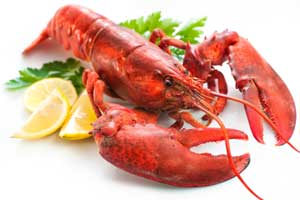
Lobster is a premium, decapod crustacean prized for its firm, white, and succulent tail and claw meat, often described as the "filet mignon of the sea".
Its taste is mild, sweet, and lightly briny, with a clean flavour profile often compared to a mix of shrimp and crab, though richer and more delicate.
History and Origin
Lobster, currently regarded as a luxury seafood item, has a history that stretches from being a highly esteemed dish in ancient Rome to being considered a "trash fish" or "poverty food" in early North America.
The transformation of lobster from a lowly, abundant resource to a high-priced, refined culinary delicacy occurred primarily in the late 19th and early 20th centuries, driven by improved transportation and a shift in consumer perception.
- • Southern Rock Lobster (Jasus edwardsii)
- • Western Rock Lobster (Panulirus cygnus)
- • Tropical Rock Lobster (Panulirus ornatus)
- • Eastern Rock Lobster (Sagmariasus verreauxi)
- • Moreton Bay Bugs
Australian lobsters, primarily spiny rock lobsters (lacking large claws), are renowned for their firm texture and sweet, oceanic flavour.
Key types include the sweet Southern Rock, the succulent Western Rock, and the premium Tropical Lobster, with meat generally firmer and more delicate than cold-water Maine lobsters.
Primary Types of Australian Lobsters
- Southern Rock Lobster (Jasus edwardsii): Caught in cold, nutrient-rich southern waters, these are considered highly prized for their firm, white flesh and sweet flavour, often used in sashimi or grilled.
- Western Rock Lobster (Panulirus cygnus): Famous for their bright red cooked colour, these are sweet, succulent, and firm, found along the WA coast.
- Tropical Rock Lobster (Panulirus ornatus): Often called "painted crayfish," these are prized for their delicate, sweet meat and are ideal for steaming, grilling, or sashimi.
- Eastern Rock Lobster (Sagmariasus verreauxi): A large species found off the NSW and Tasmanian coast with sweet, rich, and medium-firm flesh.
Taste and Texture Profile
- Flavour: Typically described as sweet, delicate, and intensely seafood-forward.
- Texture: Firmer and more fibrous than northern hemisphere "true" lobsters, making them hold up well to grilling and intense sauces (e.g., Cajun style).
- Culinary Use: Excellent for sashimi, BBQ, poaching, and steaming.
Other "Lobsters" in Australia
- Moreton Bay Bugs: Are actually a slipper lobster, these have a sweet, medium-firm white flesh and are popular for grilling.
Lobster ( Nutritional value )
Value per 100 g
Crustaceans, lobster, northern, cooked, moist heat
|
Nutrient ( Proximate’s )
|
Unit
|
Value
|
Daily Value %
|
|
Energy
|
kcal
|
89
|
4.4%
|
|
Protein
|
g
|
19
|
38%
|
|
Total lipid (fat)
|
g
|
0.86
|
1.1%
|
|
Carbohydrate, by difference
|
g
|
0.00
|
0.00
|
|
Fiber, total dietary
|
g
|
0.0
|
0.0
|
|
Sugars, total
|
g
|
0.00
|
0.00
|
|
Minerals
|
|||
|
Calcium, Ca
|
mg
|
96
|
7.3%
|
|
Iron, Fe
|
mg
|
0.29
|
1.6%
|
|
Magnesium, Mg
|
mg
|
43
|
10.2%
|
|
Phosphorus, P
|
mg
|
185
|
14.8%
|
|
Potassium, K
|
mg
|
230
|
54.7%
|
|
Sodium, Na
|
mg
|
486
|
21.1%
|
|
Zinc, Zn
|
mg
|
4.05
|
36.8%
|
|
Copper, Cu
|
mg
|
1.55
|
172.2%
|
|
Manganese, Mn
|
mg
|
0.065
|
2.8%
|
|
Selenium, Se
|
mcg
|
73.1
|
132.9%
|
|
Vitamins
|
|||
|
Vitamin C, total ascorbic acid
|
mg
|
0.0
|
0.0
|
|
Thiamin (B-1)
|
mg
|
0.023
|
1.9%
|
|
Riboflavin (B-2)
|
mg
|
0.017
|
1.3%
|
|
Niacin (B-3)
|
mg
|
1.83
|
11.4%
|
|
Pantothenic acid (B-5)
|
mg
|
1.667
|
33.3%
|
|
Vitamin (B-6)
|
mg
|
0.119
|
7%
|
|
Folate (B-9)
|
mcg
|
11
|
2.7%
|
|
Choline
|
mg
|
80.9
|
14.7% |
|
Vitamin (B-12)
|
mcg
|
1.43
|
59.5%
|
|
Vitamin A, IU International Units
|
IU
|
4
|
0.1%
|
|
Vitamin E (alpha-tocopherol)
|
mg
|
1
|
6.6%
|
|
Vitamin D (D2 + D3) International Units
|
IU
|
1
|
0.1%
|
|
Vitamin D (D2 + D3)
|
mcg
|
0.0
|
0.0
|
|
Vitamin D3 (cholecalciferol)
|
mcg
|
0.0
|
0.0
|
|
Vitamin K (phylloquinone)
|
mcg
|
0.0
|
0.0
|
|
Lipids
|
|||
|
Saturated Fatty Acids
|
g
|
0.208
|
1.0%
|
|
Monounsaturated Fatty Acids
|
g
|
0.253
|
|
|
Polyunsaturated Fatty Acids
|
g
|
0.340
|
|
|
Trans Tatty Acids
|
g
|
0.013
|
|
|
Cholesterol
|
mg
|
146
|
48.6%
|
Reference Values are based on a 2,000 Calorie Intake, for Adults and Children 4 or More Years of Age. Your daily values may be higher or lower depending on your calorie needs.
Percentages are roughly approximated using (RDA) Recommended Dietary Allowances for adults. Source: USDA United States Department of Agriculture.
Reference Values for Nutrition – FDA U.S. Food and Drug Administration.
Lobster Nutritional Value
Lobster offers significant health benefits as a high-protein, low-fat source of essential vitamins and minerals like copper, selenium, zinc, and vitamin B12, supporting immune function, brain health (choline, omega-3s), thyroid function, bone strength, and heart health, while providing antioxidant protection and aiding in tissue repair and energy.
SIGNIFICANT ANTIOXIDANT PROPERTIES
Lobster is highly regarded for its nutritional profile, offering significant antioxidant properties that contribute to its health benefits. It is a rich source of selenium, vitamin E, and astaxanthin, which help fight oxidative stress, combat free radicals, and reduce inflammation in the body.GOOD SOURCE OF VITAMIN B12
Lobster is an excellent source of Vitamin B12, crucial for nerve function and red blood cell formation, alongside being rich in lean protein, omega-3s for heart health, and minerals like zinc, copper, and selenium, making it a nutrient-dense, low-fat choice for overall vitality, brain health, and energy.PROTEIN POWERHOUSE
Lobster offers high-quality, lean protein essential for muscle repair, growth, and fullness, while being low in fat and calories, making it great for weight management. Beyond protein, it's rich in heart-healthy omega-3s, immune-boosting zinc, antioxidant selenium, energizing copper, and Vitamin B12, supporting brain, thyroid, and bone health, making it a nutrient-dense food despite containing cholesterol.AIDS THYROID FUNCTION
Lobster is an excellent dietary choice for promoting thyroid health due to its high concentration of essential minerals, particularly selenium and iodine. These nutrients are critical for the production of thyroid hormones and the overall maintenance of the thyroid gland.

BOOSTS IMMUNE SYSTEM
Lobster boosts the immune system by providing key minerals like zinc, selenium, and copper, plus vitamins B12 and A, which support immune cell function, fight oxidative stress, and aid in healing, making it a nutrient-dense food for overall immunity.PROVIDES ESSENTIAL MINERALS
Lobster is packed with zinc (immune support), selenium (antioxidant, thyroid health), copper (red blood cells, energy), and phosphorus (bones, energy), plus B vitamins (nerve function) and lean protein, making it great for immunity, energy, muscle health, and overall vitality, especially when prepared healthily.SUPPORTS BRAIN HEALTH
Lobster provides crucial nutrients like choline, essential for neurotransmitters and memory; omega-3s, vital for cognitive function; and Vitamin B12, supporting nerve function, which together aid focus, reduce risk of neurodegenerative issues like Alzheimer's, and promote overall mental clarity.HEART-HEALTHY FATS (OMEGA-3S)
Lobster offers heart-healthy benefits through its omega-3 fatty acids, which help lower blood pressure, reduce triglycerides, and decrease inflammation, supporting overall cardiovascular health, alongside being a rich source of protein, zinc, and selenium for immune and thyroid function, making it a nutrient-dense seafood choice despite moderate cholesterol.
References
Nutrient Database – USDA (United States Department of Agriculture)
Reference Values for Nutrition – National Institutes of Health USA
Protein powerhouse - Lobster is a protein powerhouse, offering high-quality, lean protein essential for muscle repair, growth, and fullness, while being low in fat and calories, making it great for weight management. Beyond protein, it's rich in heart-healthy omega-3s, immune-boosting zinc, antioxidant selenium, energizing copper, and Vitamin B12, supporting brain, thyroid, and bone health, making it a nutrient-dense food despite containing cholesterol.
Boosts immune system - Lobster boosts the immune system by providing key minerals like zinc, selenium, and copper, plus vitamins B12 and A, which support immune cell function, fight oxidative stress, and aid in healing, making it a nutrient-dense food for overall immunity.
Supports brain health - Lobster supports brain health by providing crucial nutrients like choline, essential for neurotransmitters and memory; omega-3s, vital for cognitive function; and Vitamin B12, supporting nerve function, which together aid focus, reduce risk of neurodegenerative issues like Alzheimer's, and promote overall mental clarity.
Provides essential minerals - Lobster is packed with essential minerals like zinc (immune support), selenium (antioxidant, thyroid health), copper (red blood cells, energy), and phosphorus (bones, energy), plus B vitamins (nerve function) and lean protein, making it great for immunity, energy, muscle health, and overall vitality, especially when prepared healthily.
Good source of vitamin B12 - Lobster is an excellent source of Vitamin B12, crucial for nerve function and red blood cell formation, alongside being rich in lean protein, omega-3s for heart health, and minerals like zinc, copper, and selenium, making it a nutrient-dense, low-fat choice for overall vitality, brain health, and energy.
Aids thyroid function - Lobster is an excellent dietary choice for promoting thyroid health due to its high concentration of essential minerals, particularly selenium and iodine. These nutrients are critical for the production of thyroid hormones and the overall maintenance of the thyroid gland
Heart-healthy fats (omega-3s) - Lobster offers heart-healthy benefits through its omega-3 fatty acids, which help lower blood pressure, reduce triglycerides, and decrease inflammation, supporting overall cardiovascular health, alongside being a rich source of protein, zinc, and selenium for immune and thyroid function, making it a nutrient-dense seafood choice despite moderate cholesterol.
Significant antioxidant properties - Lobster is highly regarded for its nutritional profile, offering significant antioxidant properties that contribute to its health benefits. It is a rich source of selenium, vitamin E, and astaxanthin, which help fight oxidative stress, combat free radicals, and reduce inflammation in the body.