





1. Abalone Facts
2. Types of Abalone
3. Abalone Nutritional Value
4. Abalone Health Benefits
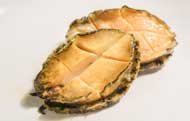
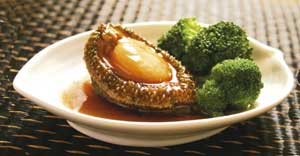
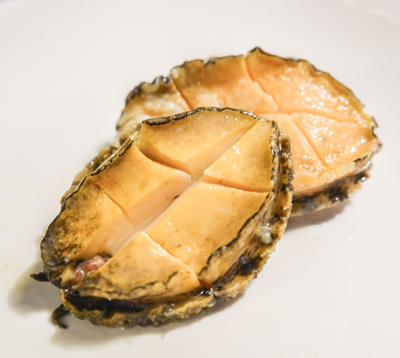
Abalone is a highly prized, luxury marine mollusc (sea snail) with a single, ear-shaped shell, known for its firm, tender, and meaty texture similar to calamari or scallops.
It has a delicate, sweet, and buttery, umami-rich flavour with subtle salty, ocean undertones. Often compared to a cross between scallops and foie gras, it is enjoyed raw (sashimi) or lightly cooked to avoid a rubbery texture.
History and Origin
Abalone, a marine gastropod mollusc often referred to as sea snails or sea ears, has been a significant source of food and cultural, ritualistic, and economic value for thousands of years.
The history of abalone consumption is rooted in coastal, indigenous communities worldwide—particularly in the Pacific, Africa, and Australia—before transitioning into a highly sought-after, often illicit, global luxury, resulting in modern conservation efforts and widespread aquaculture.
- • Blacklip abalone (haliotis rubra)
- • Greenlip abalone (haliotis laevigata)
- • Brownlip abalone (haliotis conicopora)
- • Roei abalone (haliotis roei)
- • Tiger abalone
Australia produces premium wild-caught and farmed abalone, with key commercial species including blacklip (haliotis rubra), greenlip (h. laevigata), brownlip (h. conicopora), and roei (h. roei). they are known for a firm, tender texture—similar to scallop or calamari—and a rich, buttery, umami-laden savory flavour, largely exported to Asia.
Key types of Australian abalone
- Blacklip abalone (haliotis rubra): the most common species, found along southern and eastern coasts. it has a rich, intense, savoury, and meaty flavour, often paired with bold sauces.
- Greenlip abalone (haliotis laevigata): found in southern and western waters, it is known for having a slightly stronger, yet more delicate and sweet flavour compared to blacklip, with a softer texture.
- Brownlip abalone (haliotis conicopora): found along southern/western coastlines, this species offers a sweet, mild flavour.
- Roei abalone (haliotis roei): common in western Australia, known for its smaller size and delicate, tender meat
- Tiger abalone: a specially bred, farm-raised hybrid of greenlip and blacklip, cultivated for high quality.
Flavour profile and texture
- Flavour: generally described as a unique, rich, and "buttery" savory taste, often with a subtle sweetness.
- Texture: firm and tender when cooked correctly; if overcooked, it can become rubbery.
- Usage: best prepared by pan-frying in butter with lemon, or slow braising in soy, ginger, and garlic.
Harvesting and availability
- Wild and farmed: Australia has both highly regulated wild-catch fisheries and established aquaculture farms.
- Products: available live, frozen, canned, and dried.
- Regions: primarily sourced from the cool, clean waters of Tasmania, Victoria, South Australia, and Western Australia.
Abalone ( Nutritional value )
Value per 100 g
Mollusks, abalone, mixed species, cooked, fried
|
Nutrient ( Proximate’s )
|
Unit
|
Value
|
Daily Value %
|
|
Energy
|
kcal
|
189
|
9.9%
|
|
Protein
|
g
|
19.63
|
39.2%
|
|
Total lipid (fat)
|
g
|
6.78
|
24.2%
|
|
Carbohydrate, by difference
|
g
|
11
|
4%
|
|
Fiber, total dietary
|
g
|
0.0
|
0.0
|
|
Minerals
|
|||
|
Calcium, Ca
|
mg
|
37
|
2.8%
|
|
Iron, Fe
|
mg
|
3.8
|
21.1%
|
|
Magnesium, Mg
|
mg
|
56
|
2.8%
|
|
Phosphorus, P
|
mg
|
217
|
17.3%
|
|
Potassium, K
|
mg
|
284
|
6%
|
|
Sodium, Na
|
mg
|
591
|
25.6%
|
|
Zinc, Zn
|
mg
|
0.95
|
8.6%
|
|
Copper, Cu
|
mg
|
0.228
|
25.3%
|
|
Manganese, Mn
|
mg
|
0.070
|
3%
|
|
Selenium, Se
|
mcg
|
51.8
|
94.1%
|
|
Vitamins
|
|||
|
Vitamin C, total ascorbic acid
|
mg
|
1.8
|
2%
|
|
Thiamin (B-1)
|
mg
|
0.220
|
18.3%
|
|
Riboflavin (B-2)
|
mg
|
0.130
|
10%
|
|
Niacin (B-3)
|
mg
|
1.900
|
11.8%
|
|
Pantothenic acid (B-5)
|
mg
|
2.870
|
57.4%
|
|
Vitamin (B-6)
|
mg
|
0.150
|
8.8%
|
|
Folate (B-9)
|
mcg
|
20
|
5%
|
|
Retinol
|
mcg
|
2
|
|
|
Vitamin (B-12)
|
mcg
|
0.69
|
28.7%
|
|
Vitamin A, RAE (retinol)
|
mcg
|
2
|
0.2%
|
|
Lipids
|
|||
|
Saturated Fatty Acids
|
g
|
1.646
|
8.2%
|
|
Monounsaturated Fatty Acids
|
g
|
2.741
|
|
|
Polyunsaturated Fatty Acids
|
g
|
1.676
|
|
|
Cholesterol
|
mg
|
94
|
31.3%
|
Reference Values are based on a 2,000 Calorie Intake, for Adults and Children 4 or More Years of Age. Your daily values may be higher or lower depending on your calorie needs.
Percentages are roughly approximated using (RDA) Recommended Dietary Allowances for adults. Source: USDA United States Department of Agriculture.
Reference Values for Nutrition – FDA U.S. Food and Drug Administration.
Abalone Nutritional Value
Abalone offers significant health benefits due to its rich profile of protein, essential minerals (zinc, iron, calcium, potassium, iodine), vitamins (B12), and beneficial fatty acids, supporting heart health, immune function, energy, and skin health while being low in fat and cholesterol.
Research also highlights its potential anti-inflammatory, antioxidant, and antimicrobial properties from compounds like polysaccharides and peptides, making it a nutrient-dense functional food.
IMMUNE SUPPORT
Abalone is recognized for its potential to support the immune system through a rich profile of essential nutrients and bioactive compounds, such as selenium, zinc, and specific polysaccharides. It is considered a high-quality, lean protein source that helps in tissue repair and overall immune function.LOW FAT AND CHOLESTEROL
Abalone is a highly nutritious seafood, prized for being naturally low in fat, saturated fat, and cholesterol, while being exceptionally high in lean protein, making it excellent for muscle health, weight management, and heart health by supporting healthy cholesterol levels and blood pressure. It also provides vital minerals like magnesium, potassium, zinc, and selenium, plus Omega-3s, contributing to immune function, energy, bone strength, and reduced inflammation, despite some variations in fat content in certain preparations or parts like viscera.MINERALS AND VITAMINS
Abalone offers significant health benefits due to its rich profile of minerals like iron, zinc, selenium, magnesium, iodine, and phosphorus, supporting immunity, bone health, and energy, alongside essential vitamins, especially B12 (nerve function), Vitamin E (antioxidant), and Vitamin A (vision), plus heart-healthy omega-3s, all while being low in fat and high in quality protein, contributing to overall wellness and specific functions like thyroid and blood health.POTENTIAL THERAPEUTIC PROPERTIES
Abalone offers potential therapeutic benefits due to compounds like omega-3s, polysaccharides, peptides, and antioxidants, showing promise for anti-inflammatory, anti-cancer, anti-thrombotic, and immune-boosting effects, supporting joint, brain, and liver health, though more research on human application is ongoing. Traditional uses and modern research highlight its rich nutrients (protein, vitamins, minerals) and bioactive molecules, with extracts showing potential for conditions like Inflammatory Bowel Disease (IBD) and cancer therapy.HEART HEALTH
Abalone supports heart health through its rich omega-3 fatty acids (EPA/DHA) that reduce inflammation and blood pressure, along with minerals like potassium and magnesium for blood pressure regulation, while being low in fat and cholesterol, making it a lean protein source for cardiovascular well-being. Its nutrients also help manage triglycerides, support nerve function, and provide antioxidants, contributing to overall heart function and reducing disease risk.
HIGH-QUALITY PROTEIN
Abalone provides high-quality, lean protein, supplying all essential amino acids for muscle repair, immune function, and healthy skin, hair, and nails, while being naturally low in fat and carbs, making it great for heart health and balanced diets. Its protein supports bodily growth and maintenance, complementing its rich profile of minerals (iodine, zinc, iron, magnesium) and omega-3s that boost energy, immunity, and brain function, making it a nutrient-dense seafood choice.ANTIOXIDANT
Abalone provides antioxidant benefits primarily through its bioactive compounds, including polysaccharides and peptides, which combat cellular oxidative stress, alongside essential nutrients like Vitamin E, Selenium, and Omega-3s that support the body's natural antioxidant defences, reducing inflammation and promoting overall cellular health. These properties position abalone as a functional food with therapeutic potential beyond basic nutrition.SKIN HEALTH
Abalone provides collagen and elastin for firmness, reducing wrinkles, and offering antioxidants to fight damage, with research showing extracts boost hyaluronic acid and support cellular pathways for hydration and reduced inflammation, making it a popular ingredient in anti-aging skincare. Its protein and nutrients also support overall skin repair and immune function, contributing to a healthier complexion.ENERGY AND METABOLISM
Abalone is highly regarded for its ability to support energy levels and metabolic health due to its nutrient-dense, high-protein, and low-fat profile. It is a rich source of essential nutrients—including iodine, iron, magnesium, and vitamin B12—that are directly involved in thyroid function, oxygen transport, and energy production.ANTI-INFLAMMATORY
Abalone offers significant anti-inflammatory benefits due to bioactive compounds like peptides, polysaccharides, and omega-3 fatty acids (PUFAs) found in its meat and even waste parts, with research showing potential for treating conditions like Inflammatory Bowel Disease (IBD), arthritis, and rheumatoid arthritis by reducing inflammatory markers, supporting gut health, and combating oxidative stress. Extracts from abalone have demonstrated effectiveness in preclinical models, acting similarly to some anti-inflammatory drugs with minimal side effects, making it a promising functional food ingredient
References
Nutrient Database – USDA (United States Department of Agriculture)
Reference Values for Nutrition – National Institutes of Health USA
High-quality protein - Abalone provides high-quality, lean protein, supplying all essential amino acids for muscle repair, immune function, and healthy skin, hair, and nails, while being naturally low in fat and carbs, making it great for heart health and balanced diets. Its protein supports bodily growth and maintenance, complementing its rich profile of minerals (iodine, zinc, iron, magnesium) and omega-3s that boost energy, immunity, and brain function, making it a nutrient-dense seafood choice.
Low fat and cholesterol - Abalone is a highly nutritious seafood, prized for being naturally low in fat, saturated fat, and cholesterol, while being exceptionally high in lean protein, making it excellent for muscle health, weight management, and heart health by supporting healthy cholesterol levels and blood pressure. It also provides vital minerals like magnesium, potassium, zinc, and selenium, plus Omega-3s, contributing to immune function, energy, bone strength, and reduced inflammation, despite some variations in fat content in certain preparations or parts like viscera.
Minerals and vitamins - Abalone offers significant health benefits due to its rich profile of minerals like iron, zinc, selenium, magnesium, iodine, and phosphorus, supporting immunity, bone health, and energy, alongside essential vitamins, especially B12 (nerve function), Vitamin E (antioxidant), and Vitamin A (vision), plus heart-healthy omega-3s, all while being low in fat and high in quality protein, contributing to overall wellness and specific functions like thyroid and blood health.
Potential therapeutic properties - Abalone offers potential therapeutic benefits due to compounds like omega-3s, polysaccharides, peptides, and antioxidants, showing promise for anti-inflammatory, anti-cancer, anti-thrombotic, and immune-boosting effects, supporting joint, brain, and liver health, though more research on human application is ongoing, notes ScienceDirect, ACS Publications, Southern Ocean Biotech Pty Ltd, Translational Research Institute Australia, and National Institutes of Health (NIH). Traditional uses and modern research highlight its rich nutrients (protein, vitamins, minerals) and bioactive molecules, with extracts showing potential for conditions like Inflammatory Bowel Disease (IBD) and cancer therapy, say Southern Ocean Biotech Pty Ltd, Translational Research Institute Australia, and National Institutes of Health (NIH).
Anti-inflammatory - Abalone offers significant anti-inflammatory benefits due to bioactive compounds like peptides, polysaccharides, and omega-3 fatty acids (PUFAs) found in its meat and even waste parts, with research showing potential for treating conditions like Inflammatory Bowel Disease (IBD), arthritis, and rheumatoid arthritis by reducing inflammatory markers, supporting gut health, and combating oxidative stress. Extracts from abalone have demonstrated effectiveness in preclinical models, acting similarly to some anti-inflammatory drugs with minimal side effects, making it a promising functional food ingredient.
Antioxidant - Abalone provides antioxidant benefits primarily through its bioactive compounds, including polysaccharides and peptides, which combat cellular oxidative stress, alongside essential nutrients like Vitamin E, Selenium, and Omega-3s that support the body's natural antioxidant defences, reducing inflammation and promoting overall cellular health. These properties position abalone as a functional food with therapeutic potential beyond basic nutrition.
Immune support - Abalone is recognized for its potential to support the immune system through a rich profile of essential nutrients and bioactive compounds, such as selenium, zinc, and specific polysaccharides. It is considered a high-quality, lean protein source that helps in tissue repair and overall immune function.
Heart health - Abalone supports heart health through its rich omega-3 fatty acids (EPA/DHA) that reduce inflammation and blood pressure, along with minerals like potassium and magnesium for blood pressure regulation, while being low in fat and cholesterol, making it a lean protein source for cardiovascular well-being. Its nutrients also help manage triglycerides, support nerve function, and provide antioxidants, contributing to overall heart function and reducing disease risk.
Energy and metabolism - Abalone is highly regarded for its ability to support energy levels and metabolic health due to its nutrient-dense, high-protein, and low-fat profile. It is a rich source of essential nutrients—including iodine, iron, magnesium, and vitamin B12—that are directly involved in thyroid function, oxygen transport, and energy production.