


1. Paprika Facts
2. Types of Paprika
3. Paprika Nutritional Value
4. Paprika Health Benefits
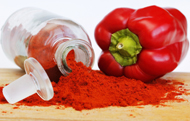
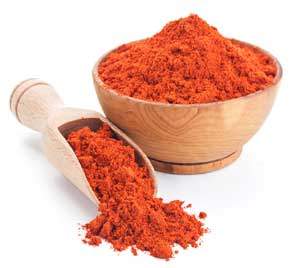
Paprika is a vibrant red spice made from the dried and ground fruits of the Capsicum annuum pepper plant, offering flavours from sweet and mild to hot and robust, adding colour and taste to dishes worldwide, especially in Spanish and Hungarian cuisines like goulash.
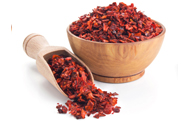
Paprika is essentially a powdered chili pepper, with variations determined by the type of pepper and processing, including sweet, hot, and wood-smoked (pimentón) versions.
History and Origin
Paprika originated from Capsicum annuum peppers cultivated in Central and South America for millennia.
Paprika was introduced to Europe by Columbus in the late 15th century, but it was in 16th-century Hungary, via Spanish monks, that it was dried, ground, and developed into the vibrant spice we know, becoming a national treasure and a staple in many dishes world-wide.
- • Sweet Paprika
- • Hot Paprika
- • Smoked Paprika (Pimentón)
- • Hungarian Paprika
- • Turkish Paprika
Paprika primarily comes in three types—sweet, hot, and smoked—differing by pepper used and processing, with Spanish Pimentón (sweet, bittersweet, hot) known for smokiness, Hungarian varieties (varied heat/sweetness) crucial for goulash, and generic supermarket paprika usually mild and sweet for garnishing.
Sweet paprika offers mild colour, hot adds spice (like cayenne), while smoked (Pimentón) provides deep, bacon-like smokiness, all from ground red peppers.
Key Types of Paprika
- Sweet Paprika: Made from milder, sweeter peppers (like bell peppers), it's the common grocery store type, used for colour in dishes like devilled eggs or potato salad, offering mild fruity notes without heat.
- Hot Paprika: Uses spicier peppers and often includes seeds and pith, providing more heat than sweet varieties, making it useful in rubs and spicy dishes, similar to cayenne but with more flavour.
- Smoked Paprika (Pimentón): A Spanish specialty (Pimentón de la Vera) where peppers are smoked over oak fires, giving it intense smoky, bacon-like depth; it comes in sweet (dulce), bittersweet (agrodulce), and hot (picante) versions.
- Hungarian Paprika: A cornerstone of Hungarian cuisine, it's known for rich flavour and quality, with varieties ranging from very sweet to fiery, essential for goulash and chicken paprikash.
- Turkish Paprika: Bright red and adds a spicy kick, used in kebabs, dips, and marinades.
How to Choose
- For colour & garnish: Use sweet paprika.
- For deep smoky flavour: Choose Spanish smoked paprika (Pimentón).
- For heat: Opt for hot paprika or spicy Hungarian varieties.
Spices ” Paprika ” ( Nutritional value )
Nutritional value per 2.3 g – 1 Tablespoon
Spices, paprika
|
Nutrient ( Proximate’s )
|
Unit
|
Value
|
Daily Value %
|
|
Energy
|
kcal
|
6
|
0.3%
|
|
Protein
|
g
|
0.33
|
0.6%
|
|
Total lipid (fat)
|
g
|
0.30
|
0.3%
|
|
Carbohydrate, by difference
|
g
|
1.24
|
0.4%
|
|
Fiber, total dietary
|
g
|
0.8
|
2.8%
|
|
Sugars, total
|
g
|
0.24
|
|
|
Minerals
|
|||
|
Calcium, Ca
|
mg
|
5
|
0.3%
|
|
Iron, Fe
|
mg
|
0.49
|
2.7%
|
|
Magnesium, Mg
|
mg
|
4
|
0.9%
|
|
Phosphorus, P
|
mg
|
7
|
0.5%
|
|
Potassium, K
|
mg
|
52
|
1.1%
|
|
Sodium, Na
|
mg
|
2
|
.008%
|
|
Zinc, Zn
|
mg
|
0.10
|
0.9%
|
|
Copper, Cu
|
mg
|
0.016
|
1.7%
|
|
Manganese, Mn
|
mg
|
0.037
|
1.6%
|
|
Selenium, Se
|
mcg
|
0.1
|
0.1%
|
|
Vitamins
|
|||
|
Vitamin C, total ascorbic acid
|
mg
|
0.0
|
|
|
Thiamin (B-1)
|
mg
|
0.008
|
0.6%
|
|
Riboflavin (B-2)
|
mg
|
0.028
|
2.1%
|
|
Niacin (B-3)
|
mg
|
0.231
|
1.4%
|
|
Pantothenic acid (B-5)
|
mg
|
0.058
|
1.1%
|
|
Vitamin (B-6)
|
mg
|
0.049
|
2.8%
|
|
Folate (B-9)
|
mcg
|
1
|
0.2%
|
|
Vitamin (B-12)
|
mcg
|
0.00
|
|
|
Vitamin A, RAE
|
mcg
|
||
|
Vitamin E (alpha-tocopherol)
|
mg
|
0.67
|
4.4%
|
|
Vitamin D (D2 + D3)
|
mcg
|
0
|
|
|
Vitamin K (phylloquinone)
|
mcg
|
1.8
|
1.5%
|
|
Lipids
|
|||
|
Saturated Fatty Acids
|
g
|
0.049
|
0.2%
|
|
Monounsaturated Fatty Acids
|
g
|
0.039
|
|
|
Polyunsaturated Fatty Acids
|
g
|
0.179
|
|
|
Trans Fatty Acids
|
g
|
0.000
|
|
|
Carotenoids
|
|||
|
Beta-Carotene
|
mcg
|
602
|
|
|
Alpha-Carotene
|
mcg
|
14
|
|
|
Beta-Cryptoxanthin
|
mcg
|
142
|
|
|
Lutein + zeaxanthin
|
mcg
|
436
|
|

Reference Values are based on a 2,000 Calorie Intake, for Adults and Children 4 or More Years of Age. Your daily values may be higher or lower depending on your calorie needs.
Percentages are roughly approximated using (RDA) Recommended Dietary Allowances for adults. Source: USDA United States Department of Agriculture.
Reference Values for Nutrition – FDA U.S. Food and Drug Administration.
Paprika Nutritional Value
Paprika is packed with antioxidants, vitamins (A, C, B6), minerals, and capsaicin, offering benefits like boosting eye health (lutein, zeaxanthin), improving heart health (potassium, fiber, blood pressure control), strengthening immunity, reducing inflammation, aiding digestion, and potentially supporting blood sugar and weight management through its capsaicin content.
RICH IN ANTIOXIDANTS
Paprika is rich in antioxidants like capsanthin, lutein, and carotenoids, which give it vibrant colour and powerful health benefits, including fighting cell damage, boosting immunity, supporting eye health, and reducing inflammation.SIGNIFICANTLY BENEFITS EYE HEALTH
Paprika significantly benefits eye health by providing antioxidants like lutein, zeaxanthin, and Vitamin A (from beta-carotene), which protect against age-related macular degeneration (AMD), cataracts, and blue light damage, supporting retinal function, vision, and reducing oxidative stress in the eyes. Its vitamin B6 also helps slow macular degeneration, while capsaicin in hot varieties may reduce inflammation, making paprika a great addition for overall ocular wellness.MAY HAVE ANTICANCER EFFECTS
Numerous studies suggest that compounds in paprika may have anticancer effects, primarily due to its rich content of antioxidants and other beneficial phytochemicals.IMMUNE SUPPORT
Paprika supports immunity primarily through its high content of vitamins A, C, and E, powerful antioxidants that strengthen immune cells and protect the body from infection, plus capsaicin, which offers anti-inflammatory benefits to help manage chronic conditions and respiratory issues like colds. Rich in carotenoids (beta-carotene, lutein, zeaxanthin), it also boosts vision and cellular health, making it a flavourful way to enhance your body's defence system.DIGESTIVE AID
Paprika stimulates stomach acid and enzyme production, improving nutrient breakdown and gut motility, thanks to compounds like capsaicin. It can help reduce gas, bloating, constipation, and even control appetite, with traditional systems like Ayurveda and Chinese medicine valuing it for its digestive and warming properties.
BLOOD SUGAR CONTROL
Paprika, especially due to its capsaicin content, may help control blood sugar by improving insulin sensitivity, lowering post-meal glucose, and reducing inflammation, potentially benefiting those with diabetes, though more research on paprika as a spice (vs. supplements) is needed. Adding it to meals or even making paprika tea could help stabilize levels, as studies show its compounds can decrease sugar absorption and improve glucose metabolism, though most research focuses on capsaicin supplements.AIDS WEIGHT MANAGEMENT
Paprika adds flavour with minimal calories, potentially boosting metabolism and fat burning via capsaicin (especially hot paprika) and xanthophylls, and helping to curb appetite, all as part of a balanced diet, not a magic bullet. Its compounds may reduce abdominal fat and BMI, but it works best as a calorie-free flavour enhancer and salt reducer, supporting overall healthy eating.IRON ABSORPTION
Paprika contains iron and also aids in the absorption of non-heme iron from other plant-based foods due to its high vitamin C content.SUPPORTS HEART HEALTH
Paprika provides antioxidants (Vitamins A, C, E, carotenoids) that fight inflammation and oxidative stress, preventing LDL ("bad") cholesterol from oxidizing. Its capsaicinoids improve circulation by relaxing blood vessels, and minerals like potassium help regulate blood pressure, contributing to overall cardiovascular function.ANTI-INFLAMMATORY
Paprika has anti-inflammatory properties due to its rich content of antioxidants like carotenoids (e.g., capsanthin) and capsaicinoids, which help fight inflammation-causing free radicals and modulate inflammatory pathways in the body, making it beneficial for managing chronic inflammation and conditions like arthritis.
References
Nutrient Database – USDA (United States Department of Agriculture)
Reference Values for Nutrition – FDA U.S. Food and Drug Administration
Rich in Antioxidants - Paprika is rich in antioxidants like capsanthin, lutein, and carotenoids, which give it vibrant colour and powerful health benefits, including fighting cell damage, boosting immunity, supporting eye health, and reducing inflammation.
Significantly benefits eye health - Paprika significantly benefits eye health by providing antioxidants like lutein, zeaxanthin, and Vitamin A (from beta-carotene), which protect against age-related macular degeneration (AMD), cataracts, and blue light damage, supporting retinal function, vision, and reducing oxidative stress in the eyes. Its vitamin B6 also helps slow macular degeneration, while capsaicin in hot varieties may reduce inflammation, making paprika a great addition for overall ocular wellness.
Supports heart health - Paprika supports heart health by providing antioxidants (Vitamins A, C, E, carotenoids) that fight inflammation and oxidative stress, preventing LDL ("bad") cholesterol from oxidizing. Its capsaicinoids improve circulation by relaxing blood vessels, and minerals like potassium help regulate blood pressure, contributing to overall cardiovascular function.
Immune support - Paprika supports immunity primarily through its high content of vitamins A, C, and E, powerful antioxidants that strengthen immune cells and protect the body from infection, plus capsaicin, which offers anti-inflammatory benefits to help manage chronic conditions and respiratory issues like colds. Rich in carotenoids (beta-carotene, lutein, zeaxanthin), it also boosts vision and cellular health, making it a flavourful way to enhance your body's defence system.
Anti-Inflammatory - Paprika has anti-inflammatory properties due to its rich content of antioxidants like carotenoids (e.g., capsanthin) and capsaicinoids, which help fight inflammation-causing free radicals and modulate inflammatory pathways in the body, making it beneficial for managing chronic inflammation and conditions like arthritis.
Blood sugar control - Paprika, especially due to its capsaicin content, may help control blood sugar by improving insulin sensitivity, lowering post-meal glucose, and reducing inflammation, potentially benefiting those with diabetes, though more research on paprika as a spice (vs. supplements) is needed. Adding it to meals or even making paprika tea could help stabilize levels, as studies show its compounds can decrease sugar absorption and improve glucose metabolism, though most research focuses on capsaicin supplements.
Aids weight Management - Paprika aids weight management by adding flavour with minimal calories, potentially boosting metabolism and fat burning via capsaicin (especially hot paprika) and xanthophylls, and helping to curb appetite, all as part of a balanced diet, not a magic bullet. Its compounds may reduce abdominal fat and BMI, but it works best as a calorie-free flavour enhancer and salt reducer, supporting overall healthy eating.
Iron absorption - Paprika contains iron and also aids in the absorption of non-heme iron from other plant-based foods due to its high vitamin C content.
May have anticancer effects - Numerous studies suggest that compounds in paprika may have anticancer effects, primarily due to its rich content of antioxidants and other beneficial phytochemicals.
Digestive aid - Paprika acts as a digestive aid by stimulating stomach acid and enzyme production, improving nutrient breakdown and gut motility, thanks to compounds like capsaicin. It can help reduce gas, bloating, constipation, and even control appetite, with traditional systems like Ayurveda and Chinese medicine valuing it for its digestive and warming properties.