





1. Lettuce Facts
2. Types of Lettuce
3. Lettuce Nutritional value
4. Lettuce Health Benefits
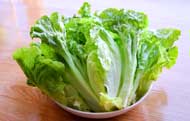
Lettuce (Lactuca sativa) is an annual plant of the family Asteraceae mostly grown as a leaf vegetable. The leaves are most often used raw in green salads.
History and Origin
Lettuce was first cultivated in ancient Egypt from about 4500 BCE, originating in the Middle East and Southwest Asia, initially for its oil-rich seeds and religious purposes, before spreading to Greece and Rome where it was bred for its leaves and named Lactuca.
Lactuca gave rise to the English "lettuce," and further varieties were developed in Europe during the 16th to 18th centuries, eventually reaching the Americas and becoming a globally popular salad vegetable.
- • Iceberg
- • Cos (also known as Romaine)
- • Buttercrunch
- • Oakleaf
- • Lollo Rossa
- • Salad Bowl
Popular lettuce varieties in Australia include Iceberg, Cos (Romaine), Butterhead, and various Loose leaf types, such as Oakleaf and Salad Bowl. Iceberg is the most commercially grown, while Cos is a very popular second choice, and Butterhead and Loose leaf varieties are common for their tender and decorative qualities.
Types of popular lettuce in Australia
- Iceberg: This is the most popular lettuce in Australia, known for its firm, compact head and crisp, light green leaves.
- Cos (Romaine): A popular choice with long, narrow, dark green, and crisp leaves. Mini cos varieties are also gaining popularity.
- Butterhead: This type includes varieties with soft, tender leaves and a loose inner heart. It comes in both green and red varieties.
- Oakleaf lettuce: A loose-leaf lettuce variety with tender, sweet, and mild-tasting leaves that are deeply lobed and resemble the shape of an oak leaf. It is a popular ingredient for salads, sandwiches, and wraps, and comes in both green and red varieties. It is also known for being relatively fast-growing and more resistant to heat and bolting than some other types of lettuce.
- Salad Bowl: A loose-leaf lettuce type, with both green and red varieties available. It's known for its fast-growing, oakleaf-style leaves that form a large rosette, making it suitable for "cut and come again" harvesting. The leaves are tender and sweet, and both varieties have good heat tolerance and are slow to bolt.
- Lollo Rossa: Italian heirloom loose-leaf lettuce with frilly, red-edged leaves and a slightly bitter, nutty flavour. It is known for its decorative appearance and can be harvested by cutting outer leaves or the whole plant as it grows back. This lettuce variety is relatively easy to grow and can be sown for harvests throughout the year in suitable climates.
Vegetables " Lettuce "
Nutritional value per 100 g
Lettuce, green leaf, raw
| Nutrient (Proximity) |
Unit
|
Value
|
Daily Value %
|
|
Energy
|
kcal
|
15 | 0.7% |
|
Protein
|
g
|
1.36 | 2.7% |
|
Total lipid (fat)
|
g
|
0.15 | 0.1% |
|
Carbohydrate, by difference
|
g
|
2.87 | 1% |
|
Fiber, total dietary
|
g
|
1.3 | 4.6% |
|
Sugars, total
|
g
|
0.78
|
|
|
Minerals
|
|||
|
Calcium, Ca
|
mg
|
36 | 2.7% |
|
Iron, Fe
|
mg
|
0.86 | 4.7% |
|
Magnesium, Mg
|
mg
|
13 | 3% |
|
Phosphorus, P
|
mg
|
29 | 2.3% |
|
Potassium, K
|
mg
|
194 | 4.1% |
|
Sodium, Na
|
mg
|
28 | 1.2% |
|
Zinc, Zn
|
mg
|
0.18 | 1.6% |
|
Copper, Cu
|
mg
|
0.029 | 3.2% |
|
Manganese, Mn
|
mg
|
0.250 | 10.8% |
|
Selenium, Se
|
mcg
|
0.6 | 1% |
|
Vitamins
|
|||
|
Vitamin C, total ascorbic acid
|
mg
|
9.2 | 10.2% |
|
Thiamin (B-1)
|
mg
|
0.070 | 5.8% |
|
Riboflavin (B-2)
|
mg
|
0.080 | 6.1% |
|
Niacin (B-3)
|
mg
|
0.375 | 2.3% |
|
Pantothenic acid (B-5)
|
mg
|
0.134 | 2.6% |
|
Vitamin B-6
|
mg
|
0.090 | 5.2% |
|
Folate, total (B-9)
|
mcg
|
38 | 9,5% |
|
Vitamin B-12
|
mcg
|
0.00
|
|
|
Vitamin A, RAE
|
mcg
|
370 | 41.1% |
|
Vitamin E (alpha-tocopherol)
|
mg
|
0.22 | 1.4% |
|
Vitamin D (D2 + D3)
|
mcg
|
0
|
|
|
Vitamin K (phylloquinone)
|
mcg
|
126.3 | 105.2% |
|
Lipids
|
|||
|
Saturated Fatty Acids
|
g
|
0.020
|
0.1% |
|
Monounsaturated Fatty Acids
|
g
|
0.006
|
|
|
Polyunsaturated Fatty Acids
|
g
|
0.082
|
|
|
Trans Fatty Acids
|
g
|
0.000
|
|
|
Carotenoids
|
|||
|
Beta-Carotene
|
mcg
|
4443
|
|
|
Alpha-Carotene
|
mcg
|
||
|
Beta-Cryptoxanthin
|
mcg
|
||
|
Lutein + zeaxanthin
|
mcg
|
1730
|
|

Reference Values are based on a 2,000 Calorie Intake, for Adults and Children 4 or More Years of Age. Your daily values may be higher or lower depending on your calorie needs.
Percentages are roughly approximated using (RDA) Recommended Dietary Allowances for adults. Source: USDA United States Department of Agriculture.
Reference Values for Nutrition - FDA U.S. Food and Drug Administration.
Lettuce Nutritional Value
Lettuce provides numerous health benefits due to its low-calorie, high-water, and nutrient-rich composition, including vitamins A, C, and K, as well as antioxidants. Key benefits include supporting weight management, promoting heart and bone health, aiding digestion, improving vision, and helping with hydration.
HEALTH BENEFITS OF LETTUCE
Lettuce is rich in water and essential nutrients, particularly vitamins A, K, and C, along with folate, potassium, and fiber. The darker the leaf, the higher the nutrient content, though even iceberg lettuce provides beneficial fiber and vitamins. It's naturally low in calories and sodium, making it a great choice for a healthy, hydrating, and filling food to support various bodily functions, including vision, blood clotting, and digestive health.SUPPORTS VISION
Lettuce supports vision because it contains beta-carotene, which the body converts into essential vitamin A. Vitamin A is crucial for the health of your eyes, including the photoreceptors (light-sensing cells) in the retina, which are responsible for converting light into signals the brain can understand. Without adequate vitamin A, these cells, along with other eye structures like the cornea, may not function properly, potentially leading to issues like dry eyes and impaired vision.ANTIOXIDANT PROTECTION
Lettuce protects against cell damage by providing powerful antioxidants, including beta-carotene (a form of Vitamin A), Vitamin C, folate, phenolic compounds, and anthocyanins. These compounds combat free radicals, which are harmful molecules that contribute to oxidative stress, inflammation, and chronic conditions like heart disease, diabetes, and certain cancers. Consuming lettuce can therefore reduce the risk of these diseases, combat premature aging, and support overall health.

HEART HEALTH
Lettuce promotes heart health by providing nitrates that convert to nitric oxide, relaxing and widening blood vessels to improve blood flow and lower blood pressure. It's also rich in antioxidants, such as Vitamin C, Vitamin A, and lutein, which fight inflammation, reduce bad cholesterol levels, and prevent artery plaque build-up. Additionally, the folate in lettuce helps convert homocysteine into a harmless substance, preventing it from causing heart problems.BONE HEALTH
Lettuce supports bone health primarily through its high Vitamin K content, which is essential for calcium absorption, bone formation, and preventing fractures and osteoporosis. It also contains Vitamin A, important for bone cell growth, and other nutrients like phosphorus and Vitamin C that contribute to maintaining strong and healthy bones. Deeper coloured lettuce varieties, such as romaine and red leaf, generally offer higher nutrient content, making them beneficial choices for bone health.DIGESTIVE HEALTH
The Lettuce promotes digestive health by providing dietary fiber, which supports regular bowel movements and prevents constipation. Its high-water content also aids in hydration, which is essential for a healthy digestive system. Fiber and water contribute to the bulk in the intestines, making it easier for waste to pass through. Furthermore, antioxidants and other beneficial plant compounds in lettuce can also help support overall gut well-being.
References
Nutrient Database - USDA (United States Department of Agriculture)
Reference Values for Nutrition - FDA U.S. Food and Drug Administration
Health Benefits of Lettuce - Lettuce is rich in water and essential nutrients, particularly vitamins A, K, and C, along with folate, potassium, and fiber. The darker the leaf, the higher the nutrient content, though even iceberg lettuce provides beneficial fiber and vitamins. It's naturally low in calories and sodium, making it a great choice for a healthy, hydrating, and filling food to support various bodily functions, including vision, blood clotting, and digestive health.
Digestive Health - The Lettuce promotes digestive health by providing dietary fiber, which supports regular bowel movements and prevents constipation. Its high-water content also aids in hydration, which is essential for a healthy digestive system. Fiber and water contribute to the bulk in the intestines, making it easier for waste to pass through. Furthermore, antioxidants and other beneficial plant compounds in lettuce can also help support overall gut well-being.
Antioxidant Protection - Lettuce protects against cell damage by providing powerful antioxidants, including beta-carotene (a form of Vitamin A), Vitamin C, folate, phenolic compounds, and anthocyanins. These compounds combat free radicals, which are harmful molecules that contribute to oxidative stress, inflammation, and chronic conditions like heart disease, diabetes, and certain cancers. Consuming lettuce can therefore reduce the risk of these diseases, combat premature aging, and support overall health.
Bone Health - Lettuce supports bone health primarily through its high Vitamin K content, which is essential for calcium absorption, bone formation, and preventing fractures and osteoporosis. It also contains Vitamin A, important for bone cell growth, and other nutrients like phosphorus and Vitamin C that contribute to maintaining strong and healthy bones. Deeper coloured lettuce varieties, such as romaine and red leaf, generally offer higher nutrient content, making them beneficial choices for bone health.
Heart Health - Lettuce promotes heart health by providing nitrates that convert to nitric oxide, relaxing and widening blood vessels to improve blood flow and lower blood pressure. It's also rich in antioxidants, such as Vitamin C, Vitamin A, and lutein, which fight inflammation, reduce bad cholesterol levels, and prevent artery plaque build-up. Additionally, the folate in lettuce helps convert homocysteine into a harmless substance, preventing it from causing heart problems.
Supports Vision - Lettuce supports vision because it contains beta-carotene, which the body converts into essential vitamin A. Vitamin A is crucial for the health of your eyes, including the photoreceptors (light-sensing cells) in the retina, which are responsible for converting light into signals the brain can understand. Without adequate vitamin A, these cells, along with other eye structures like the cornea, may not function properly, potentially leading to issues like dry eyes and impaired vision.